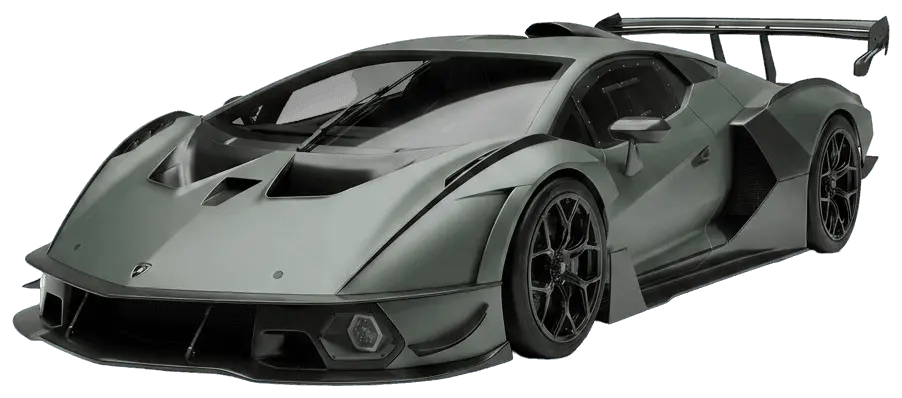
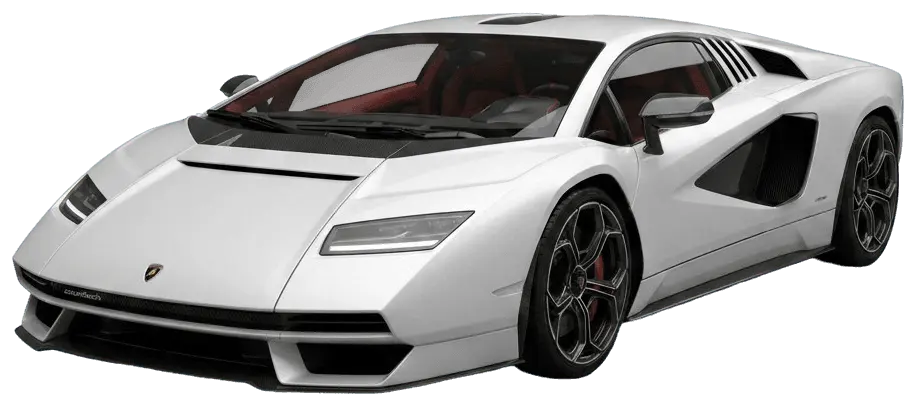
Package the car around the engine
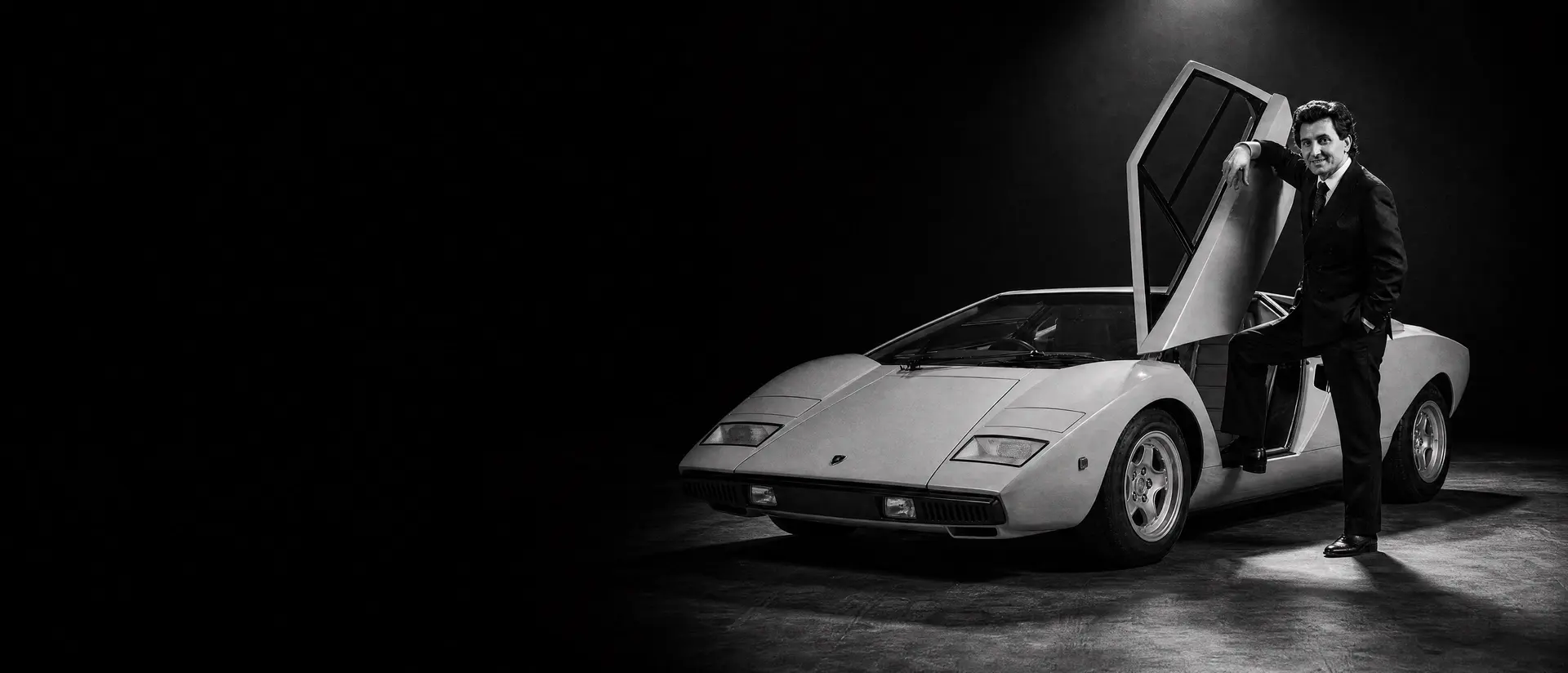
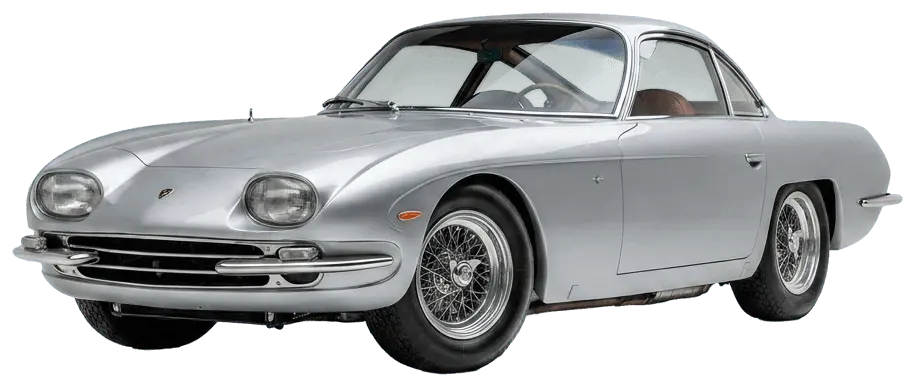
From the 350 GT's front-mounted V12 to the Miura's transverse mid-engine and the Countach's longitudinal layout, major changes begin with architecture.
Sant'Agata, Italy · est. 1963
Lamborghini's V12 continuity has depended on repeated changes of architecture.
Curated entry points
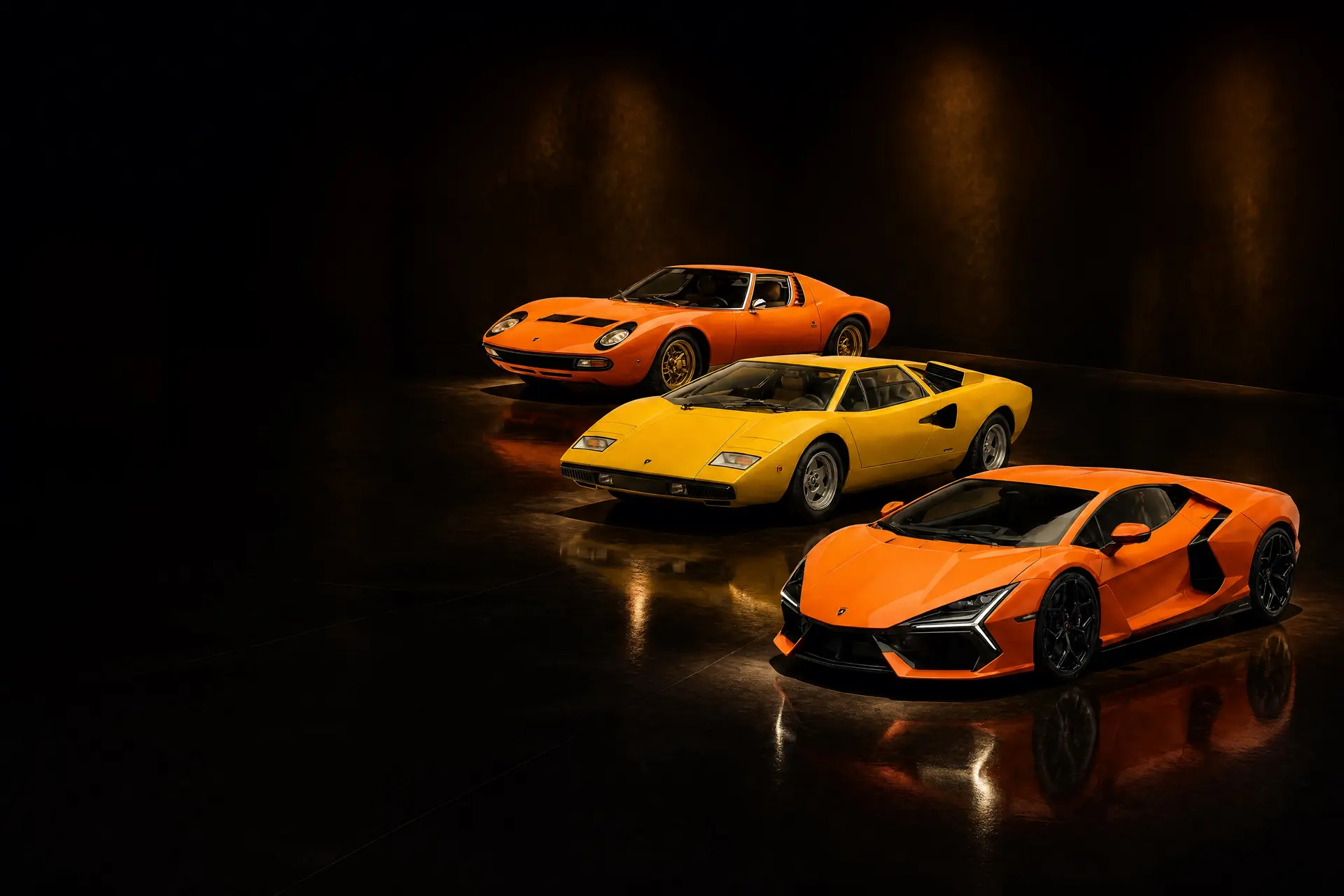
Three cars that explain the manufacturer: its origins, its engineering peak and the shape of its modern ambition.
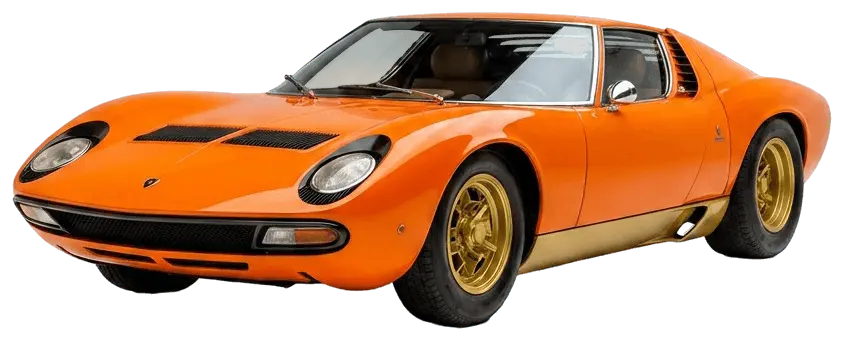 1966–1973
The first mid-engined supercar; the SVJ is the crown jewel.
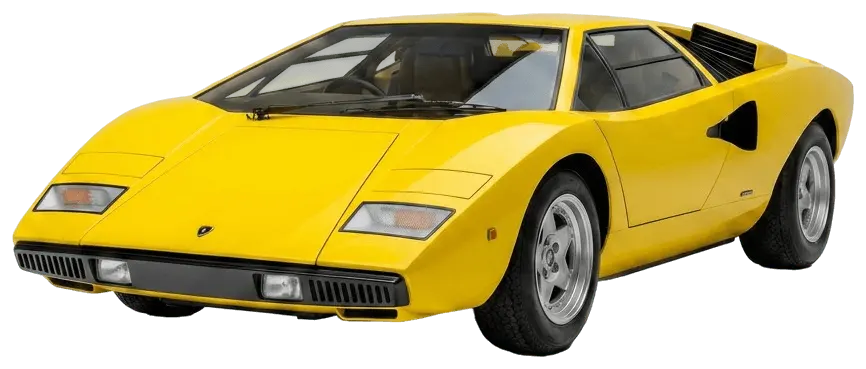 1974–1990
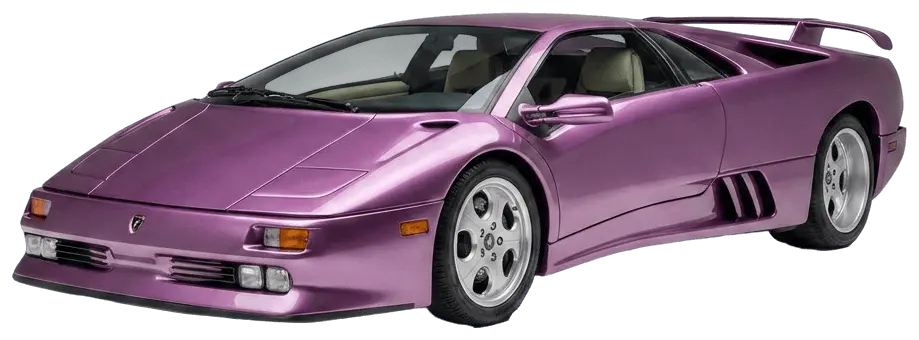
The poster wedge; the early periscopio LP400 leads the values.
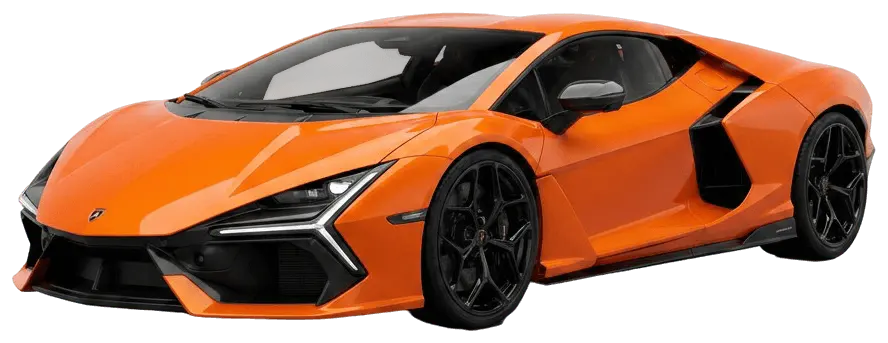 2023–
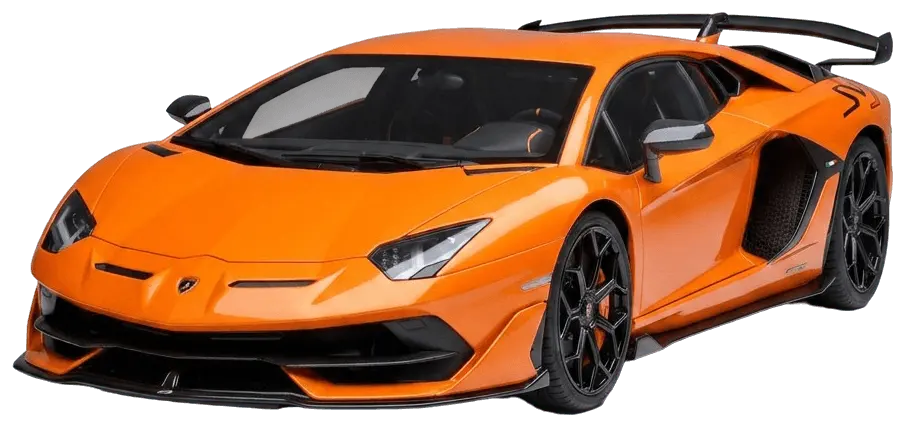
2023–The first V12 hybrid — 1,015 hp, the flagship reborn.
Complete catalogue
14 models · 3 families
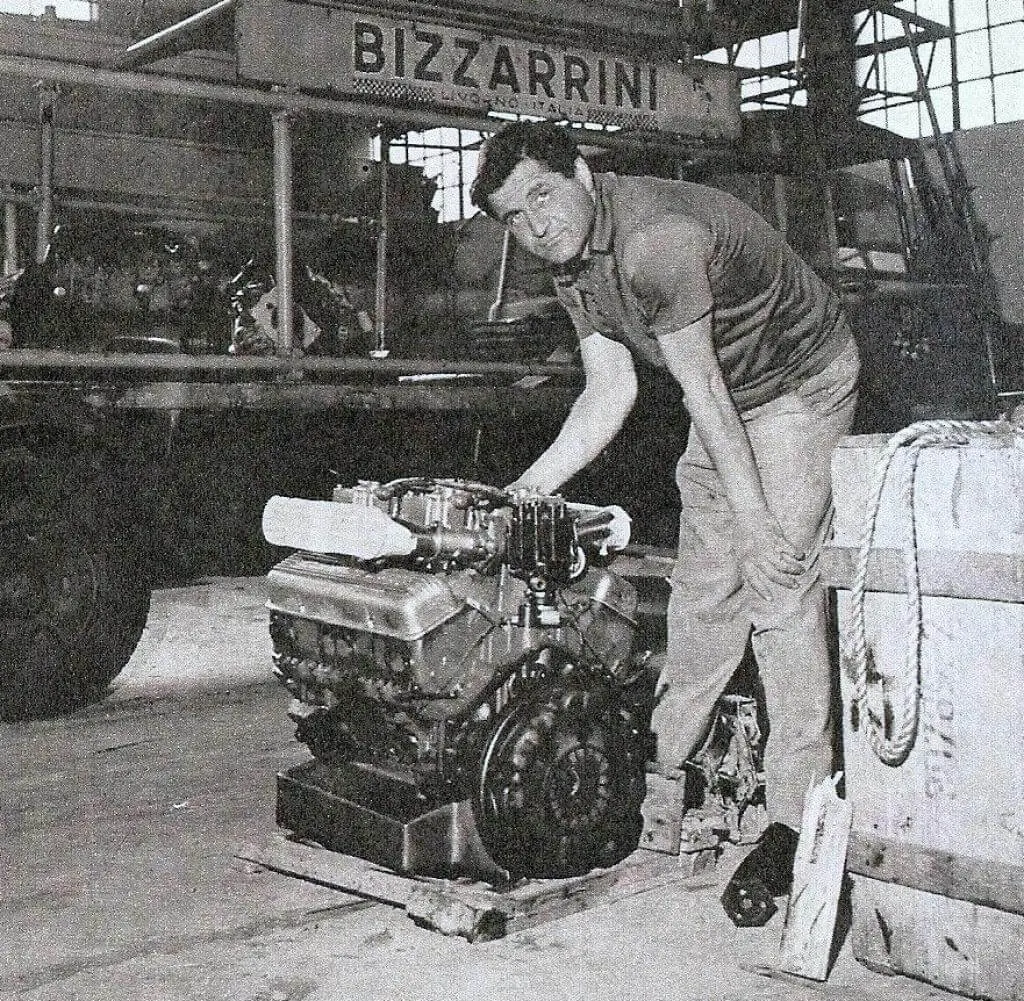
The Bizzarrini V12 line that started it all — from the front-engined GTs Ferruccio commissioned to the mid-engined Miura and the wedge that defined a generation. Sant'Agata's blue-chip core.
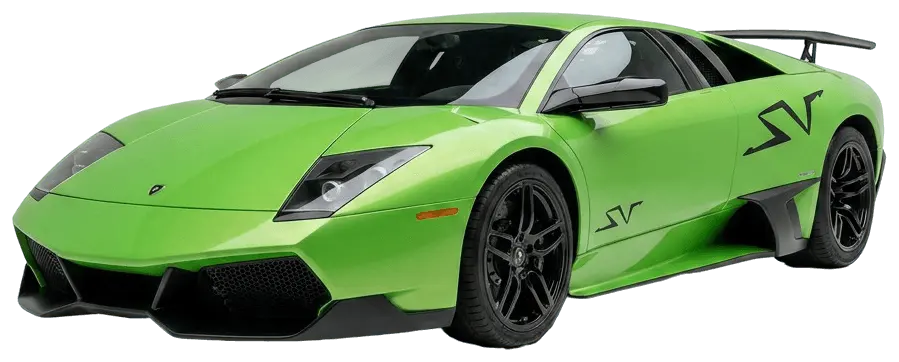
The mid-V12 flagships built under Audi ownership — better made, far faster, and increasingly collectible. The hard-edged SV and SVJ editions are the ones that hold their money.
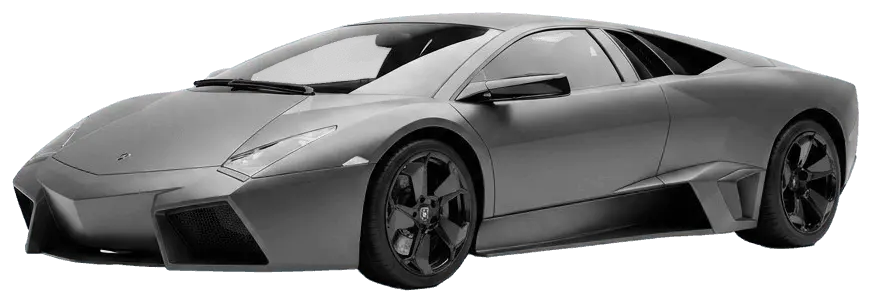
Single- and double-digit production runs at megacar prices — design statements built to celebrate anniversaries and push the V12 to its limit. The rarest, most valuable things the factory makes.
The house
Ferruccio Lamborghini built tractors, then built a grand tourer to spite Enzo Ferrari. Within three years his engineers had answered with the Miura — the car that put the engine behind the seats and rewrote what a supercar was.
For decades the values trailed Maranello, and that is exactly where the opportunity sat. The founding V12s — Miura, Countach, Diablo — have since gone blue-chip, with the rarest SV and SVJ cars now firmly into seven figures.
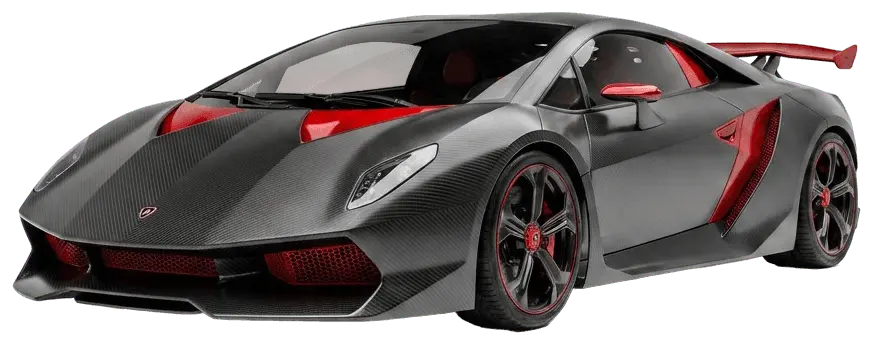
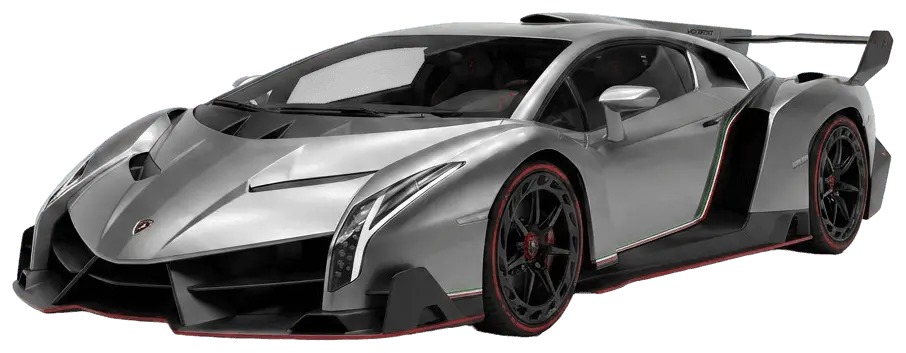
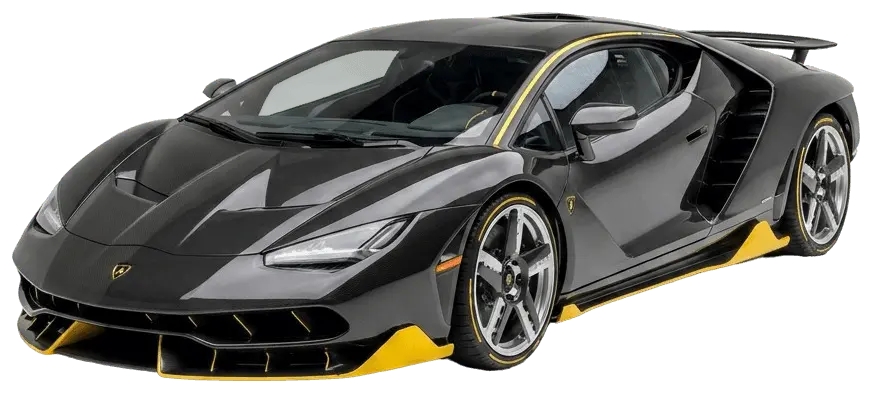
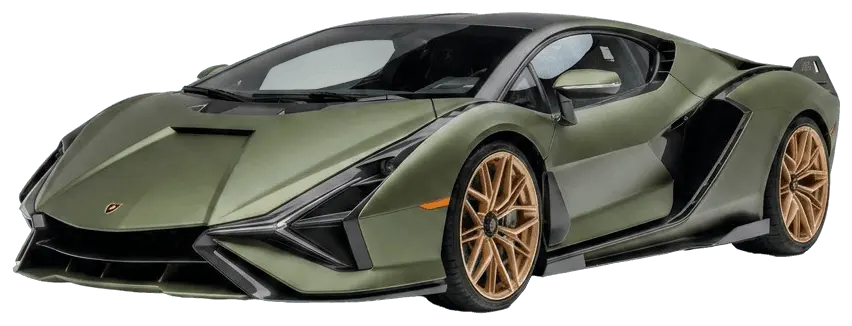
At the top sit the limited halo cars: Veneno, Centenario, Sián. Built in single- and double-digit runs at prices to match, they trade like art and almost never come up for public sale.
Selected milestones
1963
The company is formed
Automobili Lamborghini is established in Sant'Agata Bolognese, and the 350 GTV prototype is shown at Turin that October.
1966
The V12 moves behind the cabin
The Miura makes its Geneva debut with its V12 mounted transversely between the occupants and rear axle.
1974
Countach production begins
Series production of the LP400 begins at Sant'Agata and brings body-panel and interior manufacture in-house.
1998
Audi acquires Lamborghini
Audi ownership supplies the industrial resources and quality systems behind the subsequent Murcielago-era expansion.
2011
A new V12 and carbon monocoque
Aventador introduces a newly developed 6.5-litre V12 and a carbon-fibre monocoque made in Sant'Agata.
2023
The V12 becomes a plug-in hybrid
Revuelto combines a new naturally aspirated V12 with three electric motors, beginning Lamborghini's hybrid flagship generation.
What defines Lamborghini
From the 350 GT's front-mounted V12 to the Miura's transverse mid-engine and the Countach's longitudinal layout, major changes begin with architecture.
S, SV, Quattrovalvole, VT and SVJ specifications mark changes in engine, chassis, driveline or body rather than equipment alone.
Carbon-fibre work progressed from experimental components to the Aventador monocoque and Revuelto monofuselage, both produced in Sant'Agata.
The hands
3 names in the register stand behind this manufacturer. Each has a file of their own, following the work wherever it went.
The mark
Cento, 1952: before any car there was a tractor works, and its mark was a triangle carrying three letters — F, L, C, for Ferruccio Lamborghini and his home town. The bull came from a trip: in 1962 Ferruccio visited Don Eduardo Miura’s fighting-bull ranch near Seville, and the Taurus-born industrialist had found his emblem.
The badge he put on his cars in 1963 read as a straight answer to Maranello: a shield like Ferrari’s, an animal like Ferrari’s — but a charging bull, gold on black. The bulls kept coming: the first great Lamborghini was named Miura, after the man who bred them.
1953–1963
The tractor works’ triangle — F, L, C: Ferruccio Lamborghini, Cento. No bull yet.

1963–1972
The bull arrives — Ferruccio’s Taurus, aimed straight at Maranello.
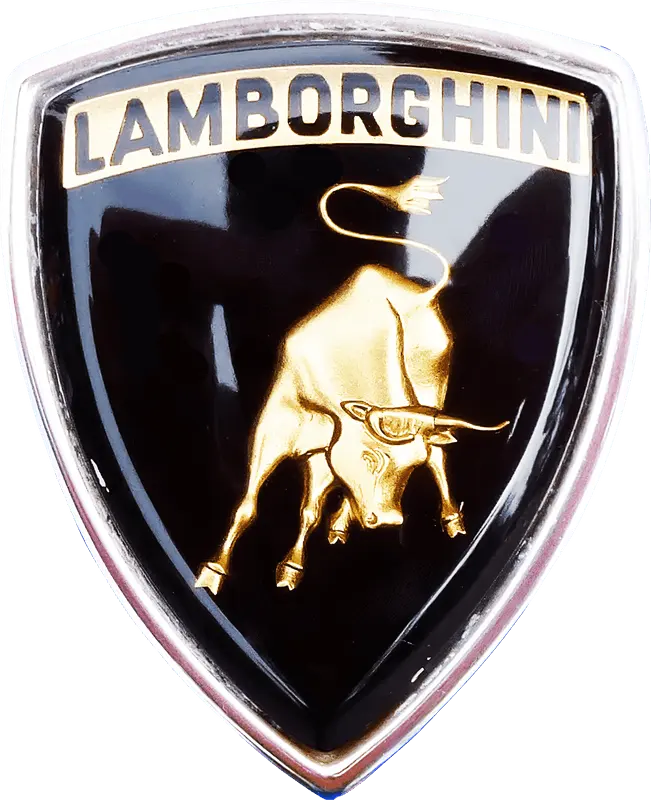
1972–1974
The badge as the cars wear it: gold bull, black enamel, chrome frame.
1974–1998
The lean decades run on heavy italic type under a line-drawn shield.

1998–2024
Audi arrives — the shield redrawn tighter, the gold warmer.

2024–
The first redraw in a quarter-century: flattened for screens, the bull kept.