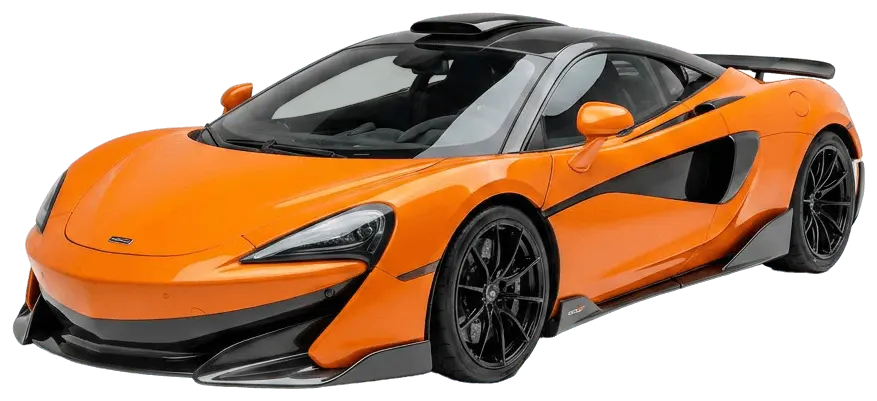
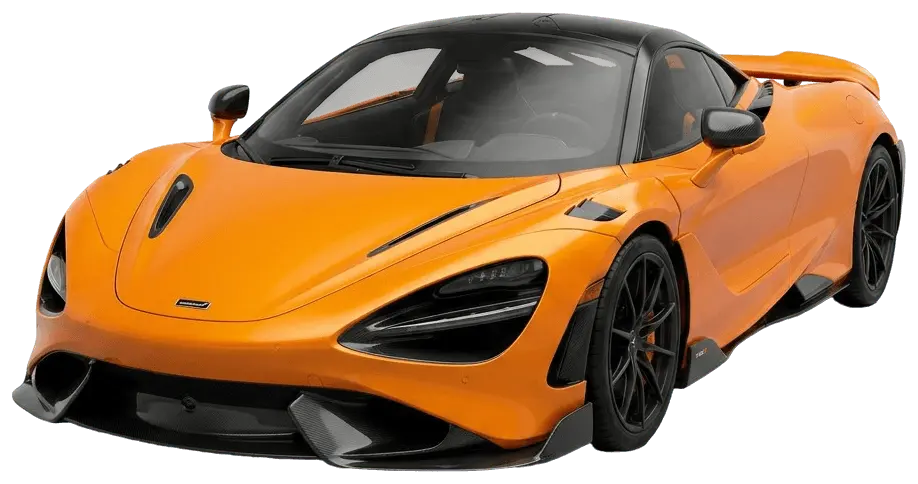
Carbon structure on every series car
Since the 12C, MonoCell and its derivatives have formed the basis of every series-production McLaren road car.
Woking, England · est. 1985
The carbon tub is the constant; the F1 sets the hierarchy.
Curated entry points
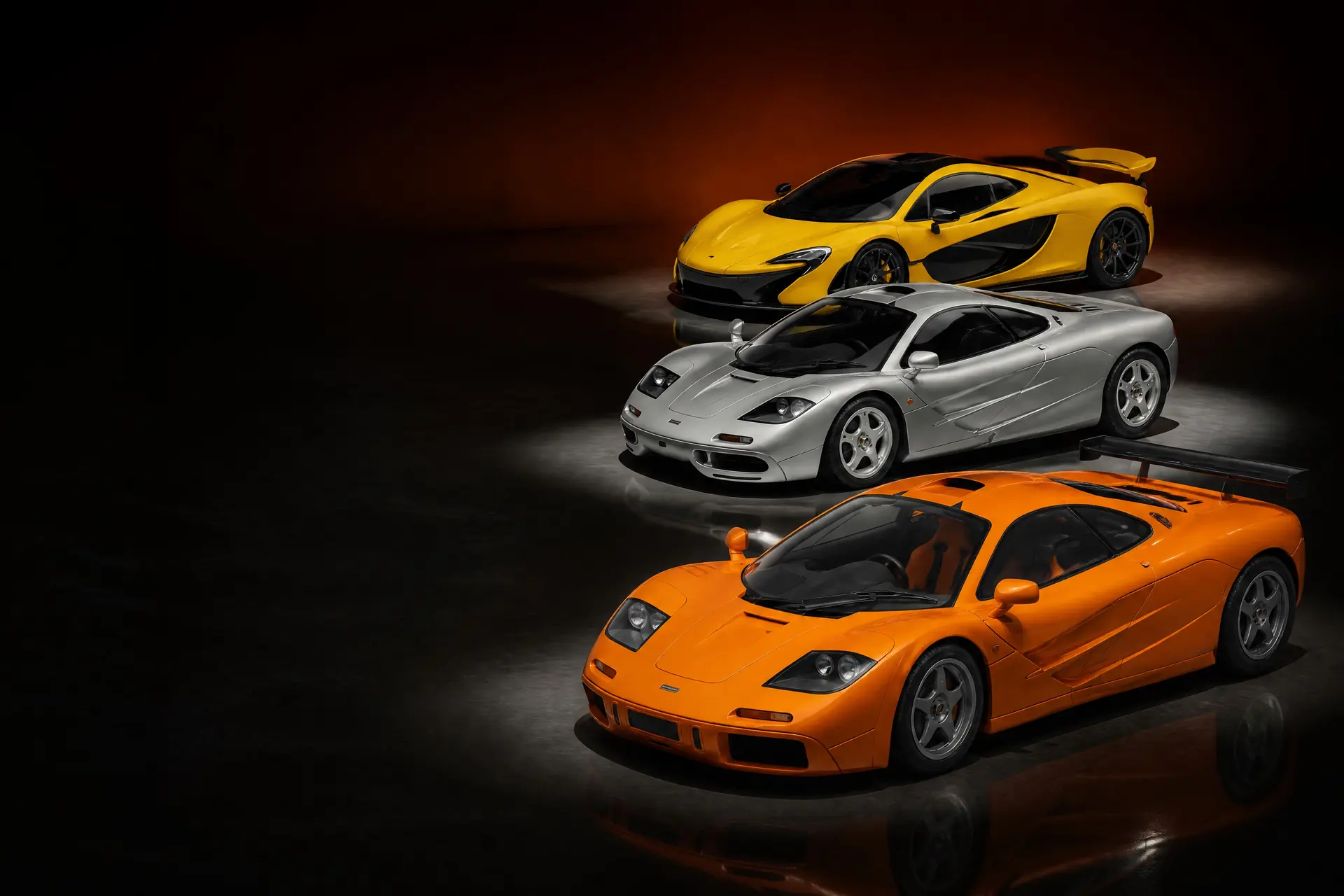
Three cars that explain the manufacturer: its origins, its engineering peak and the shape of its modern ambition.
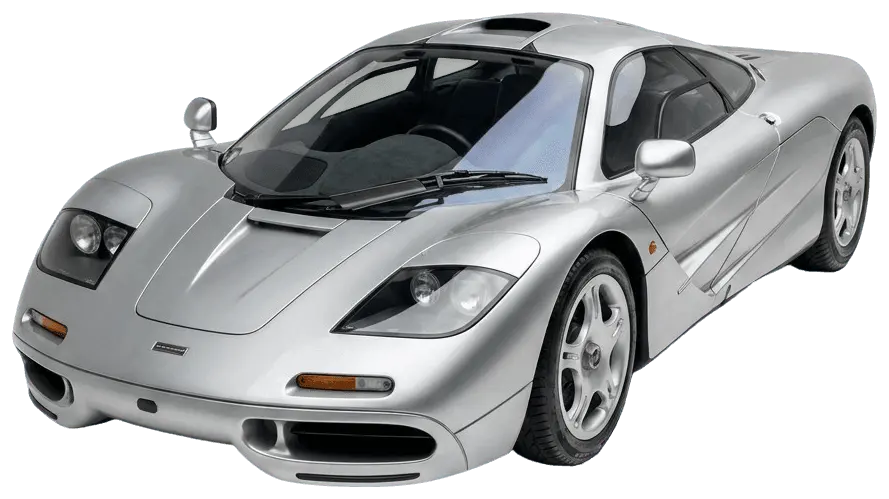 1992–1998
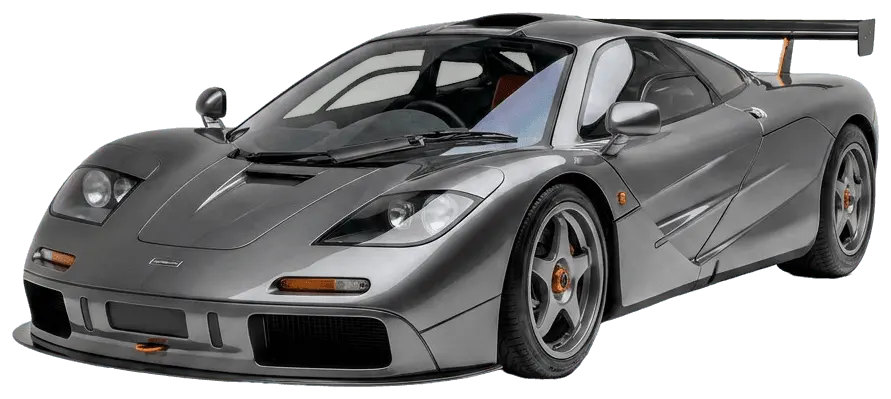
Carbon tub, central seat, BMW V12 — the benchmark.
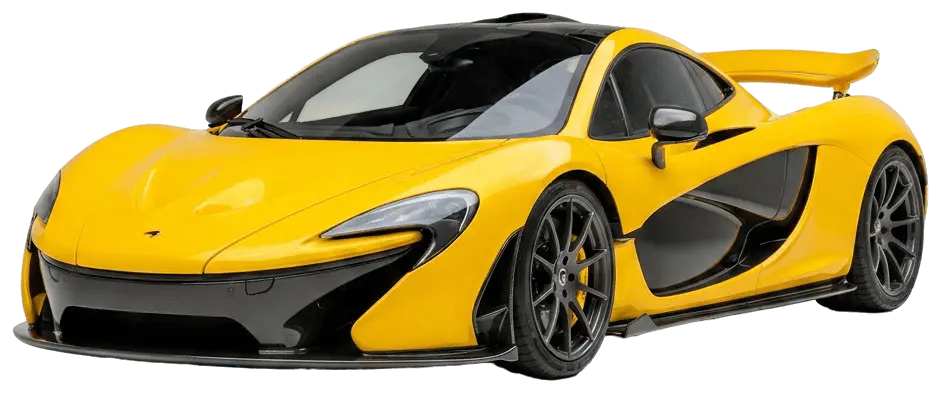 2013–2015
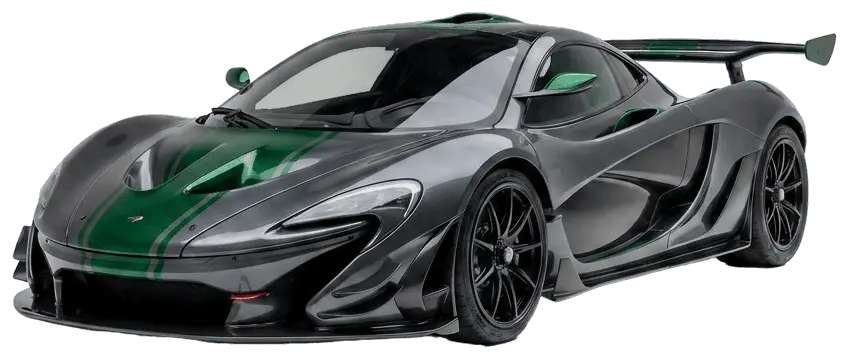
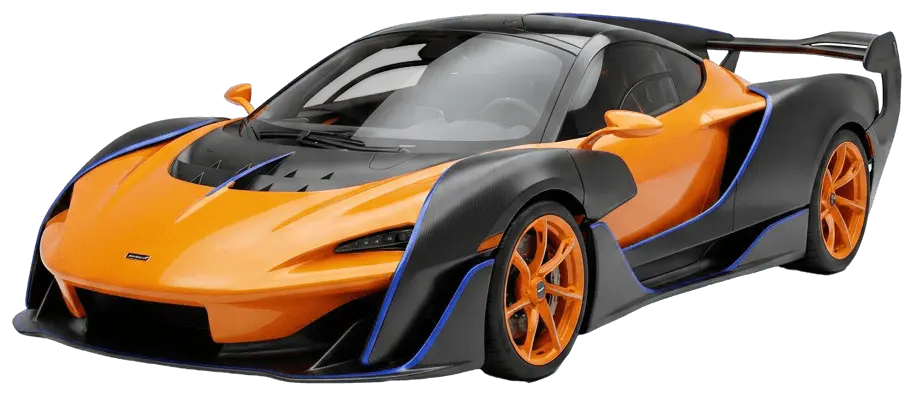
The hybrid halo — 916 hp, 375 built, carbon everywhere.
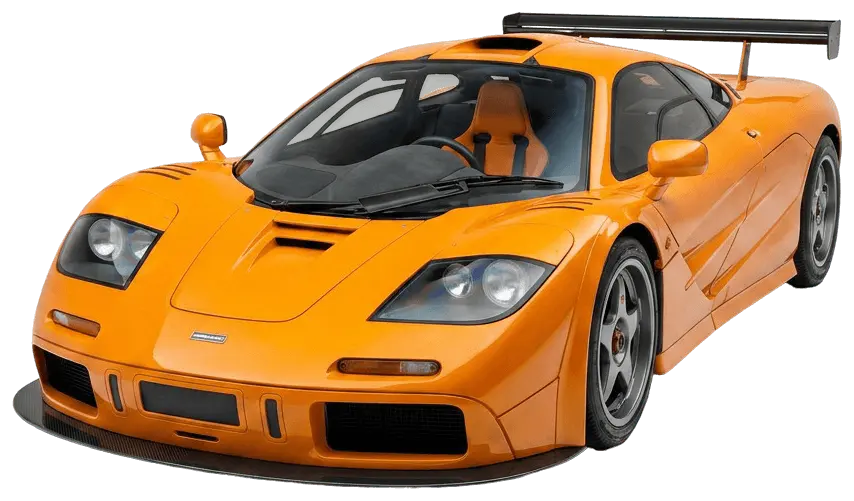 1995–1996
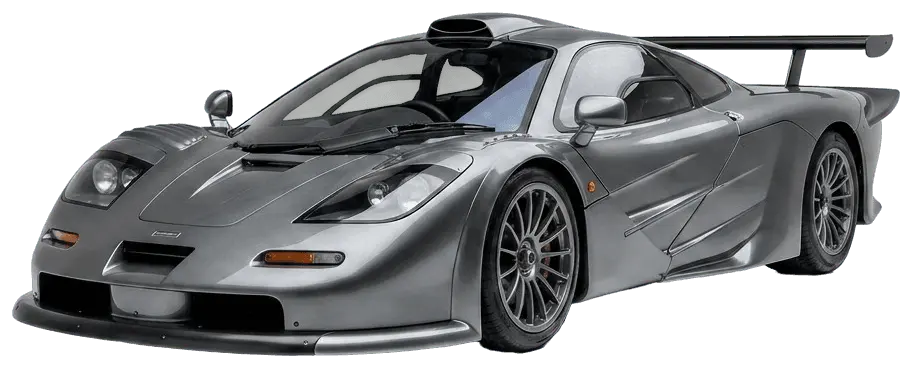
Five road cars built to celebrate the Le Mans win.
Complete catalogue
16 models · 4 families
The car that defined McLaren. A carbon-tub, central-seat, BMW-V12 road car that held the production speed record for years — and every racing version it spawned.
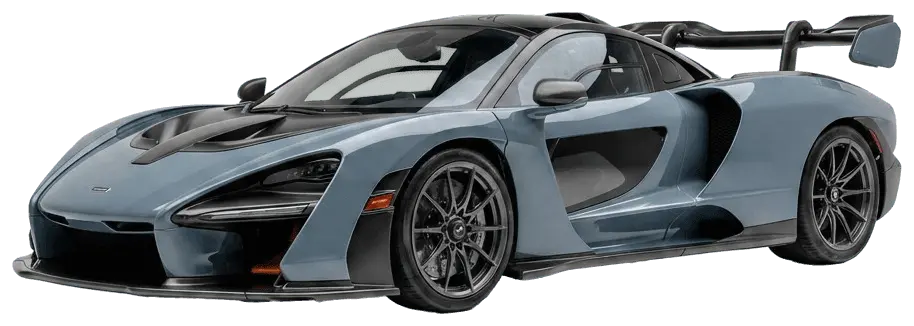
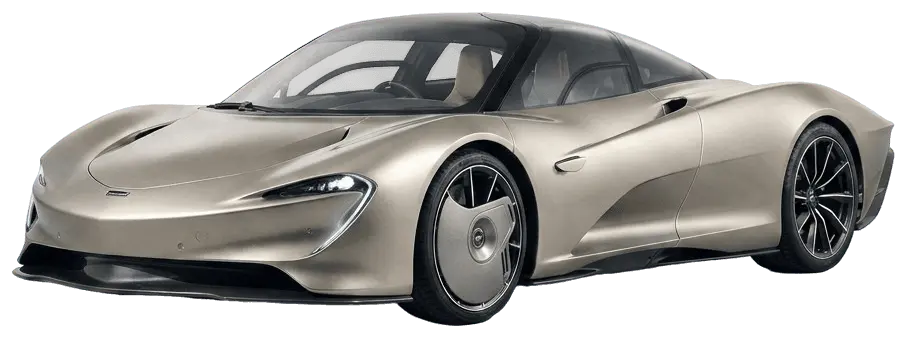
Woking’s flagship line — small-series technology showcases, from the hybrid P1 to the track-only Solus GT. Each one a deliberate, numbered statement of what McLaren can do.
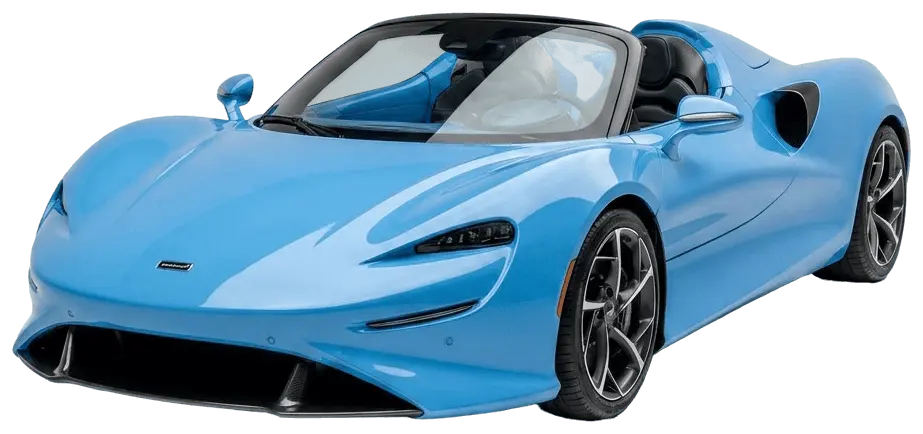
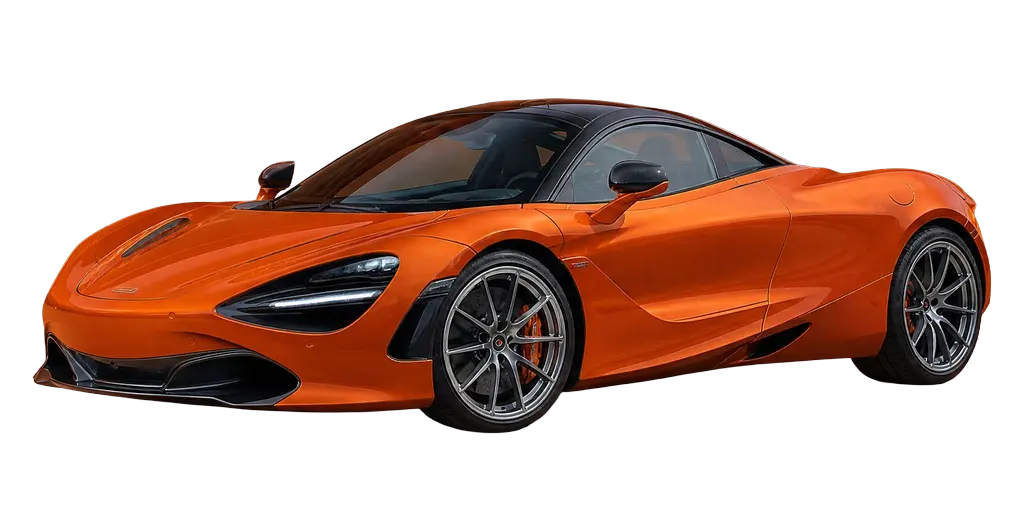
Woking's volume line — the family the LTs and specials grow from. The 720S rebuilt it around the Monocage II upper cage and a four-litre V8 that beat its own numbers.
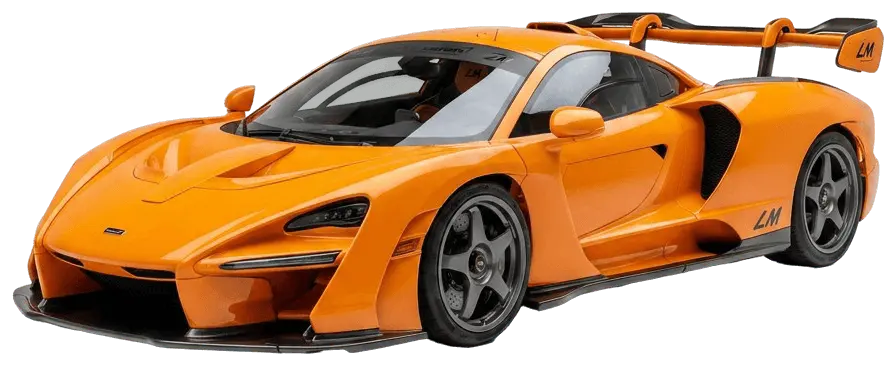
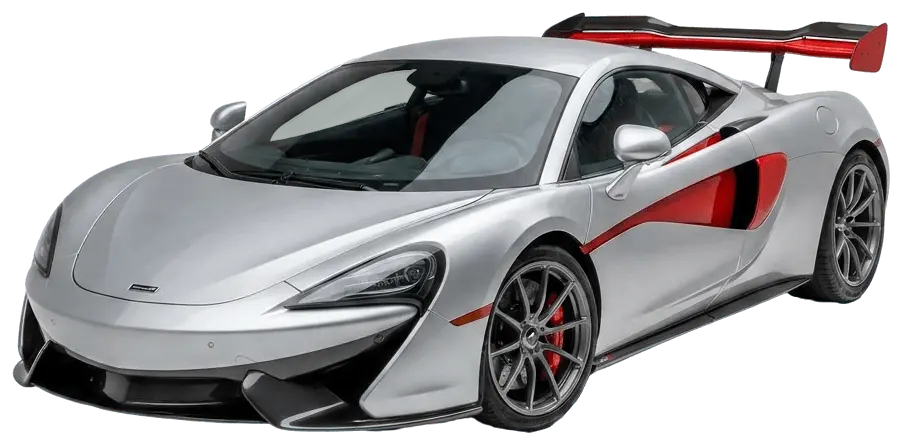
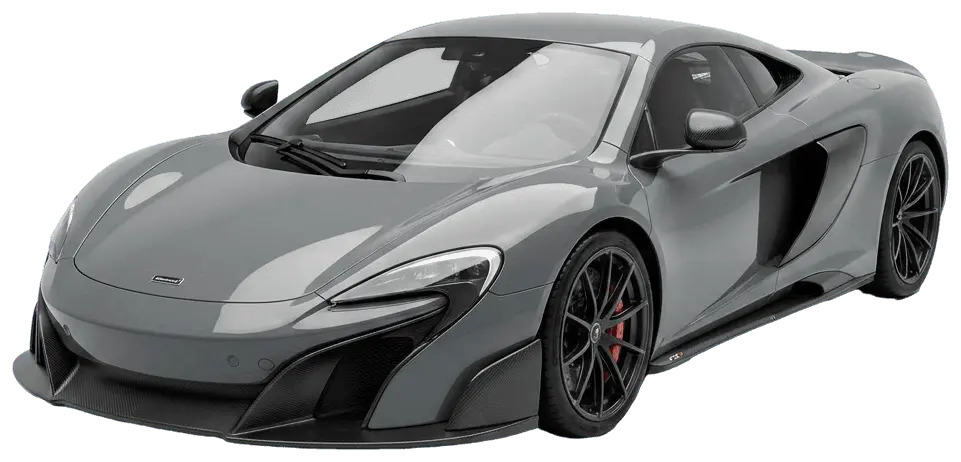
Lighter, sharper, more focused versions of the core cars — the LT badge revives the F1 GTR “Longtail” name for limited, track-leaning specials sold in Coupé and Spider form.
The house
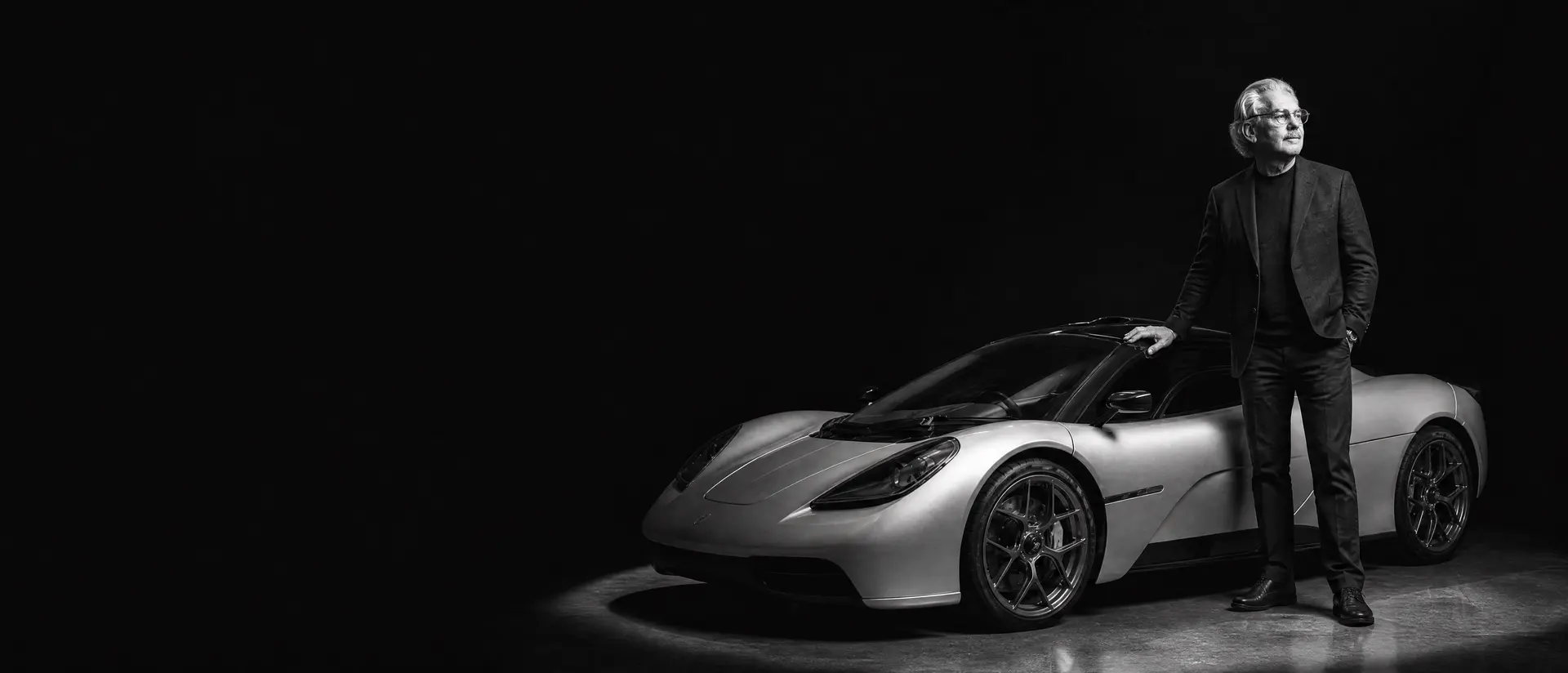
McLaren Cars began as a Formula 1 team’s road-car side project, and it shows in the engineering. Gordon Murray’s 1992 F1 set the template: a carbon-fibre monocoque, a central driving seat and a naturally aspirated BMW V12, with nothing added for comfort that hurt the lap time.
For a decade the F1 stood alone as the fastest road car in the world. When Woking returned to series production with MP4-12C in 2011, it carried the same idea forward — a carbon tub under every car, from the volume models up to the hybrid P1.
That lineage is what the market chases. An F1 sets the ceiling; the Ultimate Series halo cars and the limited Longtail specials trade on the same carbon-tub bloodline and the same single-minded focus on speed.
Selected milestones
1985
The road-car company is incorporated
The company now trading as McLaren Automotive is incorporated as TAG McLaren Research & Development.
1992
The F1 is unveiled
McLaren's first series road car combines a central driving position, a BMW Motorsport V12 and the first carbon-fibre monocoque used for a production road car.
1995
A road-derived car wins Le Mans
On McLaren's first entry at the 24 Hours, the F1 GTR wins overall and four examples finish in the top five.
2011
MonoCell makes carbon repeatable
The 12C returns McLaren to series road-car production with a one-piece carbon tub made at regular production cadence.
2013
P1 integrates hybrid performance
The P1 combines a twin-turbo V8 with electric assistance and active aerodynamics in a road-car run capped at 375.
2015
Longtail becomes a road-car line
The 675LT transfers the weight, aerodynamic and chassis changes of the 1997 Longtail programme to a series road car.
What defines McLaren
Since the 12C, MonoCell and its derivatives have formed the basis of every series-production McLaren road car.
LT programmes change materials, glazing, seats, exhausts and suspension before treating added output as the answer.
GTR and LT versions alter aerodynamics, cooling, chassis calibration and use case; the badges denote changed engineering, not equipment packs.
The hands
One name in the register stands behind this manufacturer. Their own file follows the work wherever it went.
The mark
1964: motorsport artist Michael Turner draws a shield for his friend Bruce McLaren’s young racing team — a kiwi, for New Zealand. In 1971 Doug Eyre flattens the bird into the speedy kiwi: head down, feet trailing, a silhouette drawn for velocity in the team’s new papaya orange.
1981 replaced the bird entirely: Raymond Loewy’s chevrons — a sponsor’s gift, the chequered flag abstracted — for the new McLaren International. The 1997 speedmark that survives today carries no public credit; the company likens it to the vortices off a rear wing. The bird is gone. The speed stayed.
Michael Turner, 1964 · Doug Eyre, 1971 · Raymond Loewy, 1981 — the 1997 speedmark is uncredited
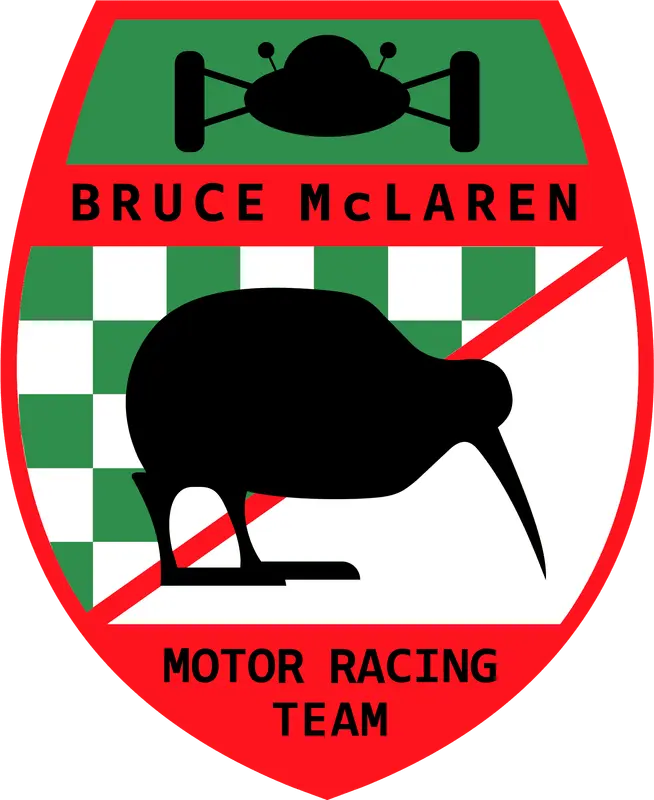
1964–1970
Turner’s shield for his friend Bruce: a kiwi for New Zealand.

1971–1980
Eyre’s speedy kiwi — head down, drawn for velocity.

1981–1990
Loewy’s chevrons: a sponsor’s gift, the chequered flag abstracted.

1997–2003
The speedmark arrives — vortices off a rear wing, author unrecorded.
2012–
Monochrome since 2012 — the speedmark alone carries it. Shown in today’s cut.