Development over reinvention
Porsche evolves established layouts and model families across generations instead of replacing their central idea.
Stuttgart, Germany · est. 1931
A continuous idea, developed in public.
Curated entry points
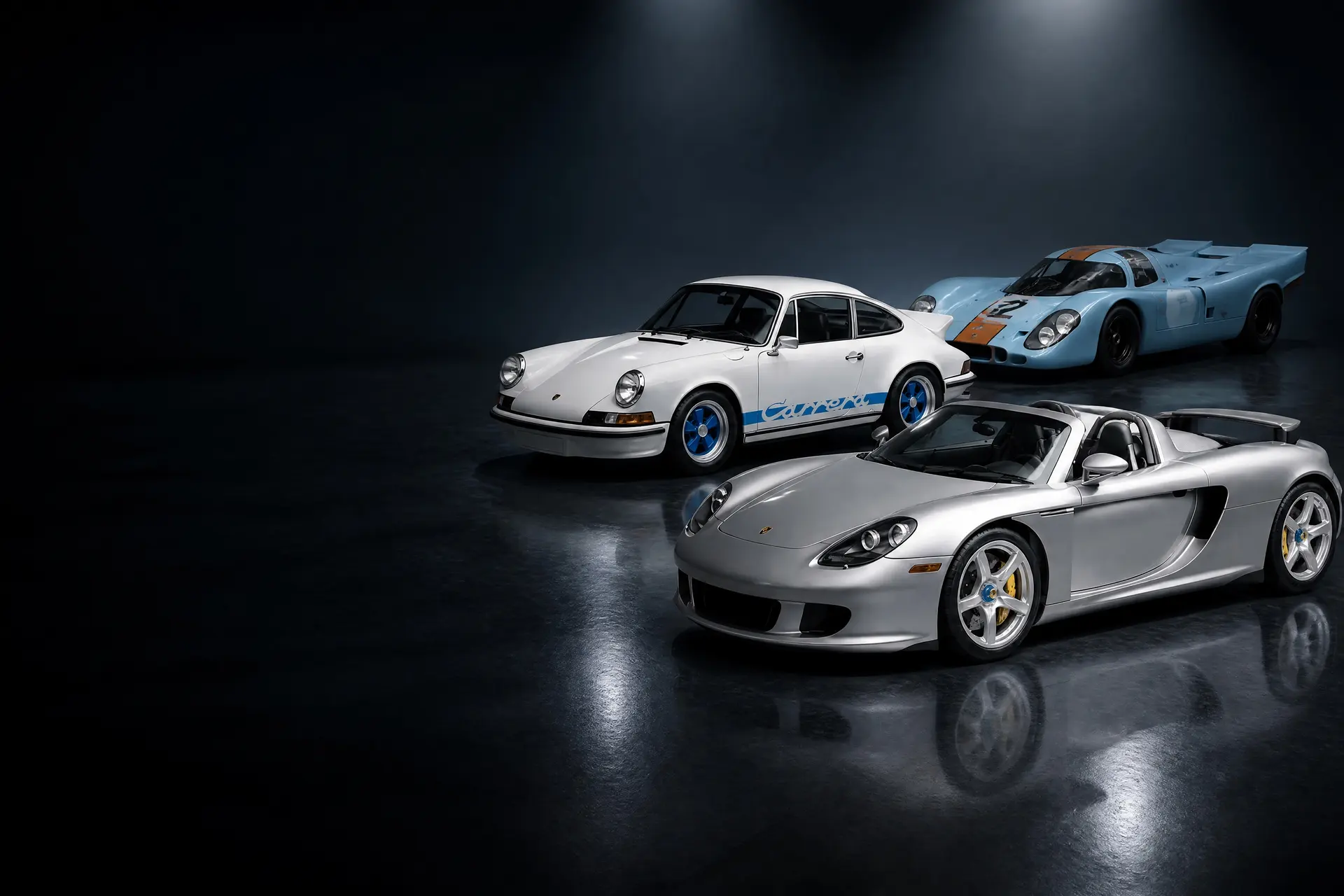
Three cars that explain the manufacturer: its origins, its engineering peak and the shape of its modern ambition.
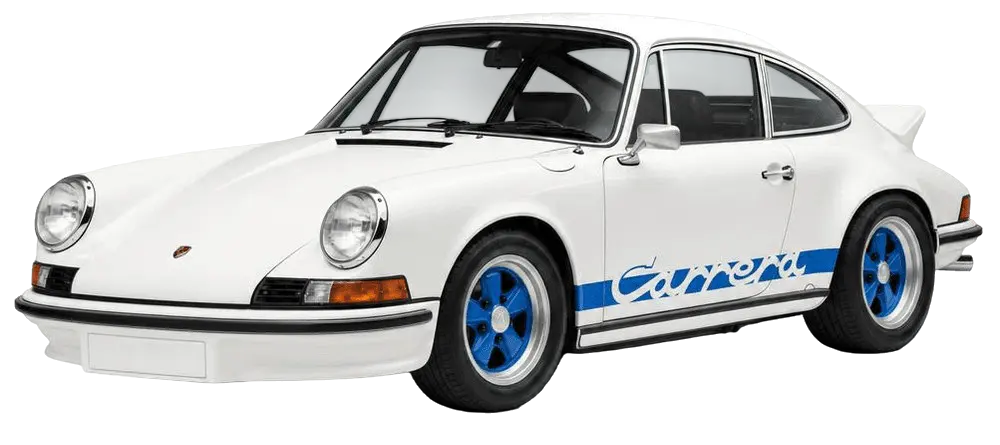 1972–1973
The ducktail original — the most coveted air-cooled 911 of all.
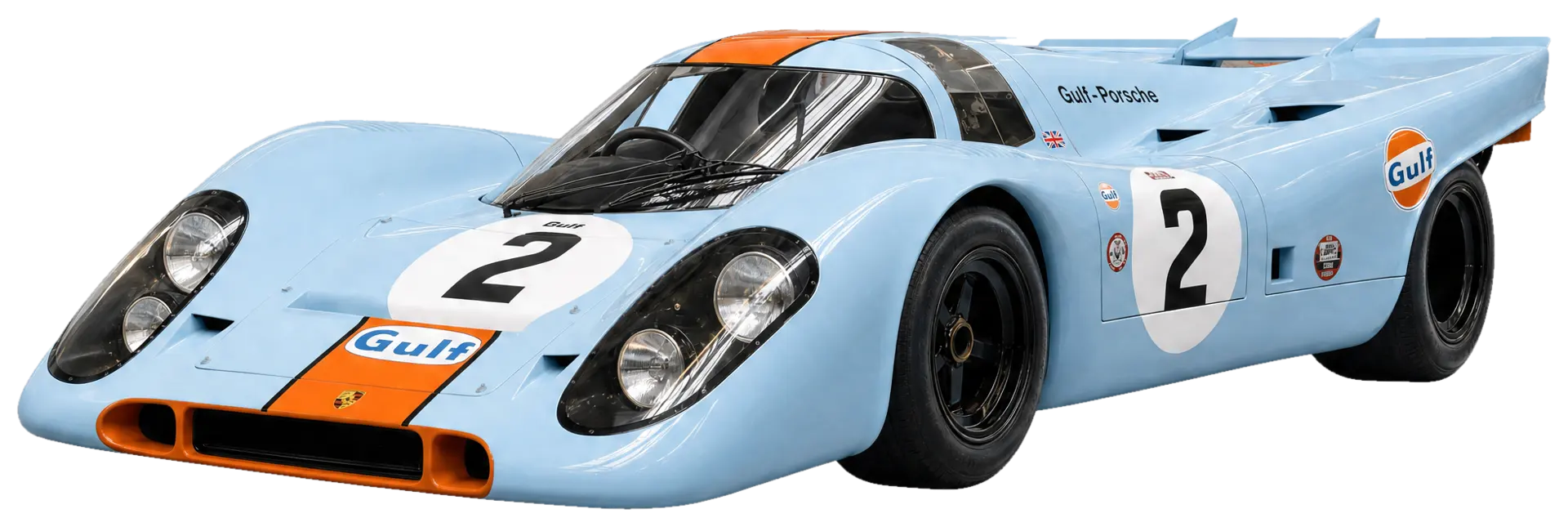 1969–1971
Porsche’s first outright Le Mans winner — the holy grail.
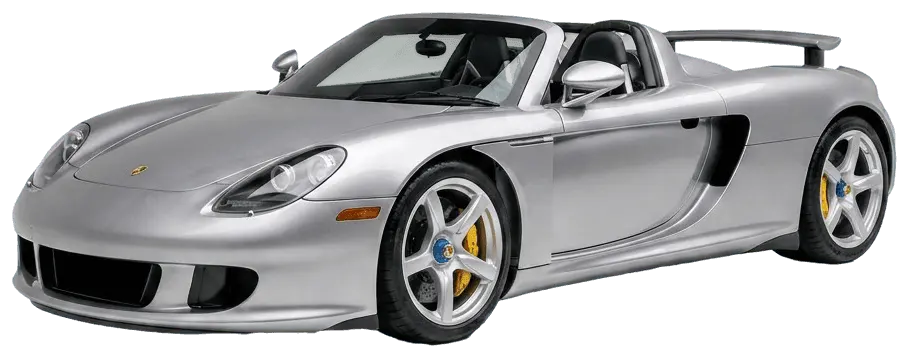 2003–2006
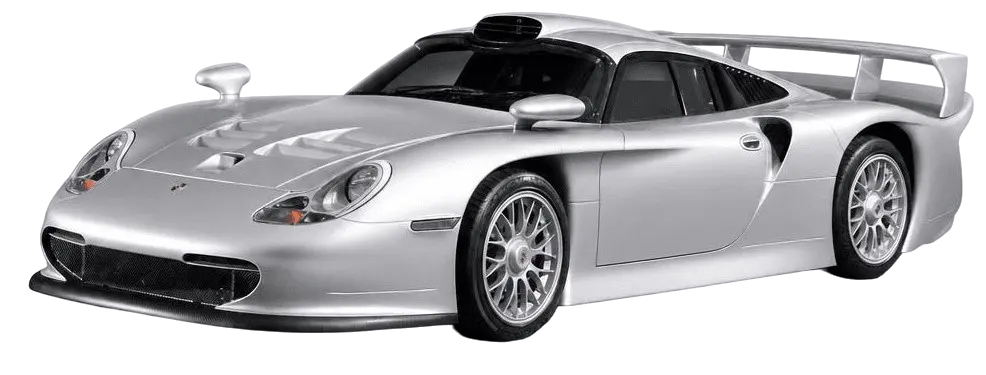
A naturally-aspirated racing V10 and a carbon tub — no driver aids.
Complete catalogue
24 models · 4 families
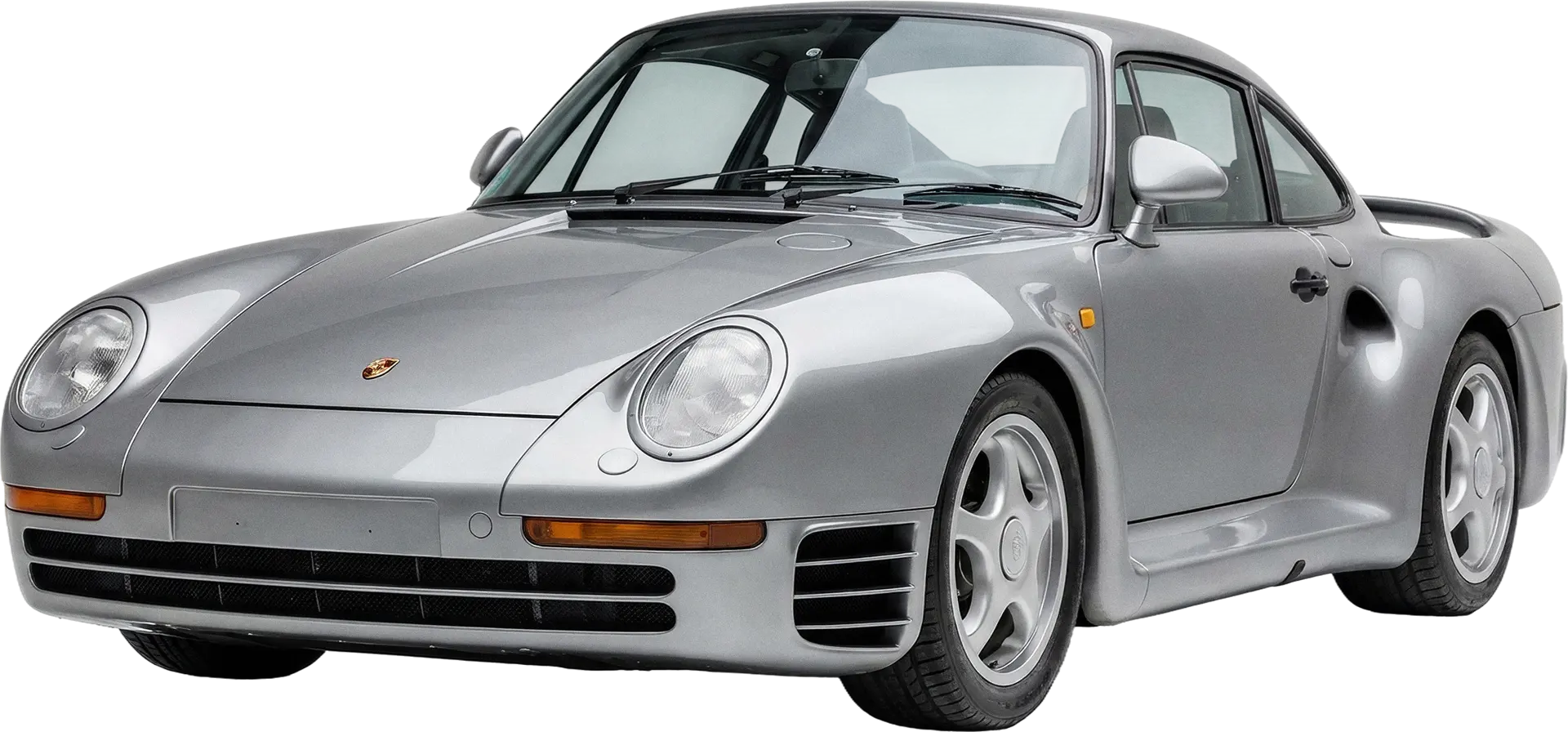
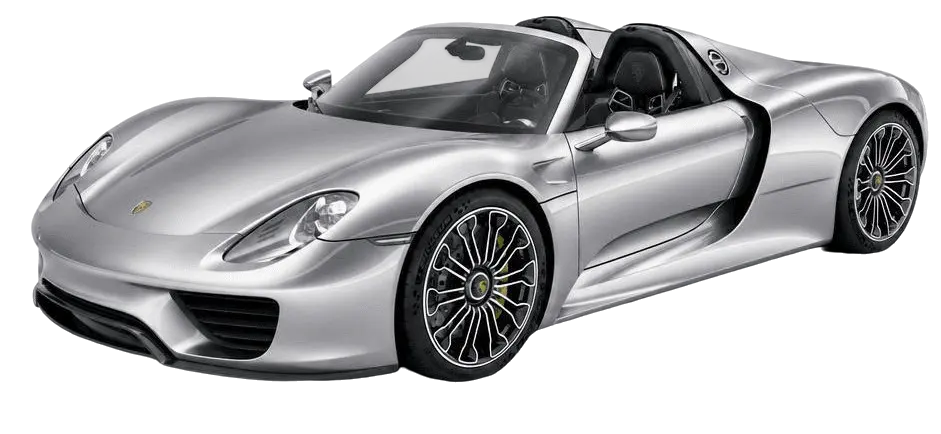
The cars built to prove a point — each the fastest, most advanced Porsche of its day, made in small numbers and never repeated. The line from the 959 to the 918.
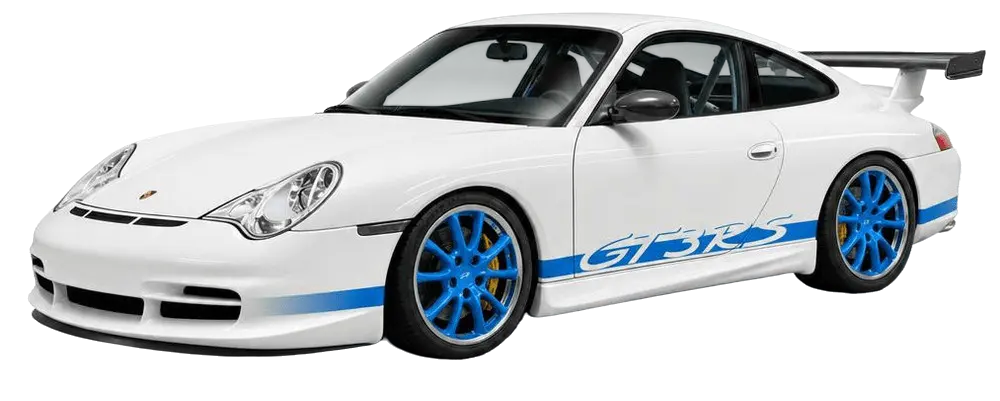
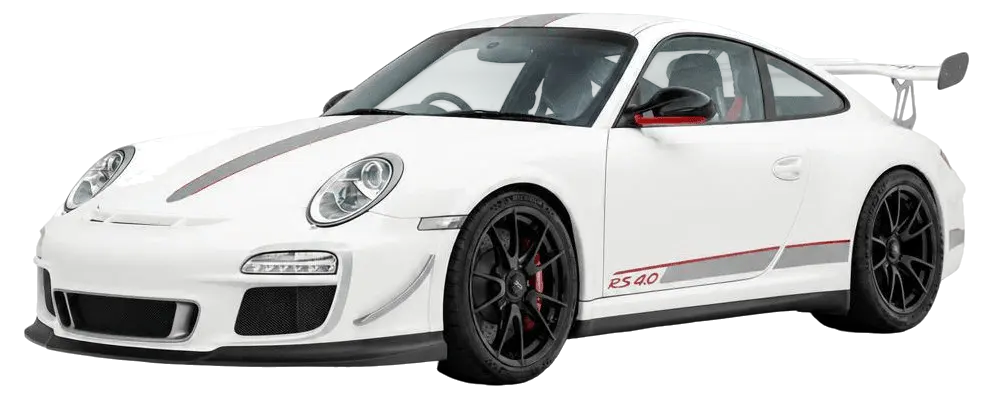
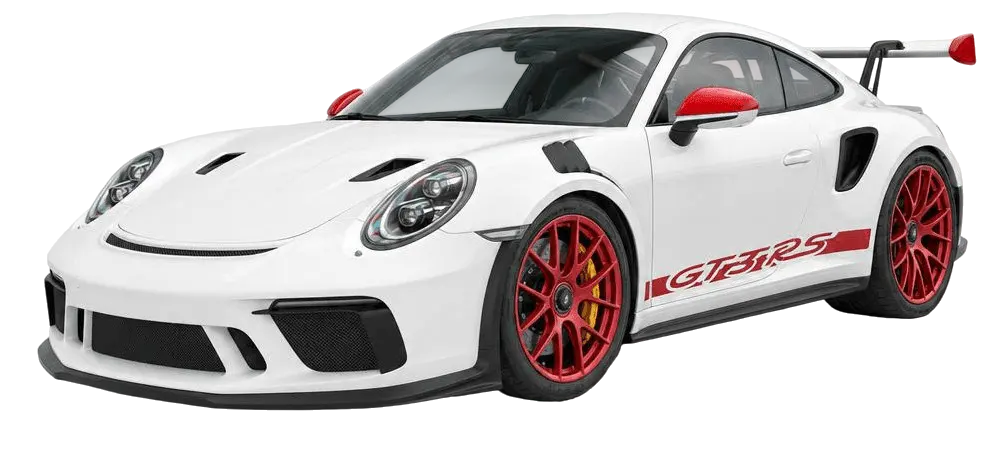
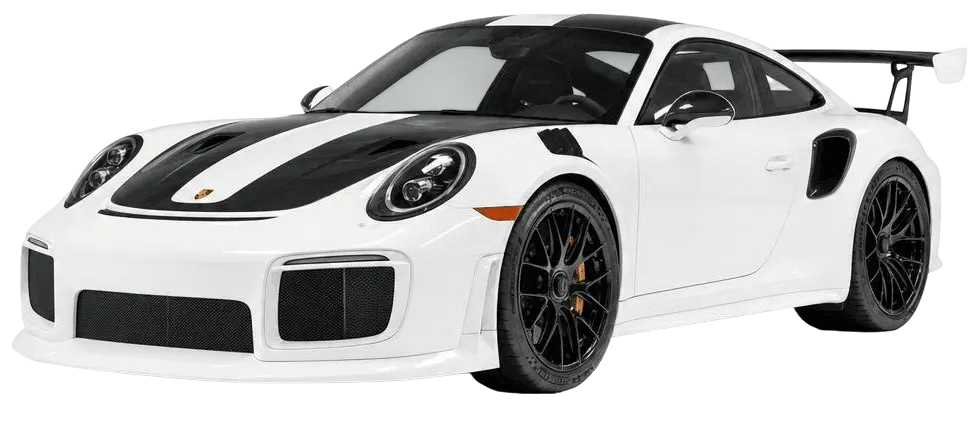
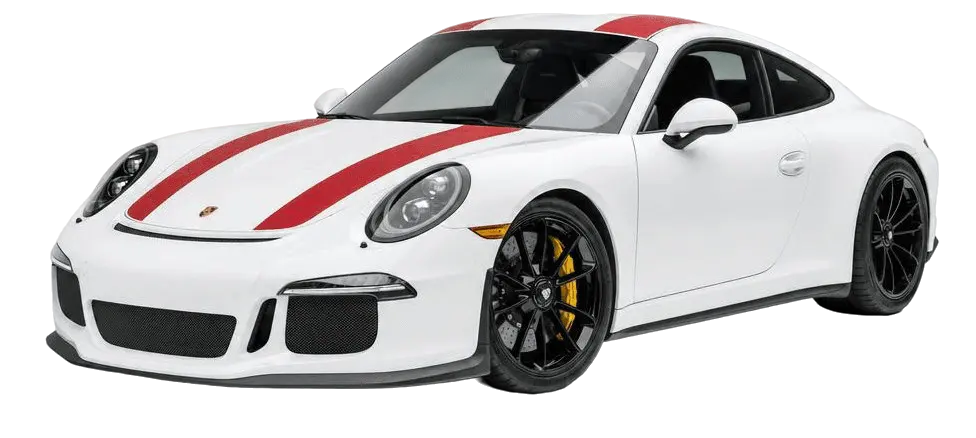
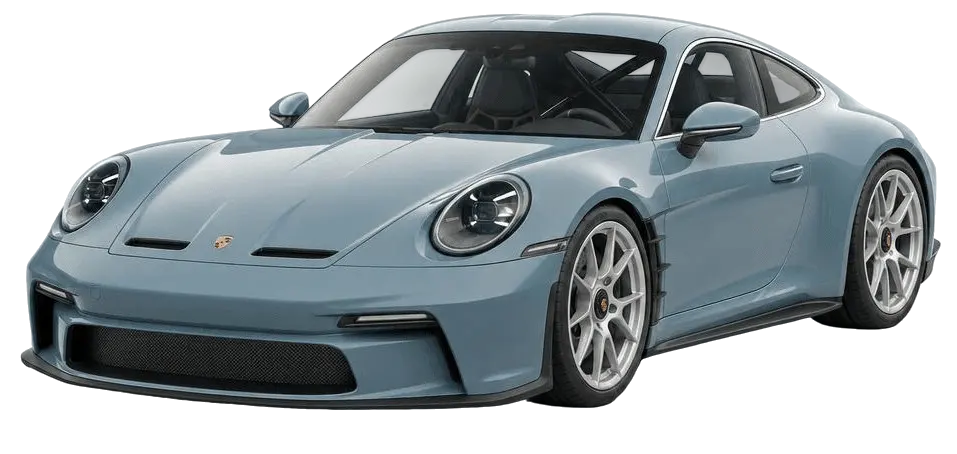
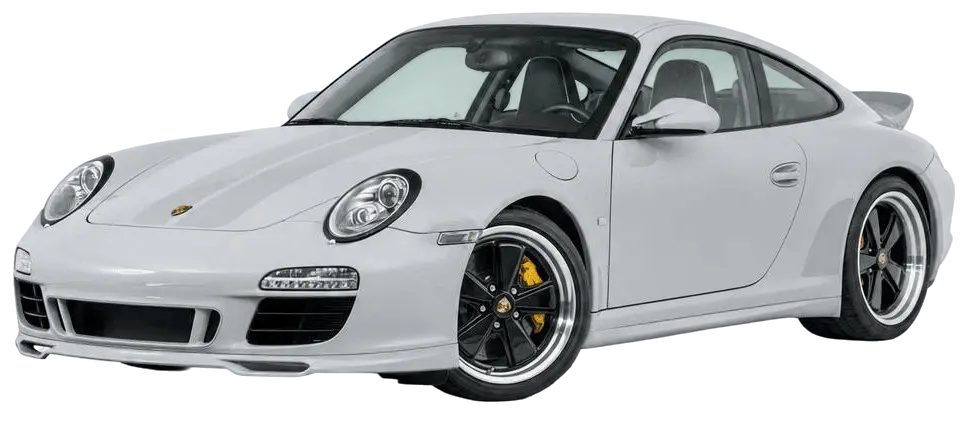
The lightweight, harder-edged 911s — from the original Carrera RS 2.7 through the modern GT department’s manual specials. The cars Porsche builds for the people who actually drive them.
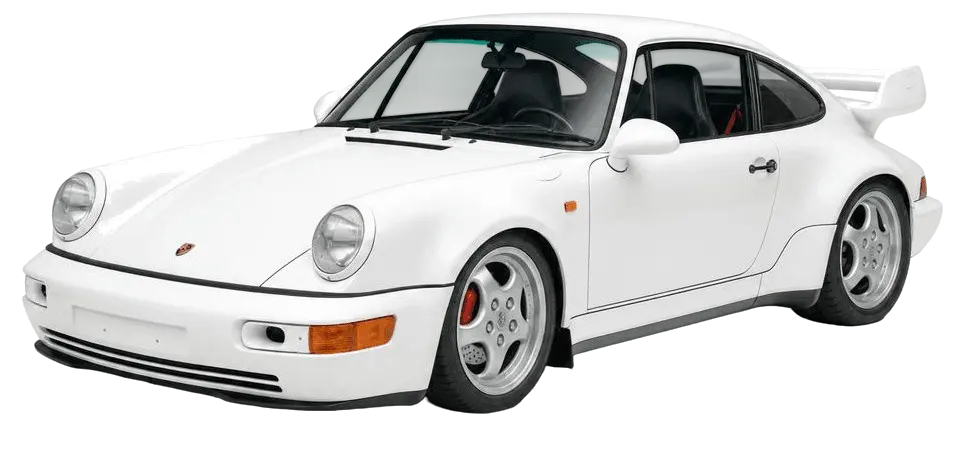
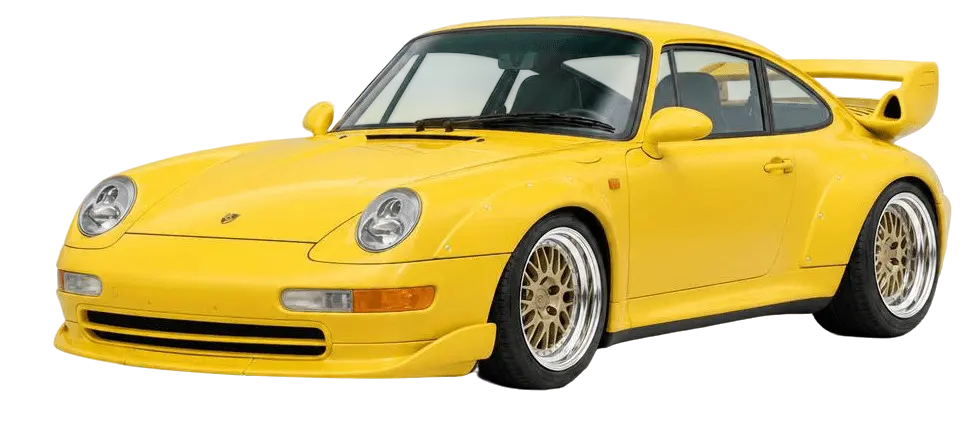
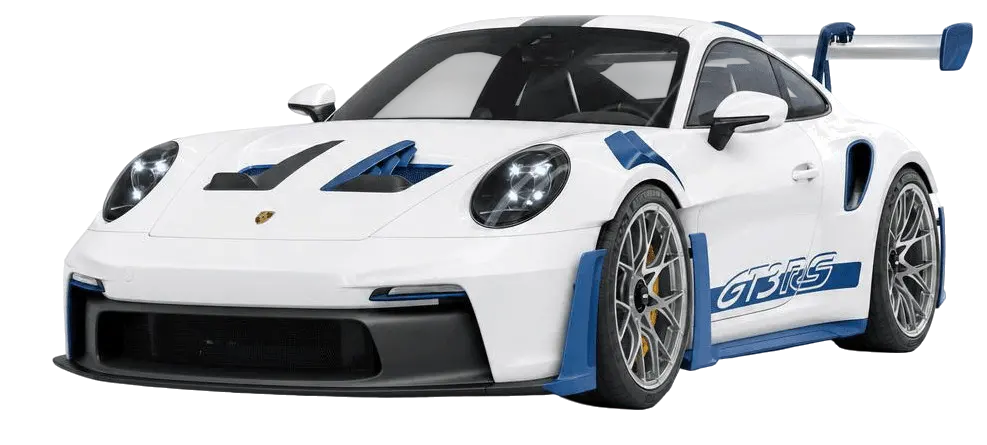
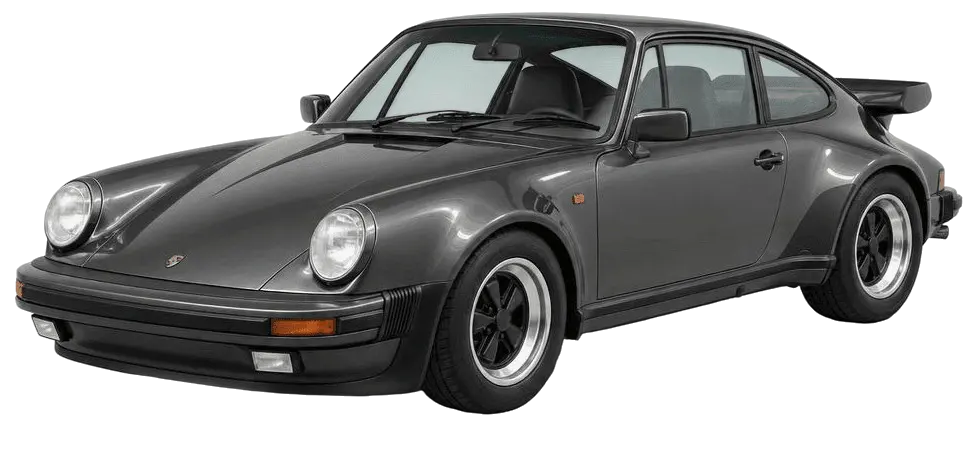
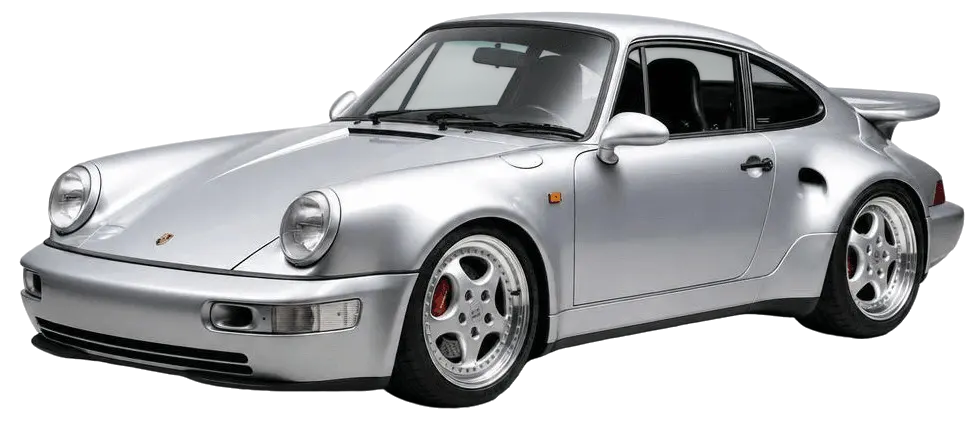
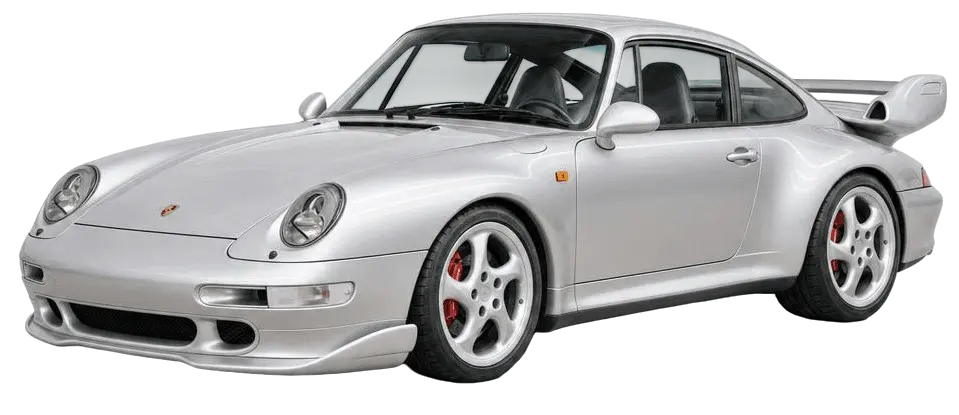
The wide-body turbocharged 911s and the air-cooled cars that defined the shape — from the original whale-tail 930 to the last, fastest 993 Turbo S.
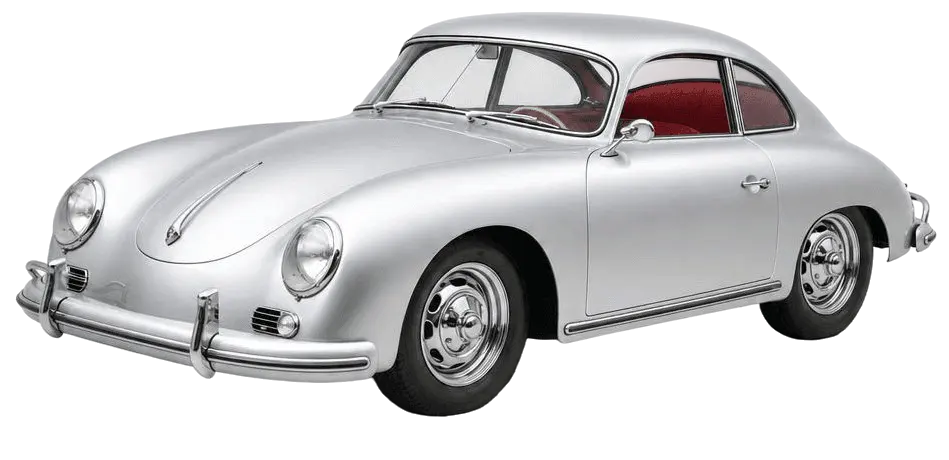
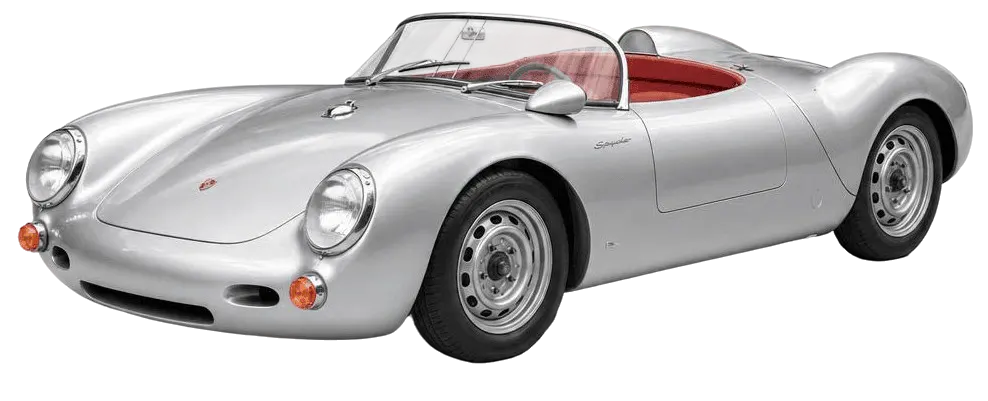
Where it began and where it was proven — the 356 that founded the company, the open Spyders and the works prototypes that took Porsche to overall victory at Le Mans.
The house
Where Ferrari sold racing cars to the public, Porsche refined a single idea for sixty years: a flat engine hung behind the rear axle, made faster and more usable with every generation. The 911 is the longest continuous bloodline in the collector world, and the market prices each branch of it precisely.
Air-cooled cars are the blue-chip core — the Carrera RS 2.7, the 964 and 993 specials, the wide-body Turbos. Since 2010 the modern GT department has built a second tier of instant collectibles, manual-gearbox cars deliberately made in numbers smaller than demand.
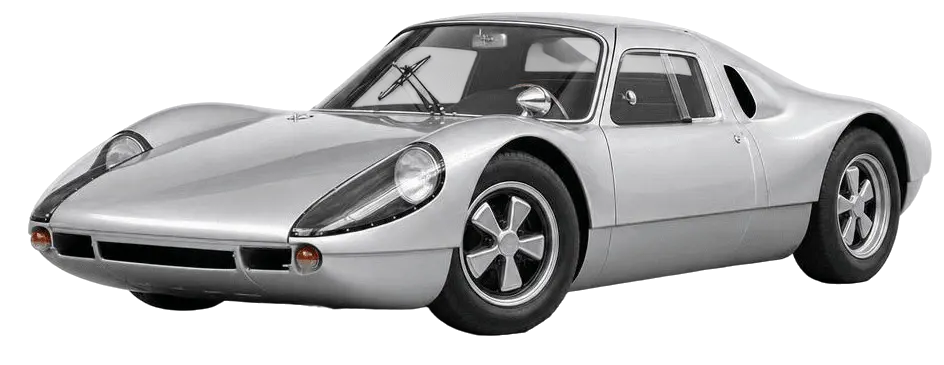
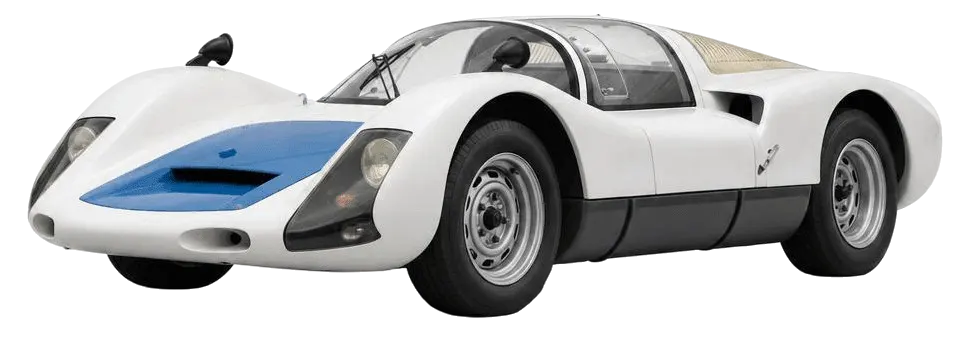
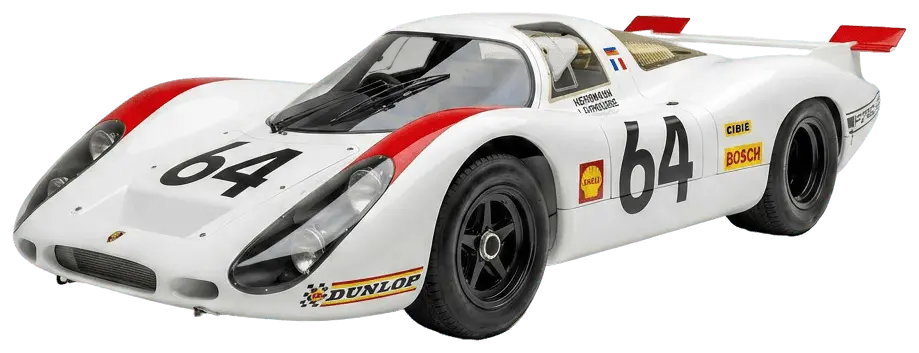
At the very top sit the sports-racers: the 550, the 904, the 908 and the 917 that finally won Le Mans outright. These trade alongside the best Ferraris of their era, and a documented works history is worth as much as the car itself.
Selected milestones
1931
The engineering office opens
Ferdinand Porsche establishes an independent design and engineering business in Stuttgart.
1948
The first Porsche-badged car
The 356 No. 1 Roadster receives its operating permit and begins the marque's production-car history.
1963
The 911 line begins
The six-cylinder 901 is presented at Frankfurt and enters production under the 911 name.
1970
Porsche wins Le Mans outright
The 917 gives Porsche its first overall victory at Le Mans and moves the company beyond class wins.
1972
The road-going RS formula
The Carrera RS 2.7 turns a 500-car homologation plan into a 1,580-car production run and establishes the RS line.
2003
Carrera GT production begins
A carbon-fibre chassis and naturally aspirated V10 bring an abandoned racing programme into a road car.
2013
The hybrid flagship enters production
The 918 Spyder combines a V8 with two electric motors and places hybrid technology at the top of the road-car range.
What defines Porsche
Porsche evolves established layouts and model families across generations instead of replacing their central idea.
Homologation cars and the RS and GT lines carry racing requirements into road-going production.
Original configuration, production context and documentary history determine where an individual car sits in the collector hierarchy.
The hands
2 names in the register stand behind this manufacturer. Each has a file of their own, following the work wherever it went.
The mark
New York, 1951: importer Max Hoffman asks Ferry Porsche for a seal of quality his American customers can see. The legend says a napkin — the record says a design competition across Germany’s art colleges, and the answer that stuck came from inside the house.
Engineer Franz Xaver Reimspieß — presumed author of Volkswagen’s roundel in 1936 — sketched it in early 1952: Stuttgart’s rearing horse set into the antlers and colours of Württemberg, the city spelled out, PORSCHE as the canopy above. Registered that year, on the steering-wheel hub by winter, on the 356’s bonnet by 1954. It has never left.
Franz Xaver Reimspieß, 1952 · with publicity chief Hermann Lapper
1948–1952
The word alone — block capitals on the first 356s, no badge at all. Shown in today’s cut.
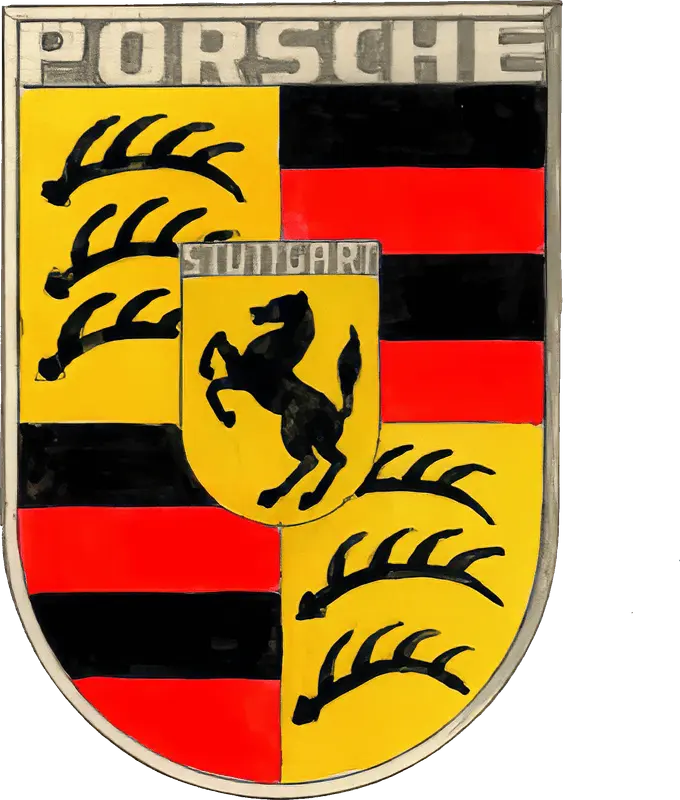
1952–1963
Reimspieß’s first crest: horse, antlers, and the city named.
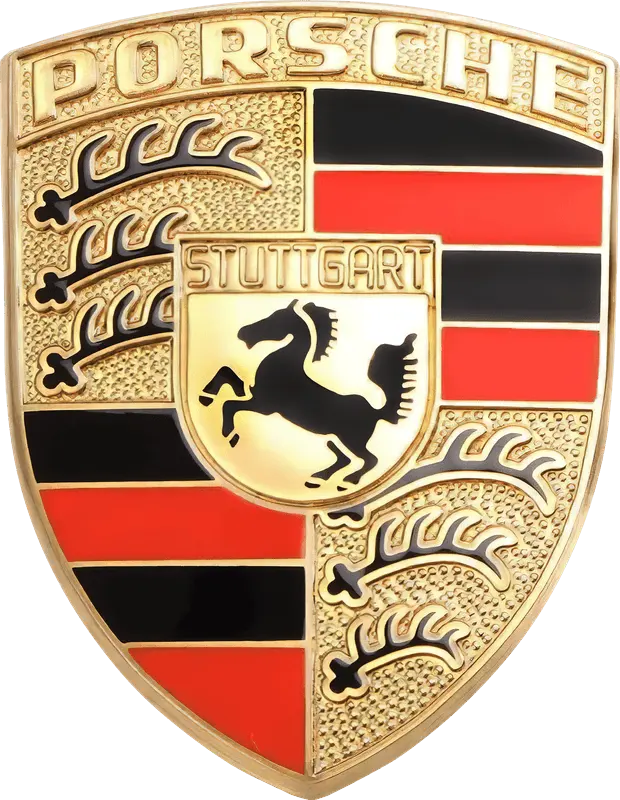
1963–1994
Gold ground, sharper base — the 911 wears it from day one.
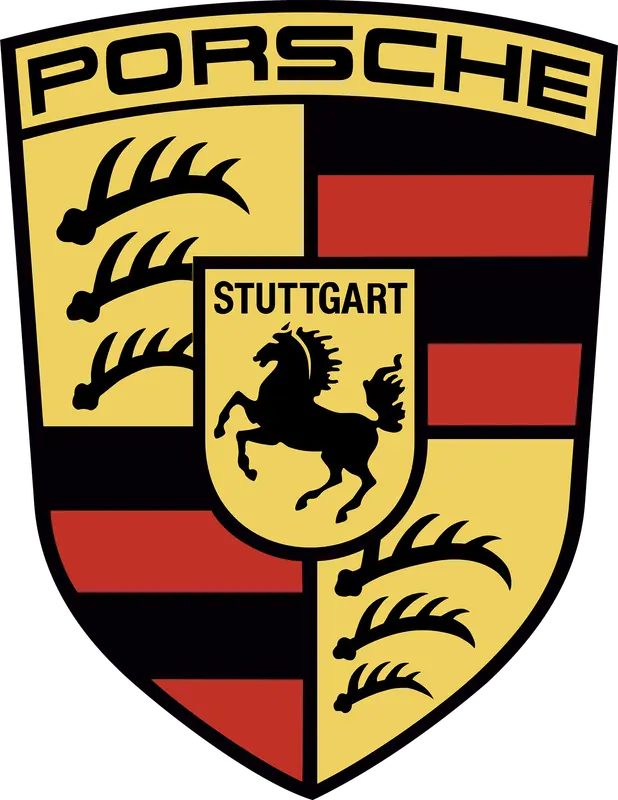
1994–2008
Redrawn flatter and warmer; burgundy replaces the bright red.
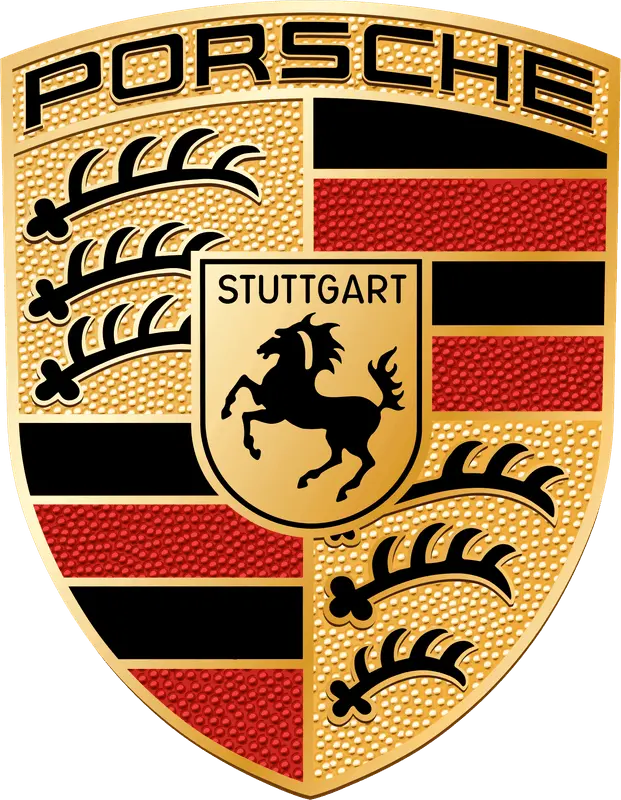
2008–2023
Polished dimensionality — the crest as jewellery.
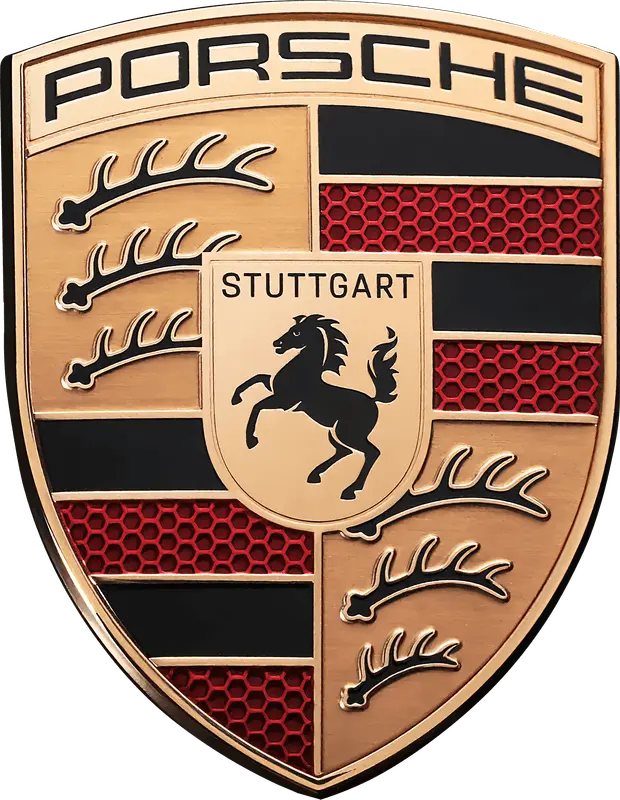
2023–
The 75th-anniversary redraw: matte gold, cleaner lines, a quieter horse.