Quietness by engineering
Balanced engines, isolated structures and acoustic tuning treat refinement as a mechanical requirement.
Goodwood, England · est. 1904
Engineering continuity, made individual through coachwork.
Curated entry points
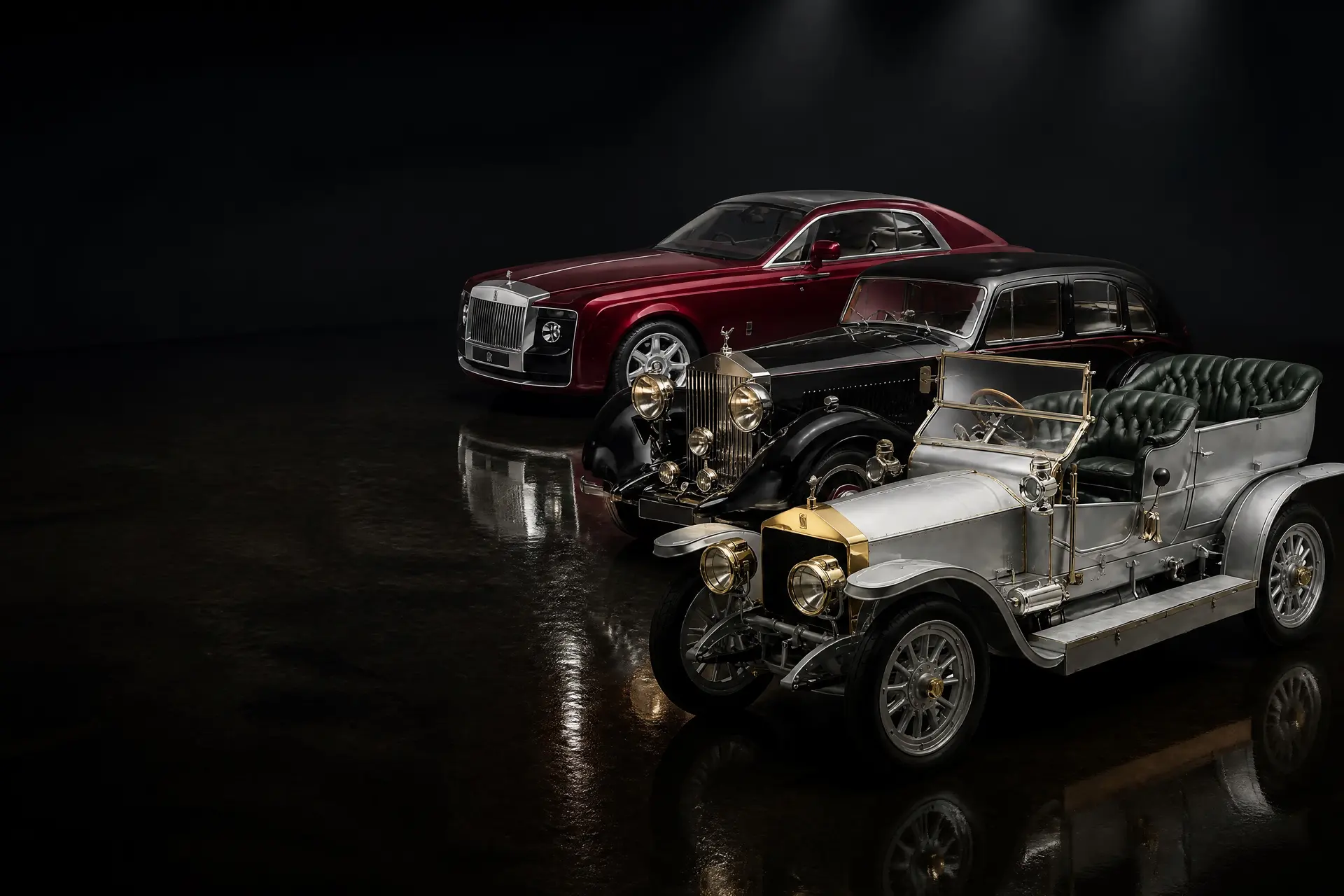
Three cars that explain the manufacturer: its origins, its engineering peak and the shape of its modern ambition.
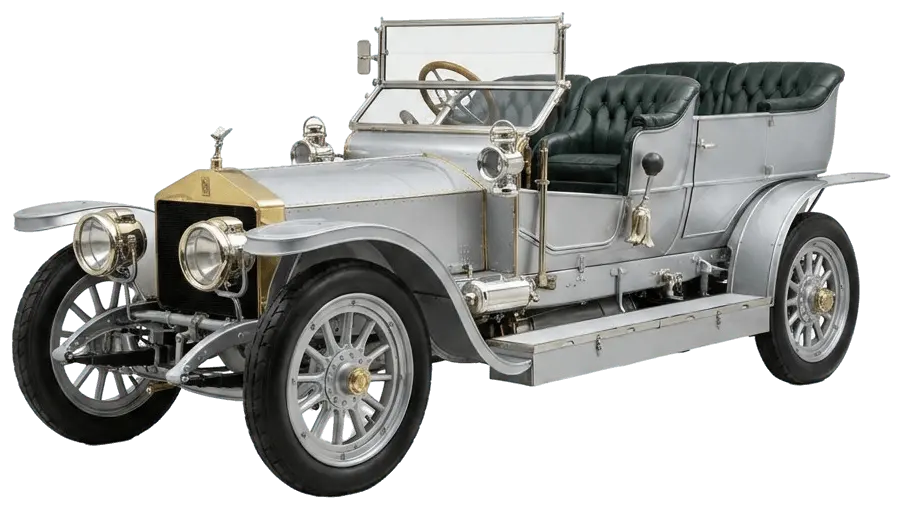 1906–1926
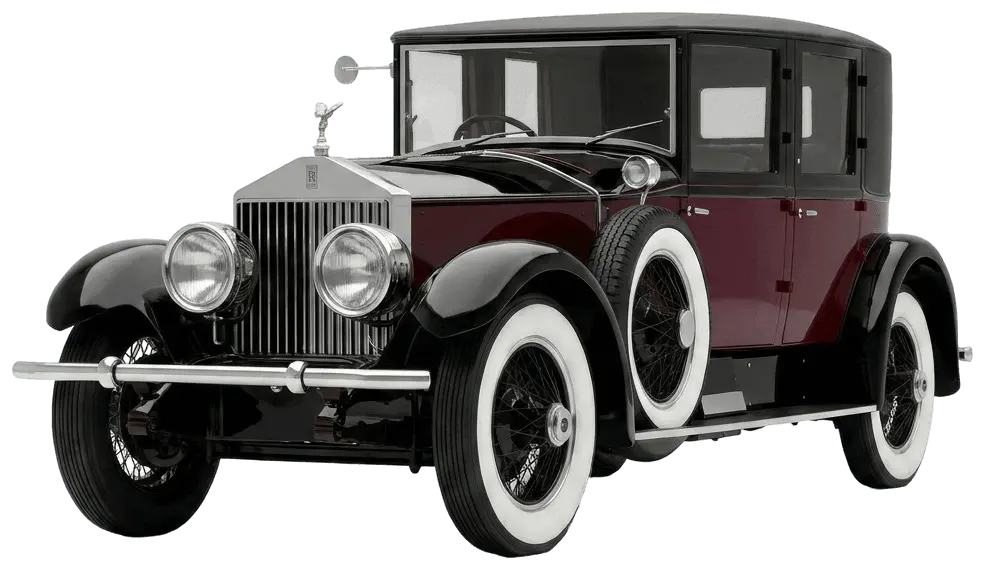
The 40/50 hp that earned the marque its name.
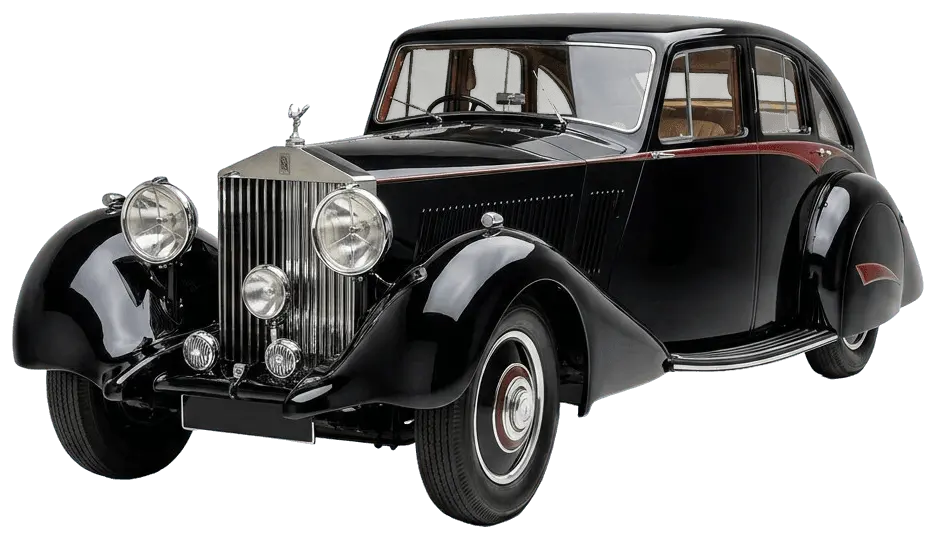 1929–1936
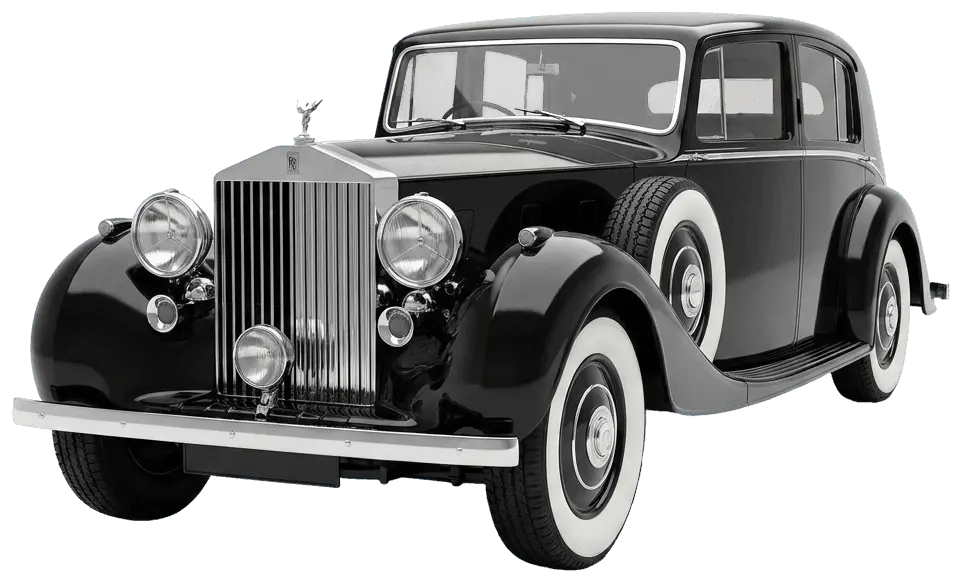
The Continental chassis made it a true grand routier.
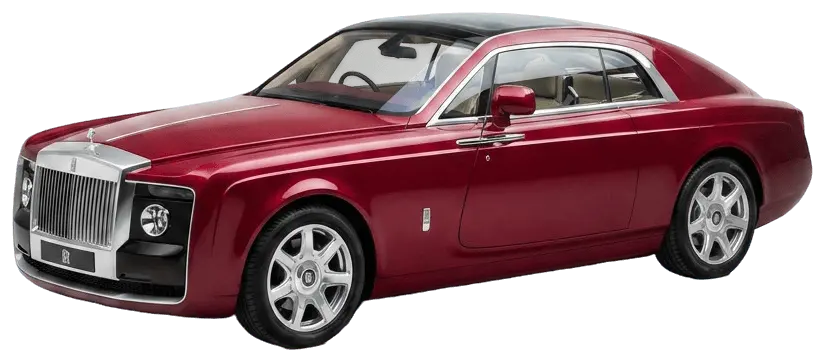 2017
2017The car that restarted coachbuilding — a single panoramic-roof commission.
Complete catalogue
13 models · 3 families
The cars that built the legend — the Silver Ghost that won the name, and the pre-war Phantoms that defined the coachbuilt grand car. The blue-chip top of the vintage market.
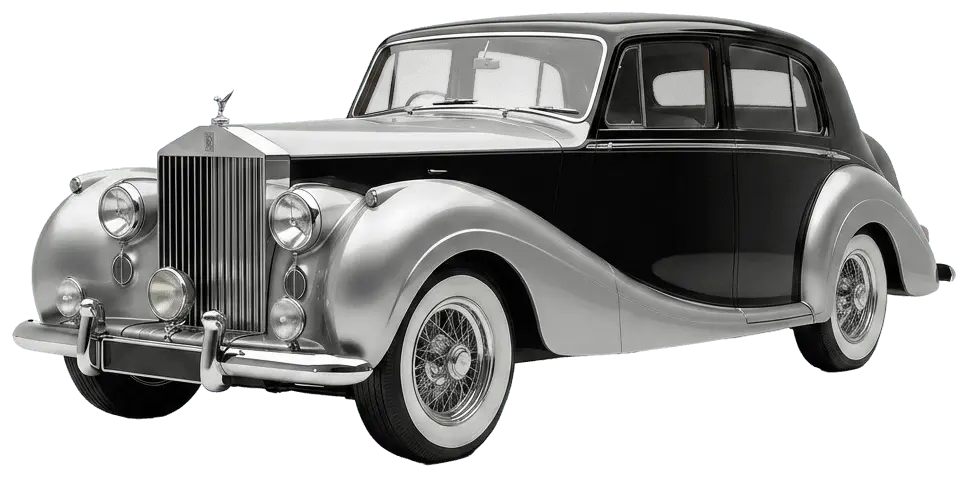
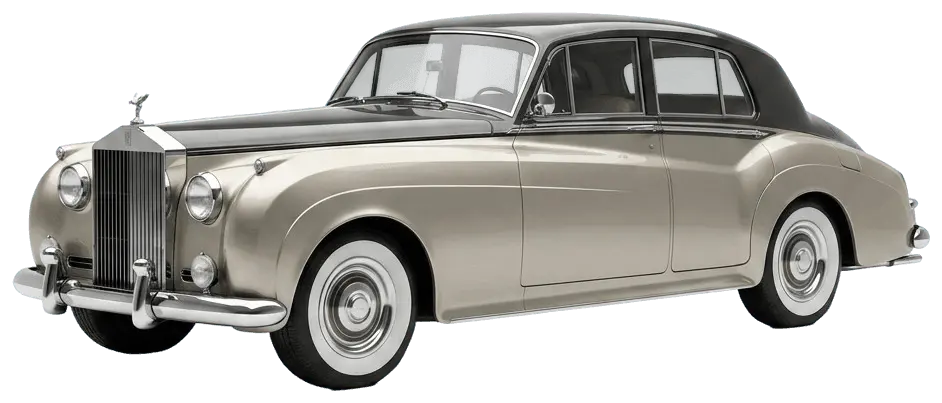
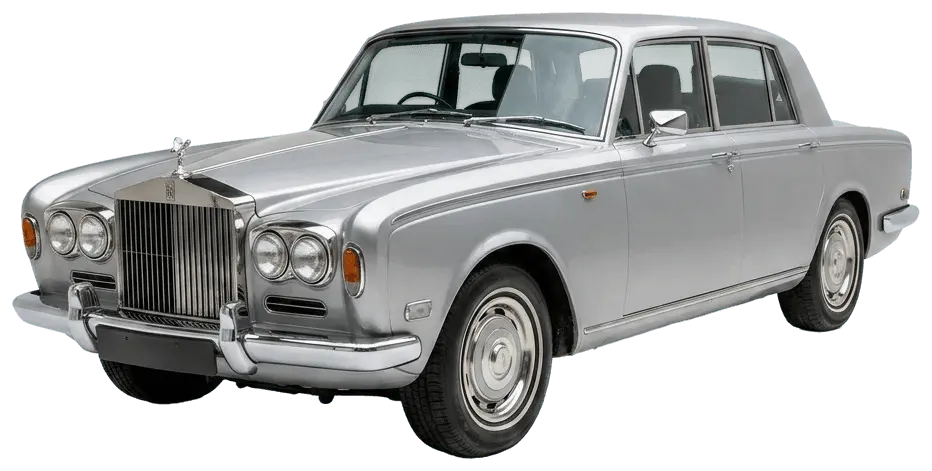
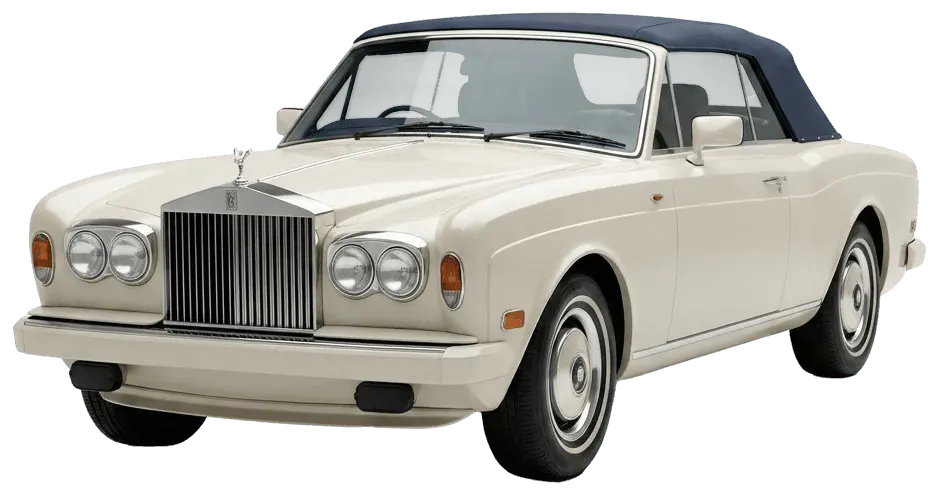
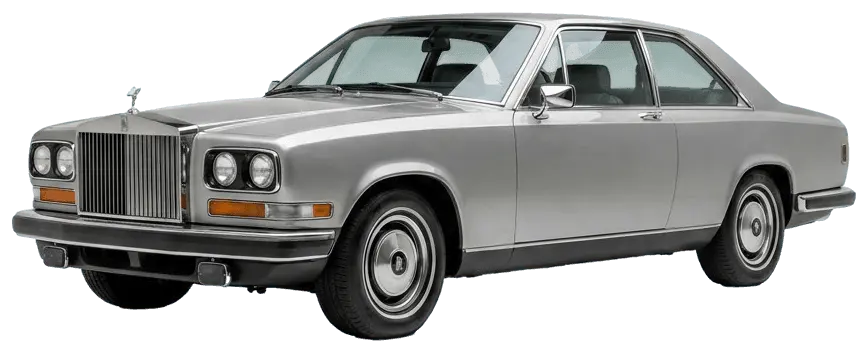
The cars of the marque’s great post-war run — the stately Silver Cloud, the monocoque Silver Shadow, and the rakish Corniche and Camargue that brought coachwork into the modern age.
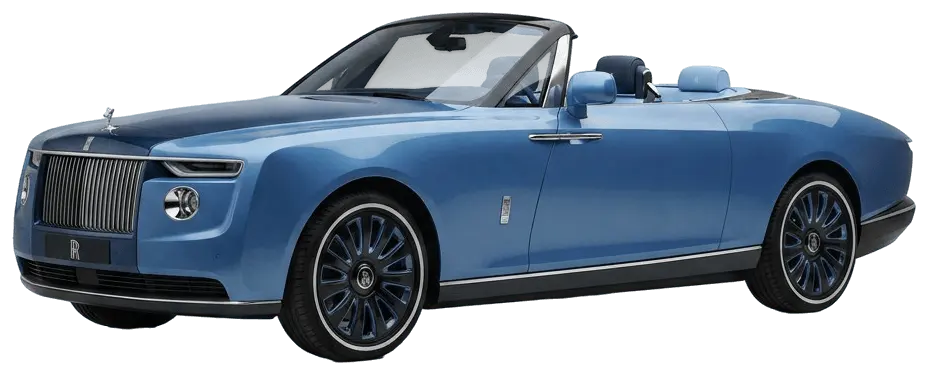
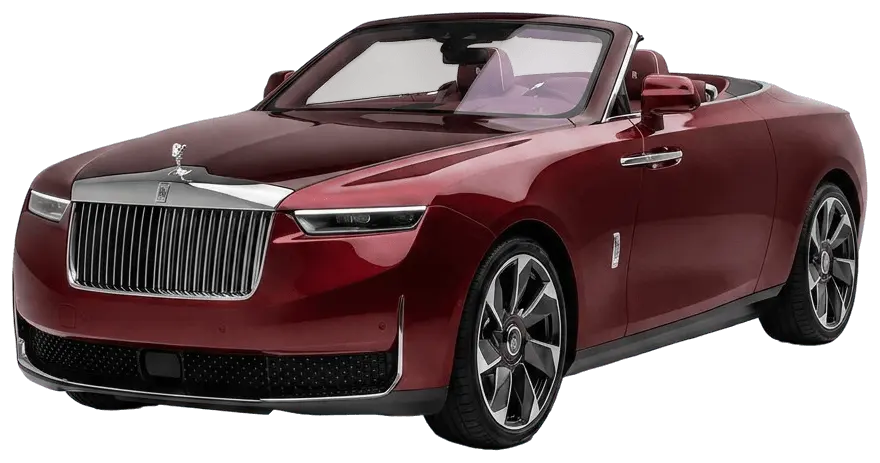
Goodwood’s revival of true coachbuilding — cars designed around a single client and built in ones and threes. The Boat Tail is reputed to be the most expensive new car ever made.
The house
Charles Rolls and Henry Royce met in 1904, and within two years the 40/50 hp Silver Ghost had earned the marque a single, enduring claim: "the best car in the world." It was won on engineering — a six-cylinder engine so smooth and so reliable it made every rival feel unfinished.
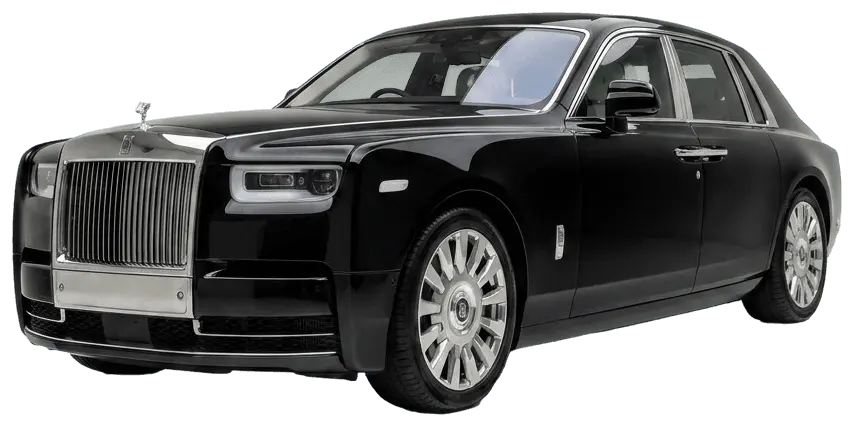
For a century the formula held. Royce supplied the chassis and the running gear; the great coachbuilders — Mulliner, Park Ward, Hooper — clothed them to order. A pre-war Phantom or a post-war Silver Cloud was a bespoke object before the word existed, and the best of them are blue-chip collectibles today.
Under Goodwood, Rolls-Royce revived that tradition as a department: Coachbuild. The Sweptail, the Boat Tail and the Droptail are coach-built one-offs and three-offs in the original sense — designed around a single client, and priced as the most expensive new cars in the world.
Selected milestones
1904
Rolls meets Royce
Charles Rolls agrees to sell every car Henry Royce can build under the combined name.
1907
The Silver Ghost proves the chassis
Chassis 60551 completes the Scottish Reliability Trial and a subsequent run of nearly 15,000 miles, establishing quietness and endurance as engineering claims.
1925
Phantom succeeds the 40/50 H.P.
The New Phantom begins the long-running flagship line while retaining separate-chassis construction.
1965
Silver Shadow adopts unit construction
The first Rolls-Royce sold only as a complete car replaces the traditional rolling chassis with a monocoque body and subframes.
2003
Production begins at Goodwood
Delivery of the first Phantom VII starts the BMW-owned Rolls-Royce Motor Cars operation at its new factory.
2017
Coachbuild returns
Sweptail revives the practice of creating a complete body around one client's brief after a 24-year interruption.
2023
Electric deliveries begin
Spectre becomes the first electric series-production Rolls-Royce delivered to clients.
What defines Rolls-Royce
Balanced engines, isolated structures and acoustic tuning treat refinement as a mechanical requirement.
Coachwork, Bespoke and modern Coachbuild let the client's brief determine the finished car.
A long bonnet, formal grille and rear-passenger emphasis persist while the underlying construction evolves.
The hands
One name in the register stands behind this manufacturer. Their own file follows the work wherever it went.
The mark
The badge is the partnership itself: Rolls the salesman, Royce the engineer, their initials interlocked. The letters were red until the early thirties — and the myth says they turned black in mourning when Royce died in 1933. The record is drier: Royce approved the change himself, before his death, because red clashed with customers’ paintwork.
The figure everyone knows is not the badge at all. Charles Sykes delivered the Spirit of Ecstasy in February 1911, reworked from his earlier figurine The Whisper — Eleanor Thornton with a finger to her lips. In 2020 Pentagram’s Marina Willer did to the monogram what Royce did to the red: removed what got in the way.
Spirit of Ecstasy: Charles Sykes, 1911 · 2020 identity: Marina Willer, Pentagram
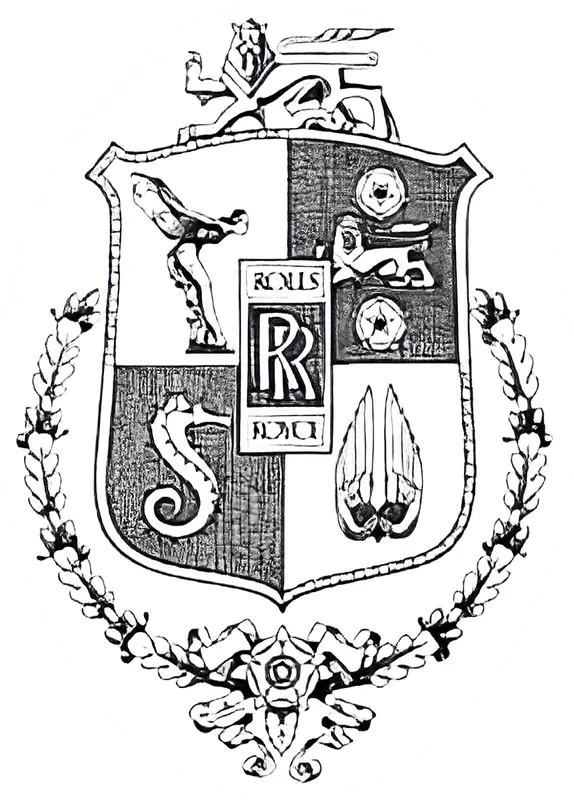
1906–1934
The Edwardian mark: heraldry and laurels around the two names.
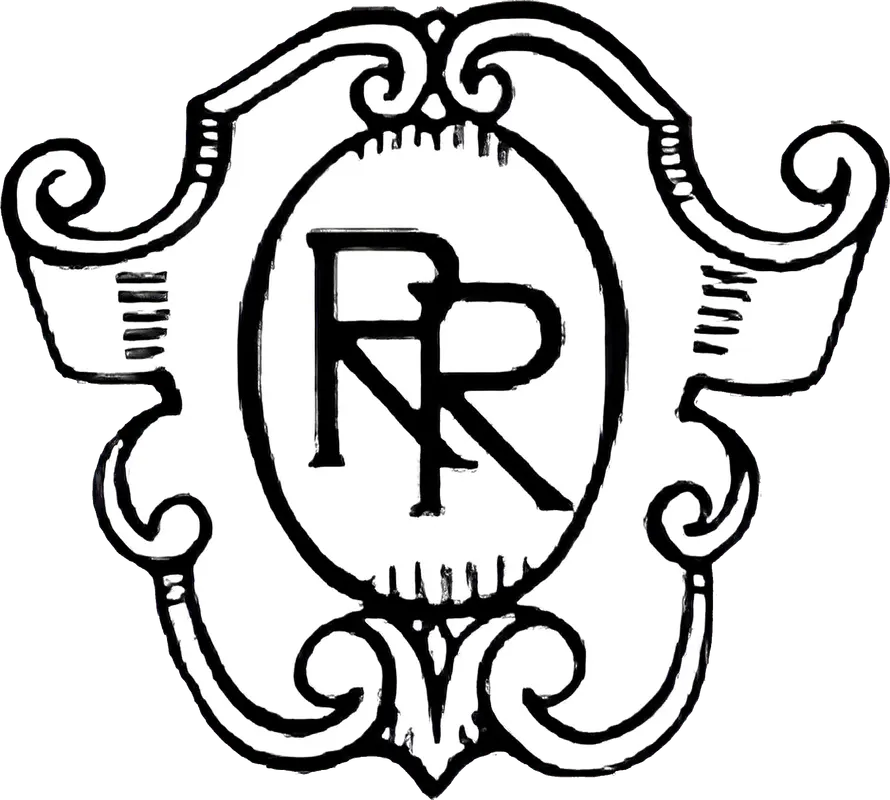
1911–1973
The interlocked Rs — red until Royce ruled it a clash with the paint.

1973–1998
Boxed in navy — the badge of the newly separate Motors company.
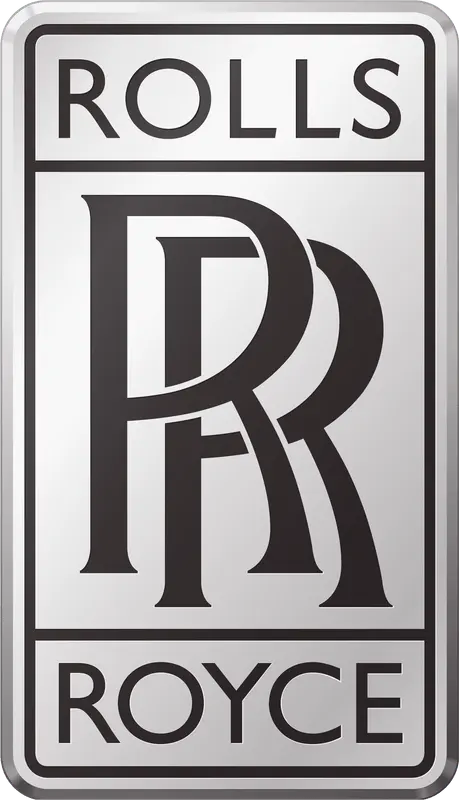
1998–2020
Silver and dimensional — the plate of the BMW era.
2020–
Willer’s redraw: the rectangle removed, the monogram alone.