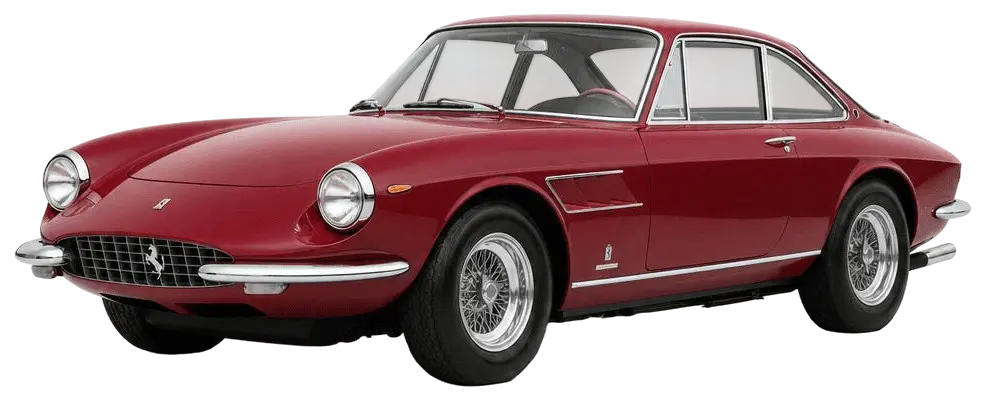
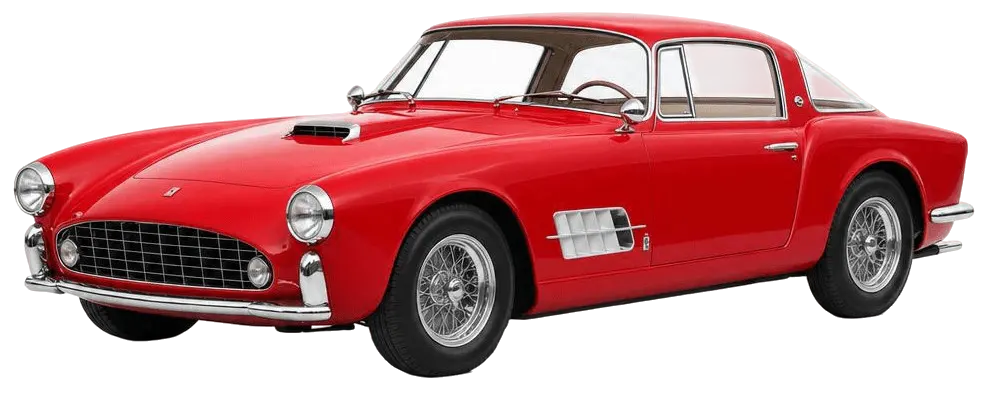
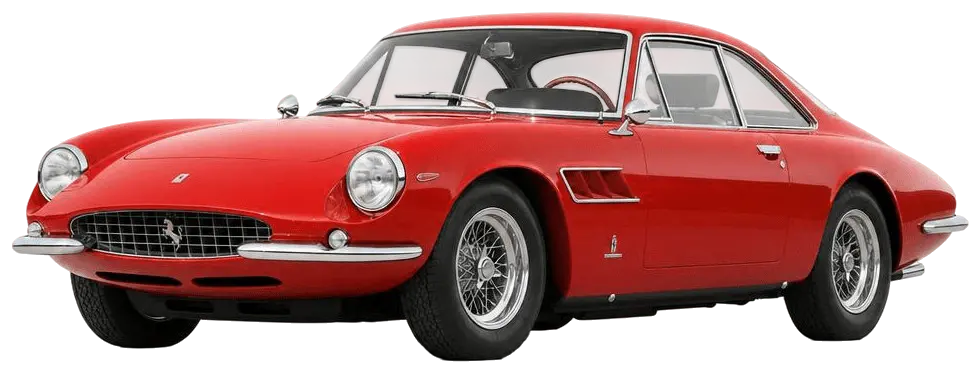
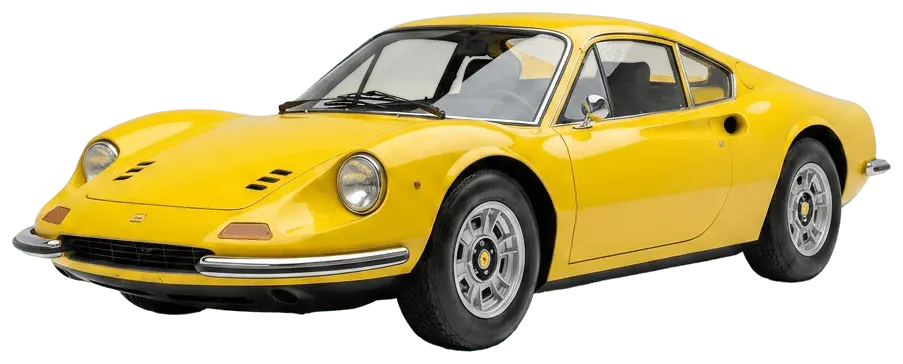
Racing first
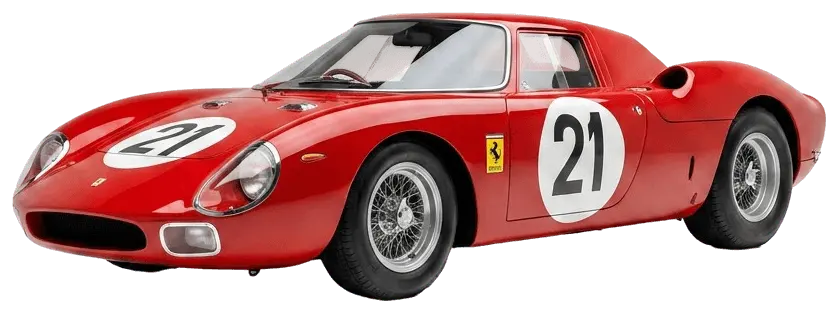
The road-car story is closely tied to Ferrari competition programmes and homologation thinking.
Maranello, Italy · est. 1947
Maranello, measured by its competition cars.
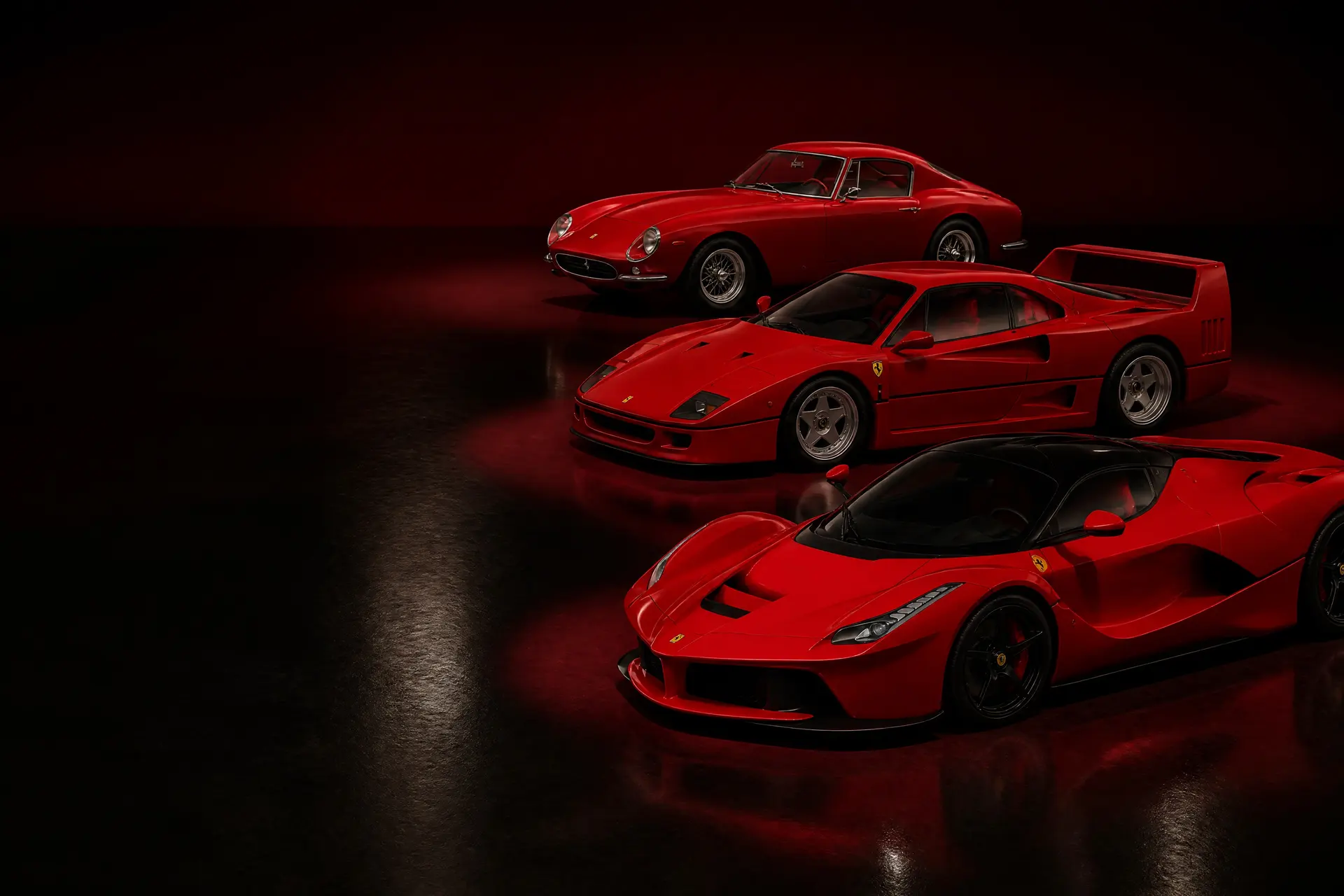
Curated entry points
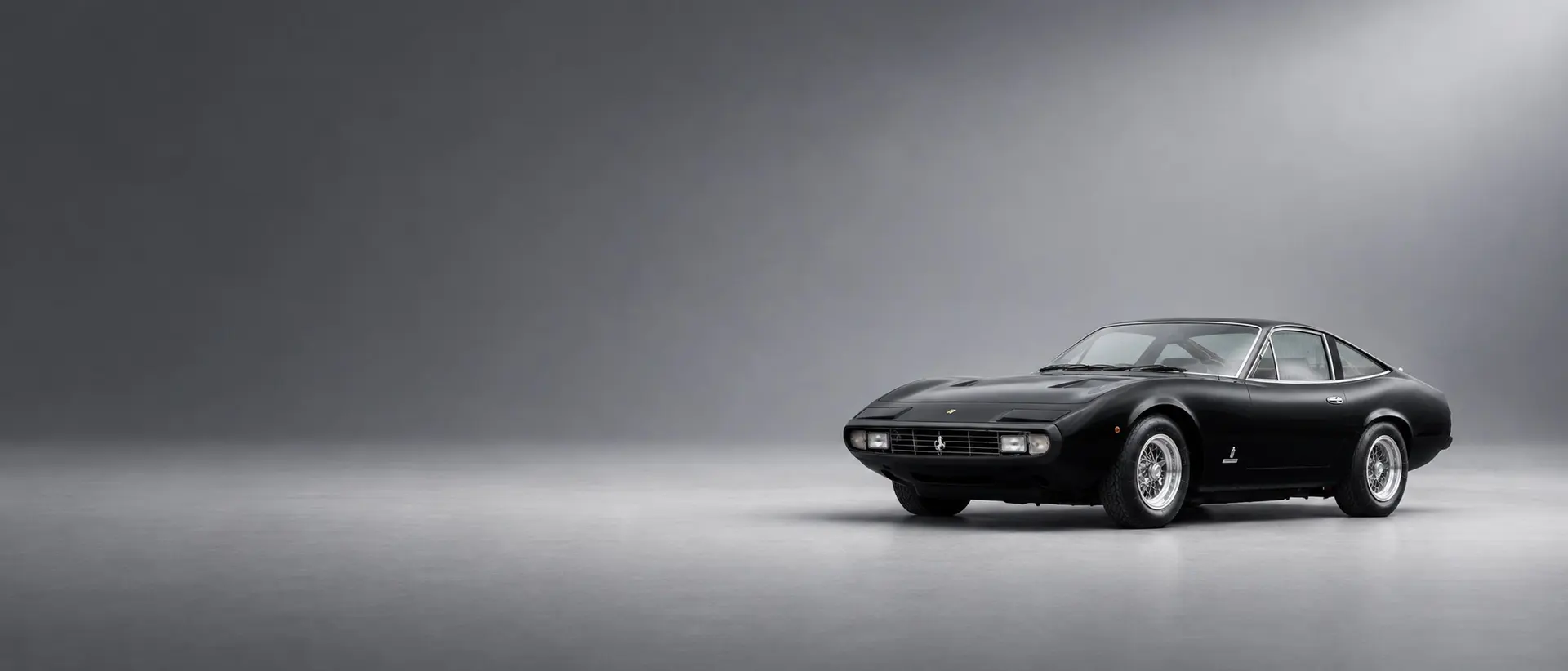
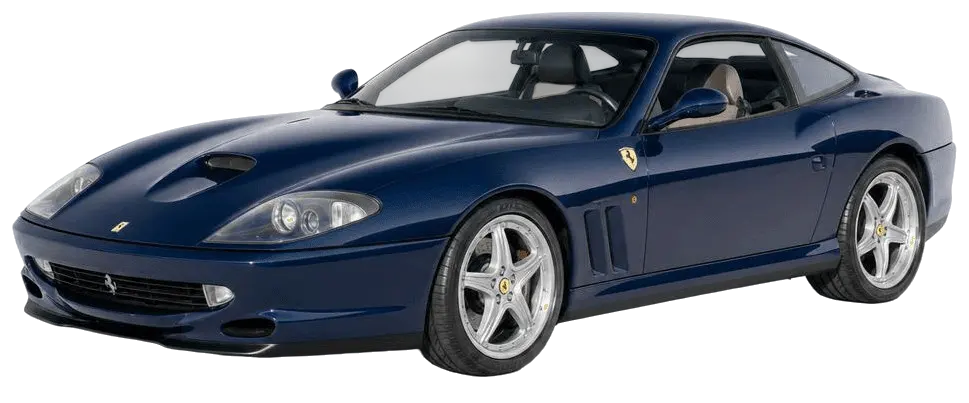
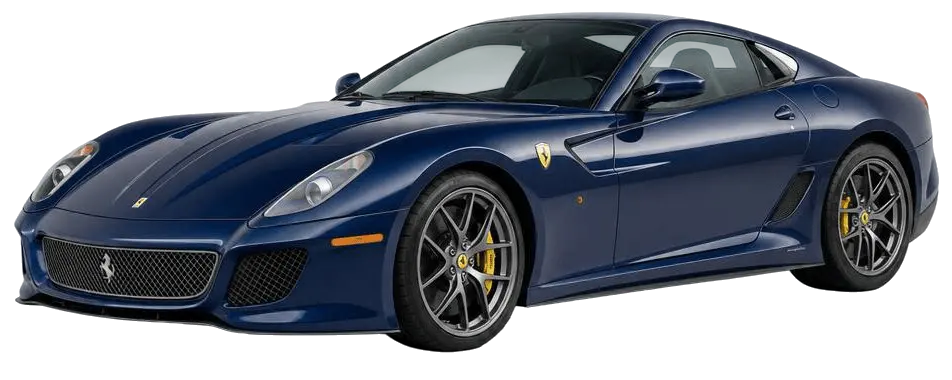
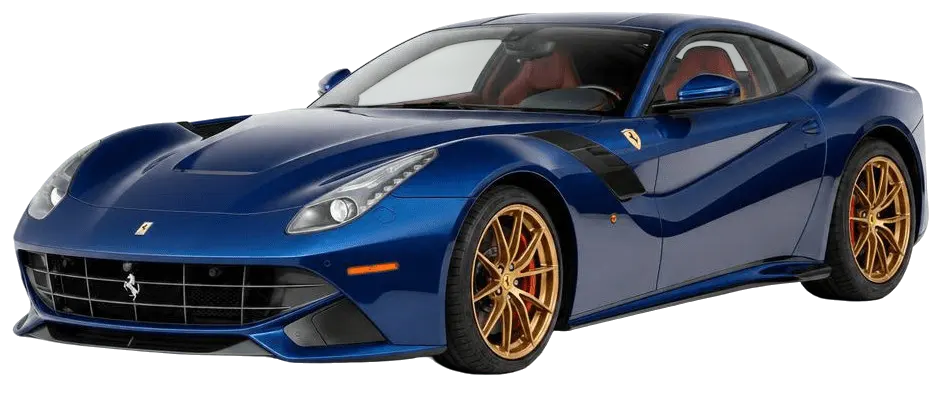
Three cars that explain the manufacturer: its origins, its engineering peak and the shape of its modern ambition.
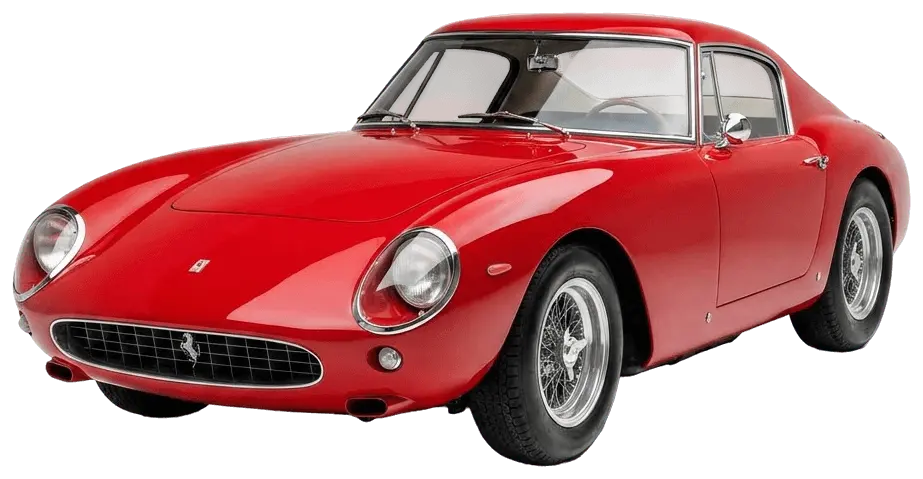 1959–1963
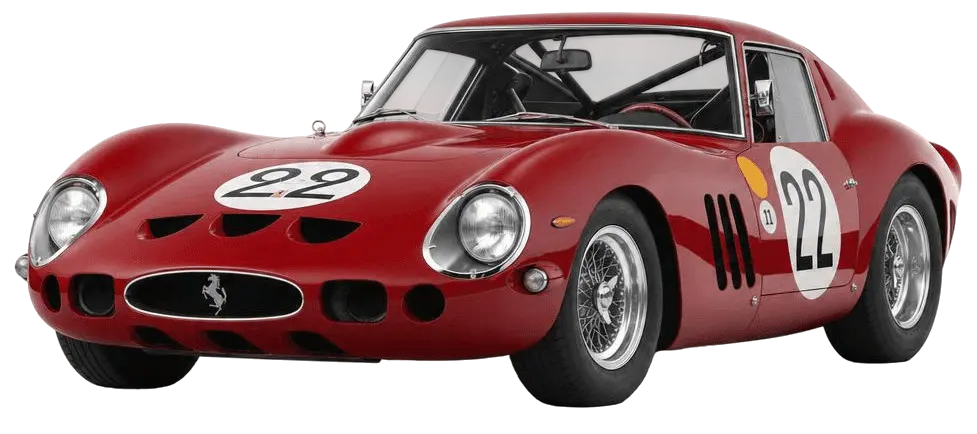
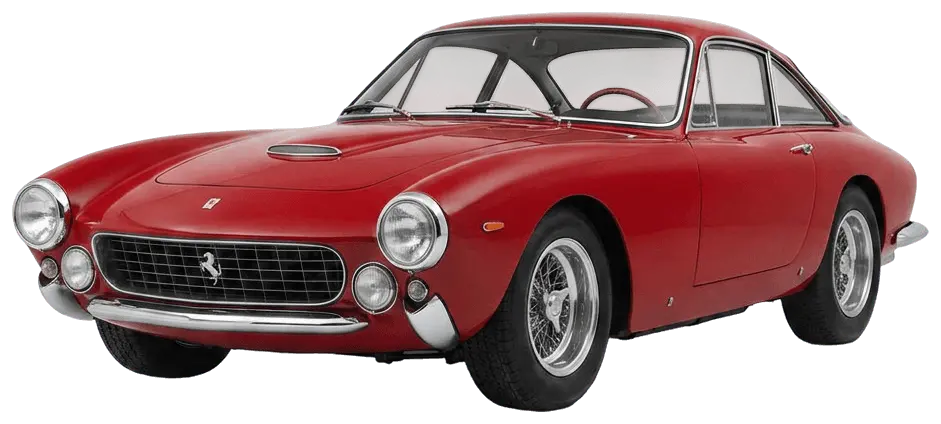
Road car and race winner in one body — the definitive dual-purpose Ferrari.
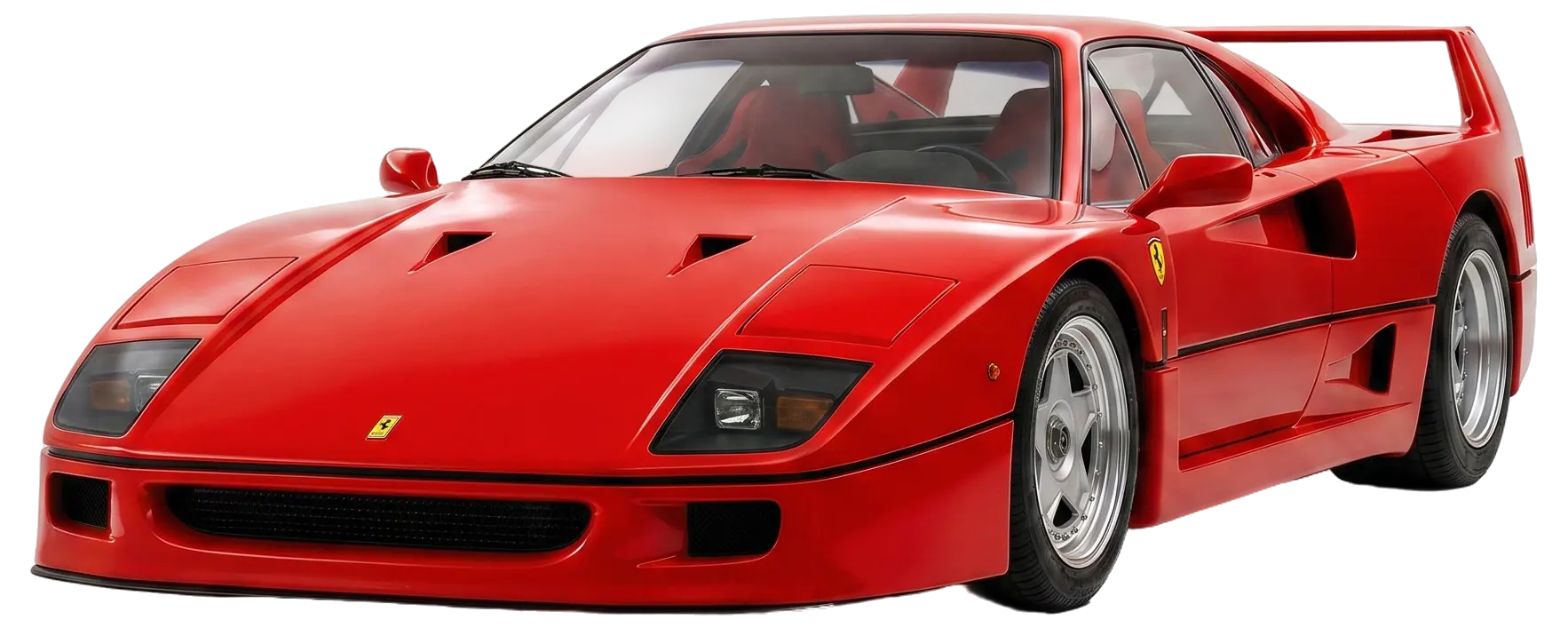 1987–1992
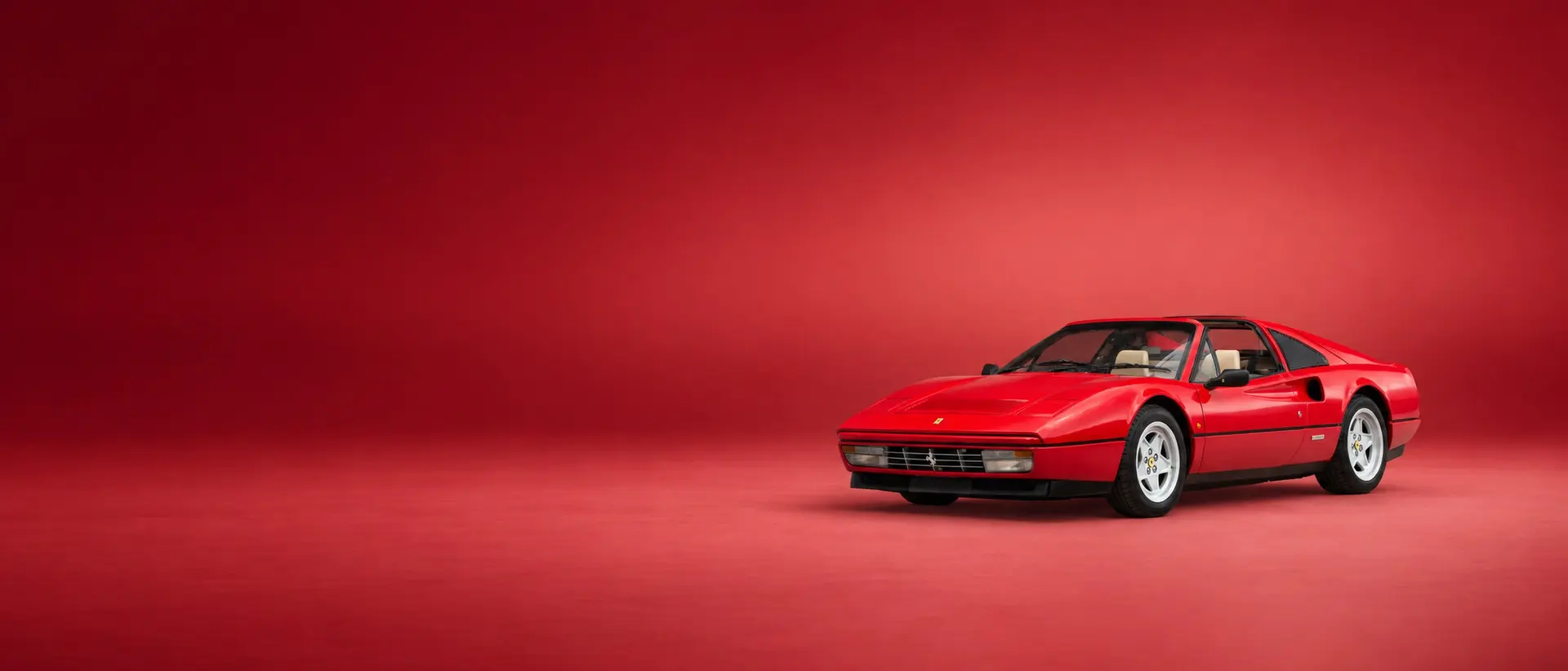
The last car Enzo signed off — raw, twin-turbo, no electronics.
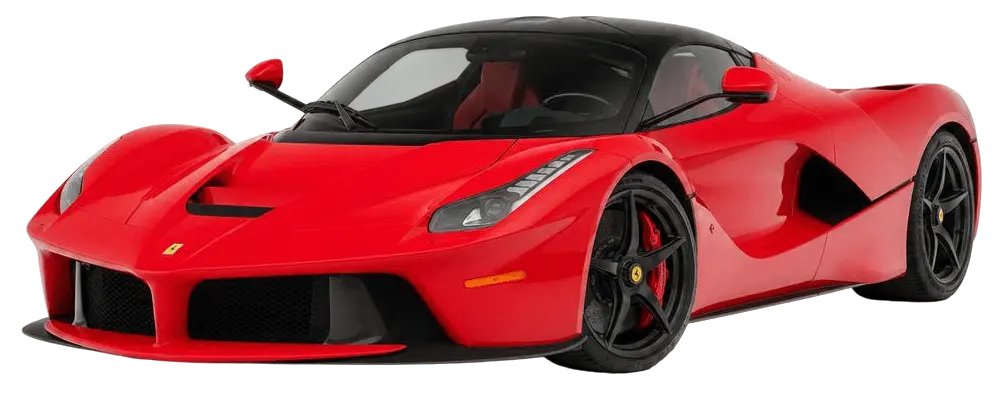 2013–2016
The first hybrid halo — 963 hp from V12 and KERS.
Complete catalogue
50 models · 10 families
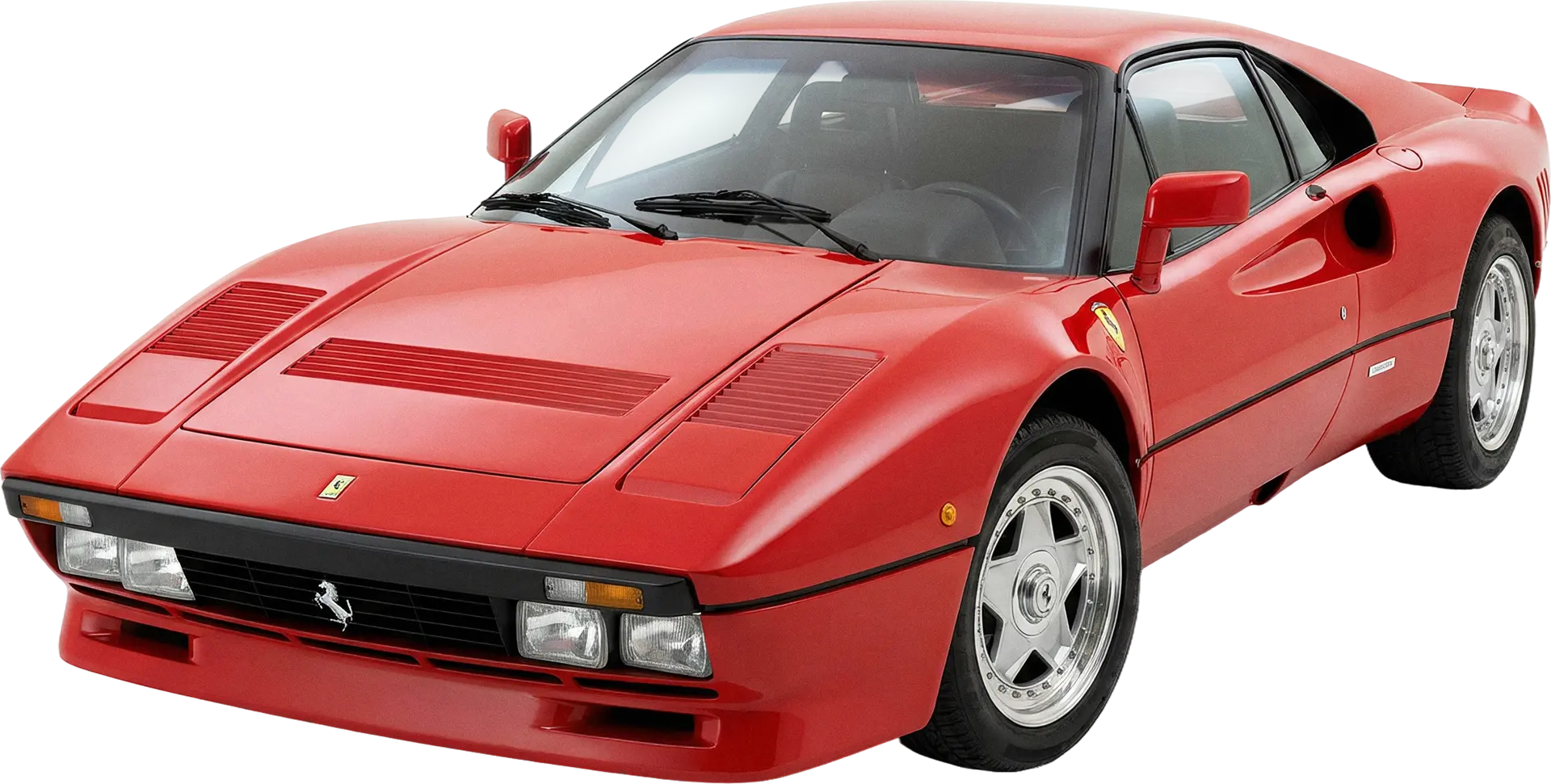
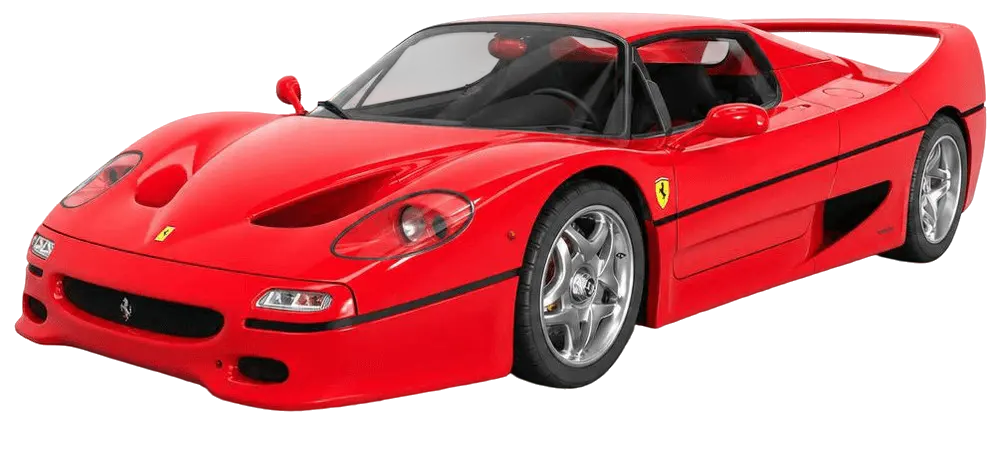
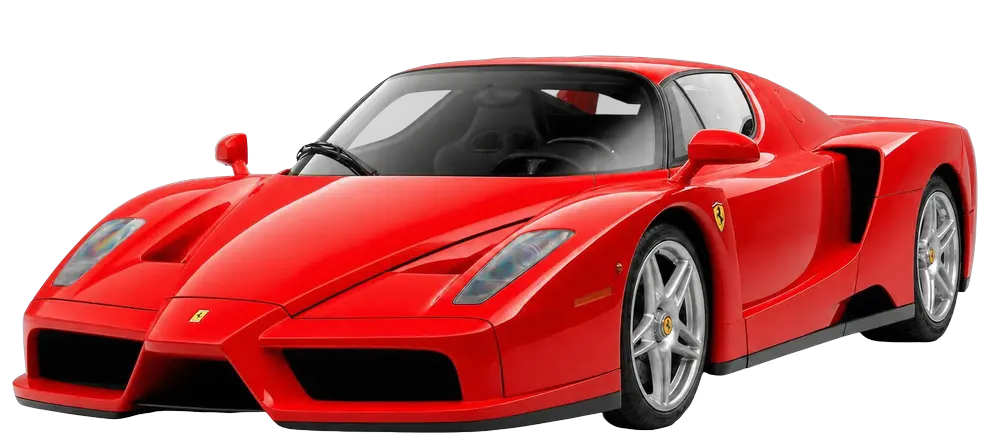
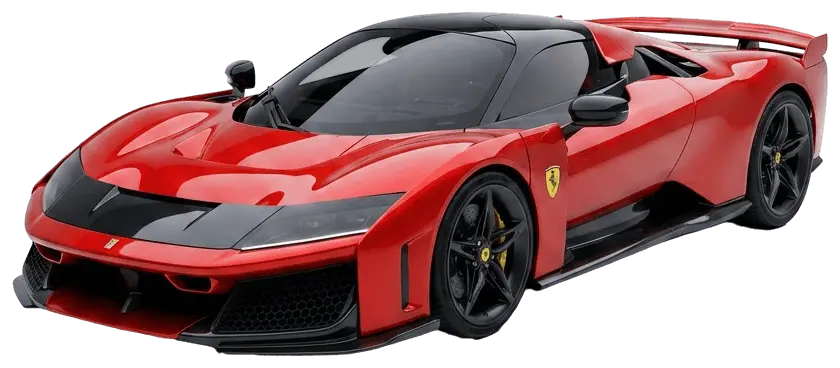
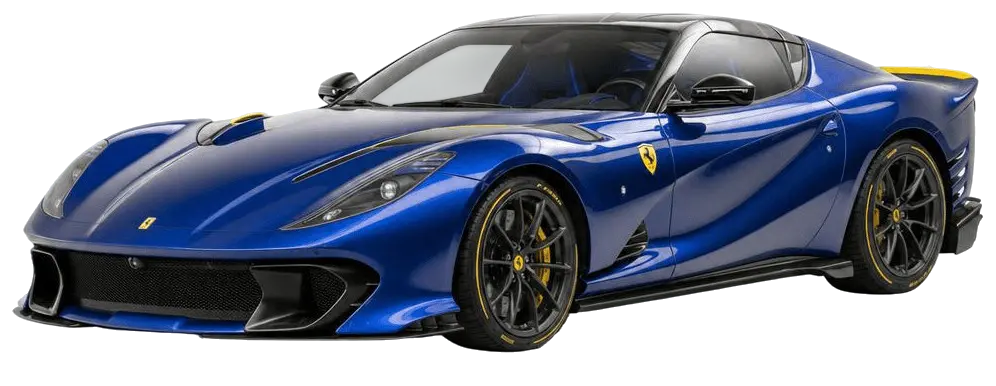
Maranello’s flagship line — each one the fastest, most advanced Ferrari of its day, built in deliberately small numbers. The thread that runs from the 288 GTO to the F80.
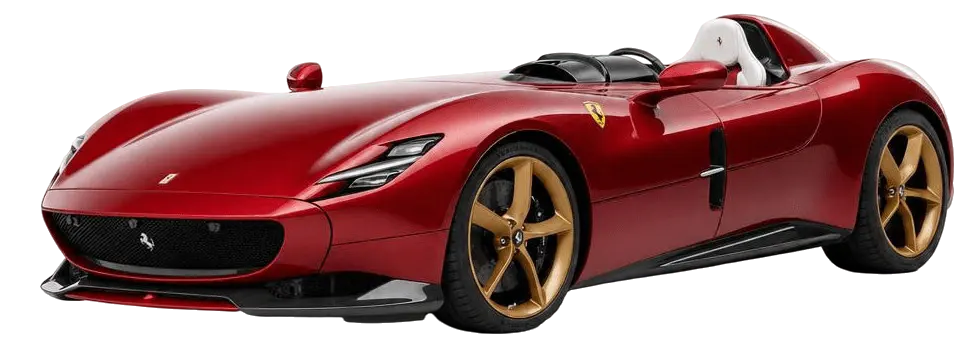
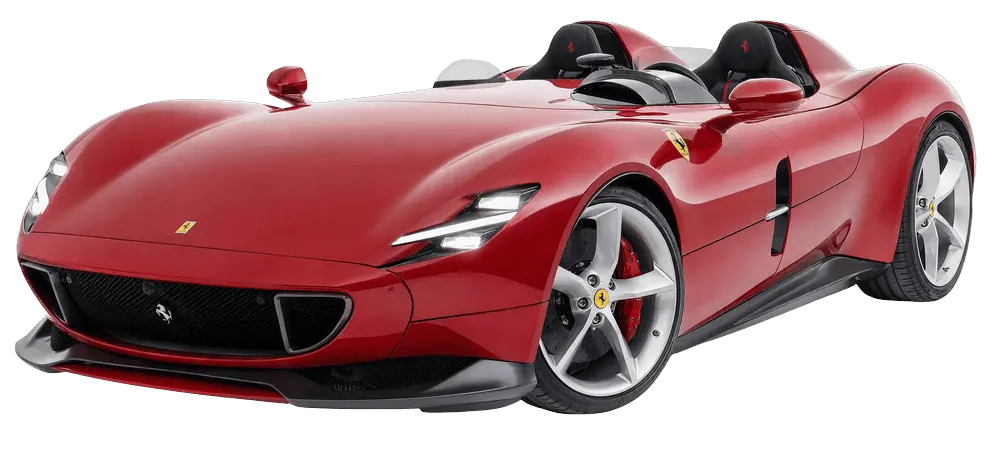
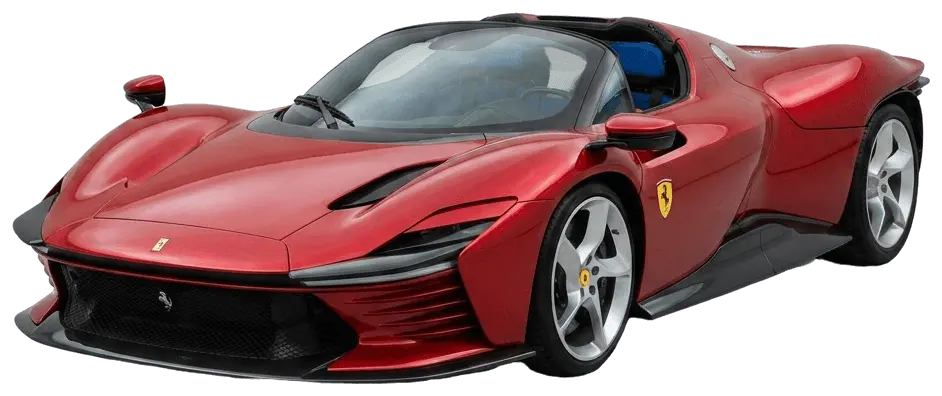
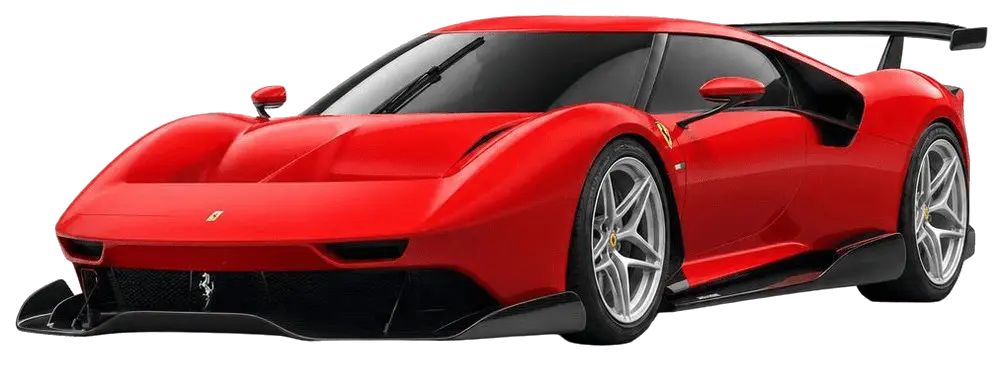
A series of limited, design-led specials that reinterpret Ferrari’s own past — the barchettas of the 1950s, the Daytona racers — with today’s running gear.
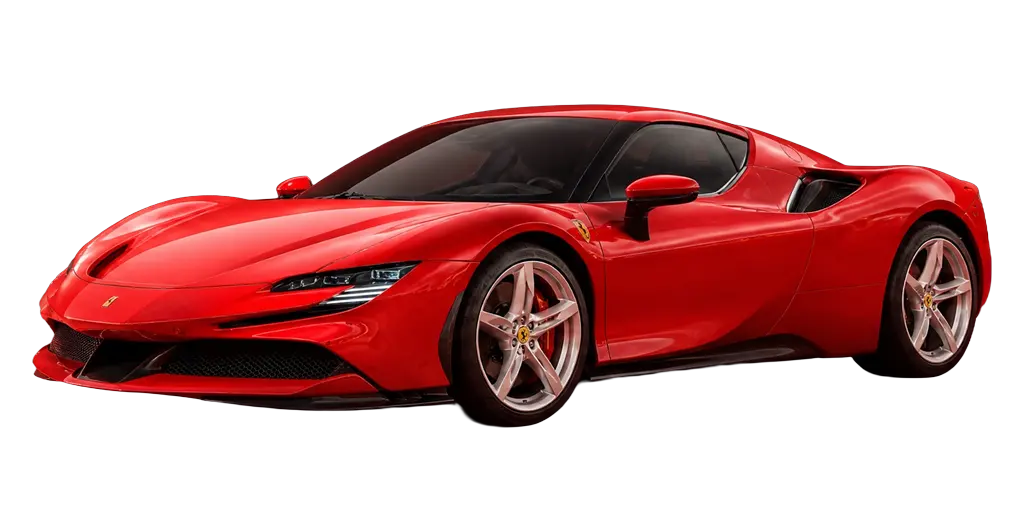
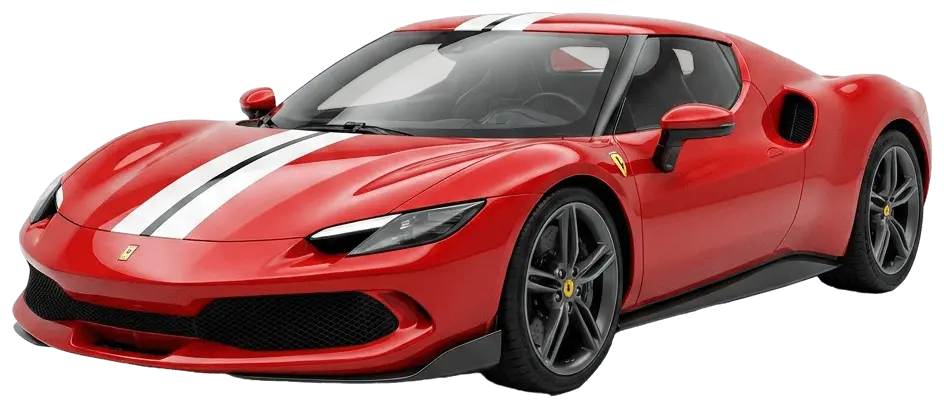
Maranello electrified in series: twin-turbo V8s with three electric motors, the front axle purely electric — the SF90 made a thousand cavalli the new top of the range.
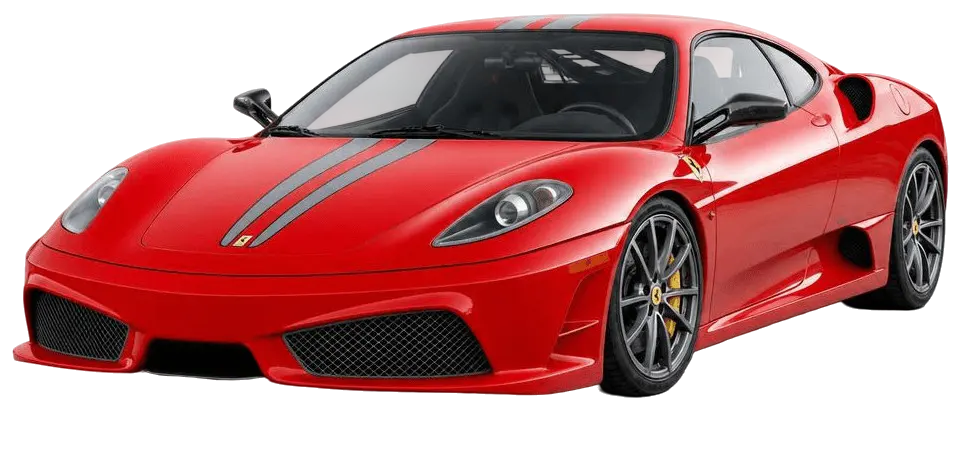
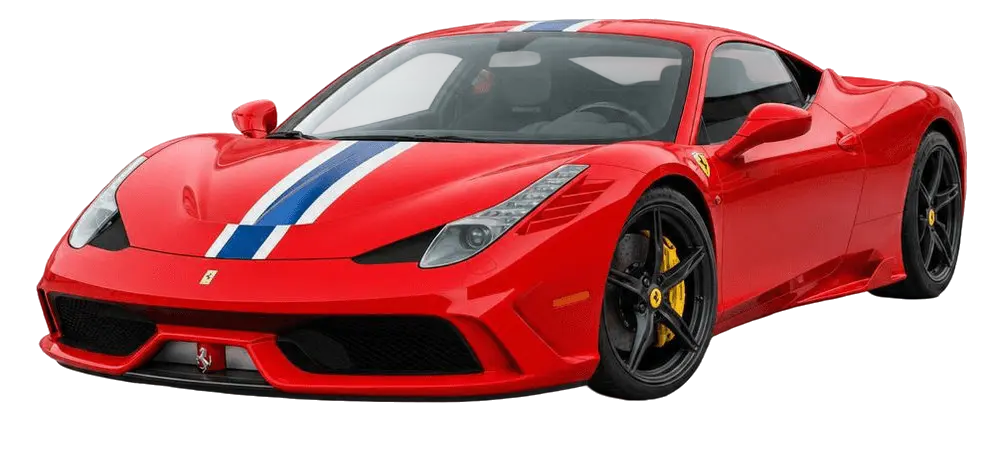
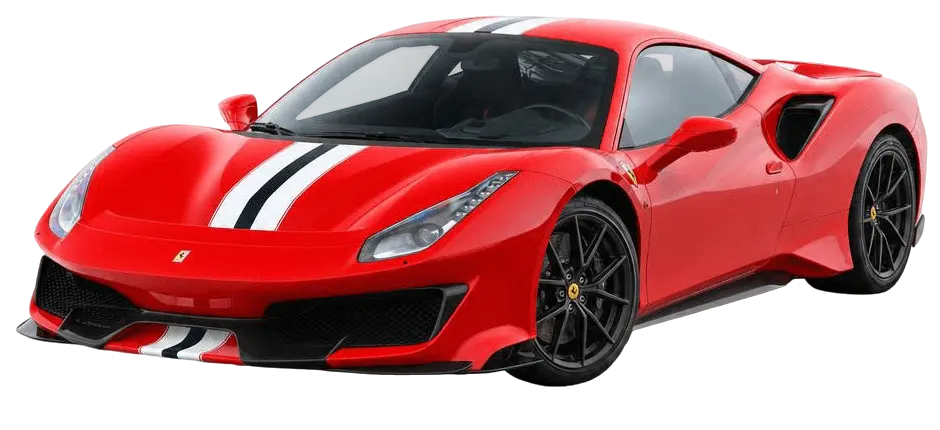
Lightweight, harder-edged editions of the mid-engined V8 cars — built in limited runs, the picks of each generation and the ones that hold their money.
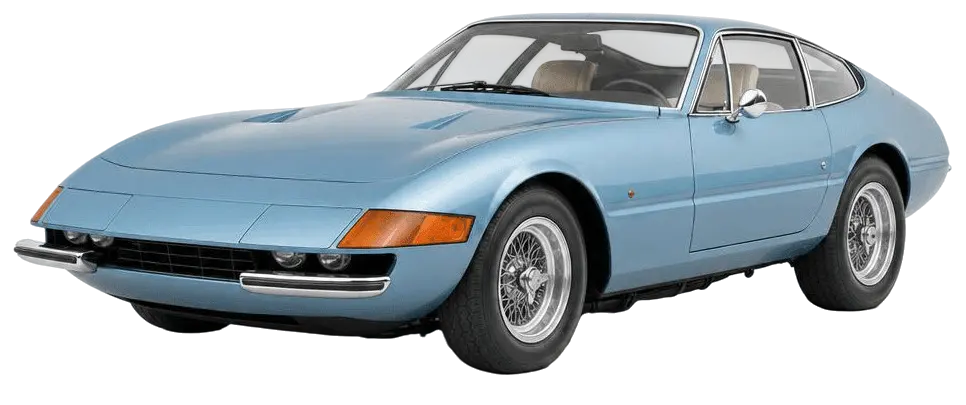
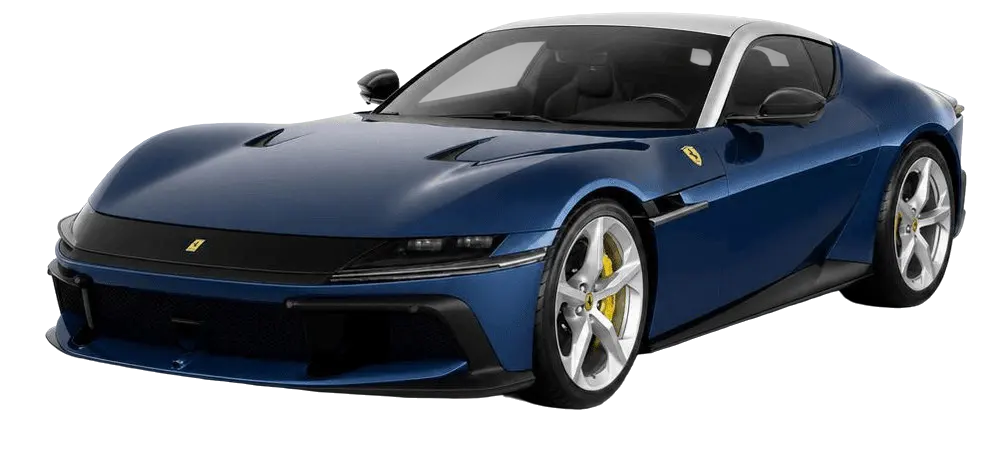
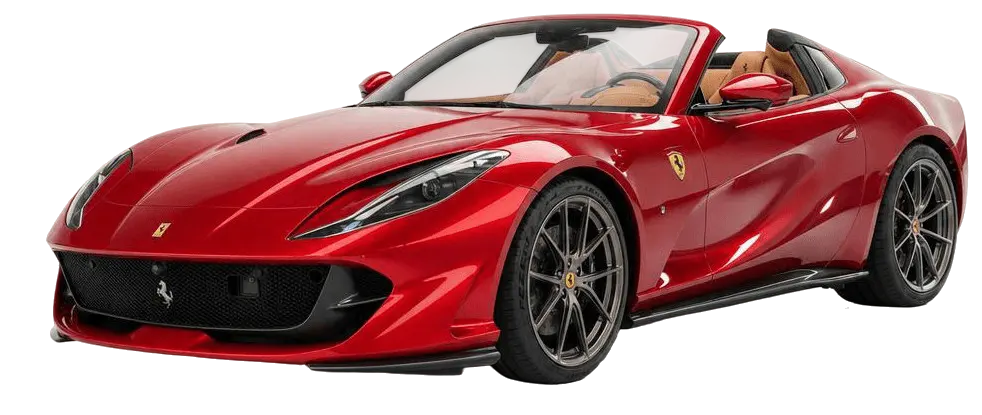
The classic Ferrari layout — a big V12 up front, two seats, a long bonnet. The collectible picks are the limited and homologation versions of each generation.
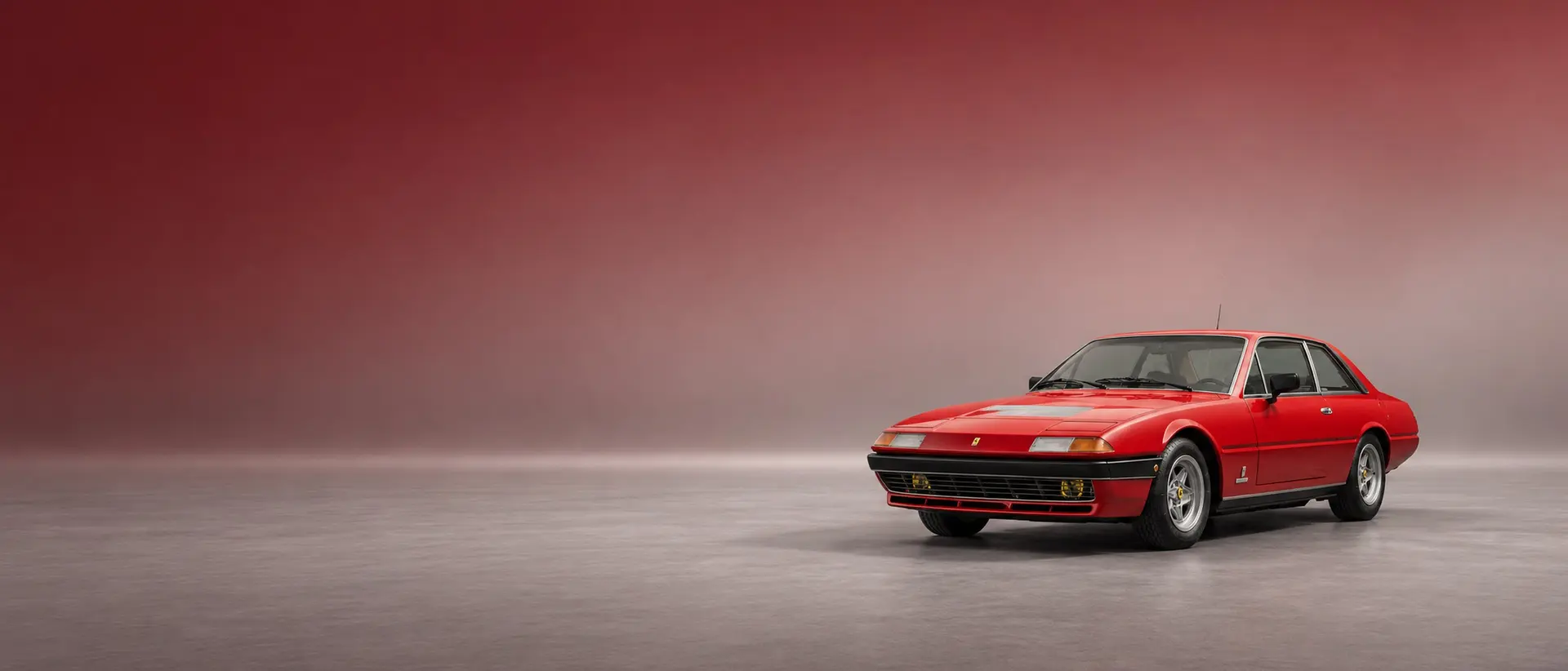
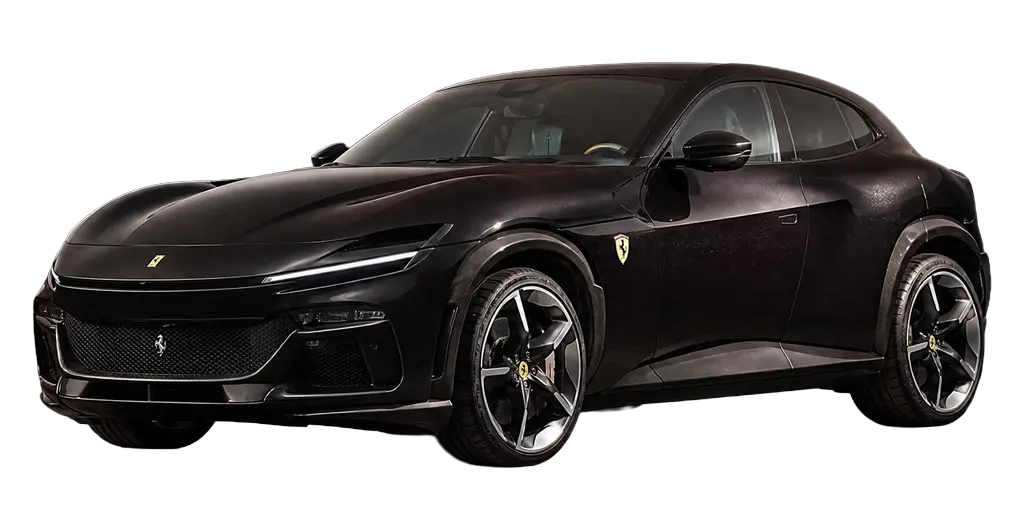
Ferrari's family side — the 2+2 tradition that led to the first four-door: V12s up front, seats for four, volumes kept deliberately scarce.
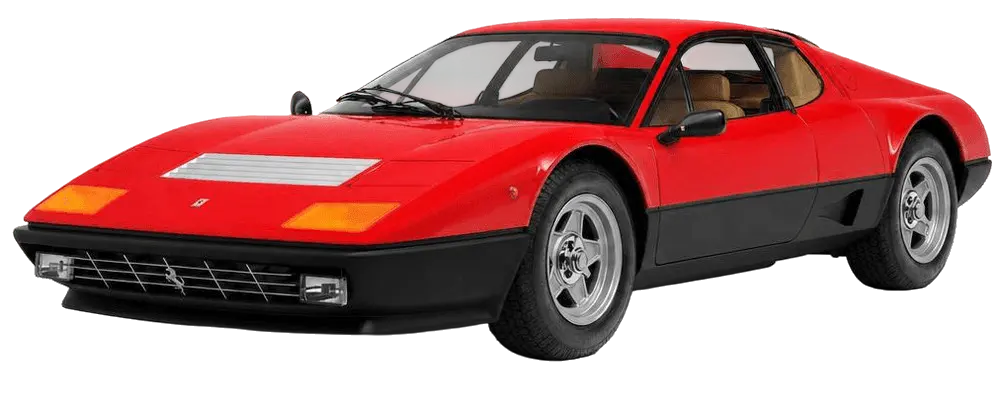
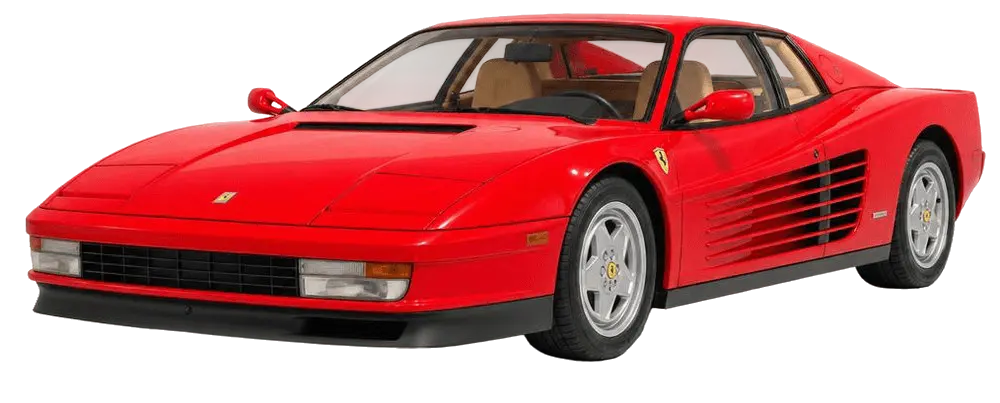
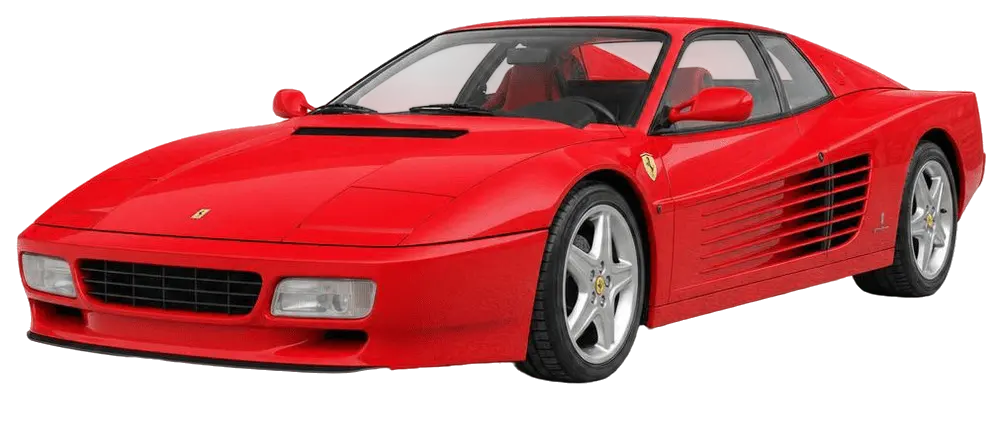
Ferrari’s mid-engined flat-12 road cars — the wedge Berlinetta Boxer and the wide, strakes-and-all Testarossa that defined the look of the 1980s.
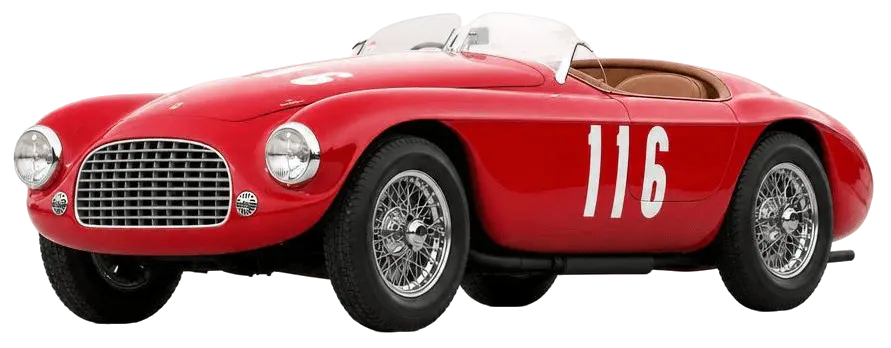
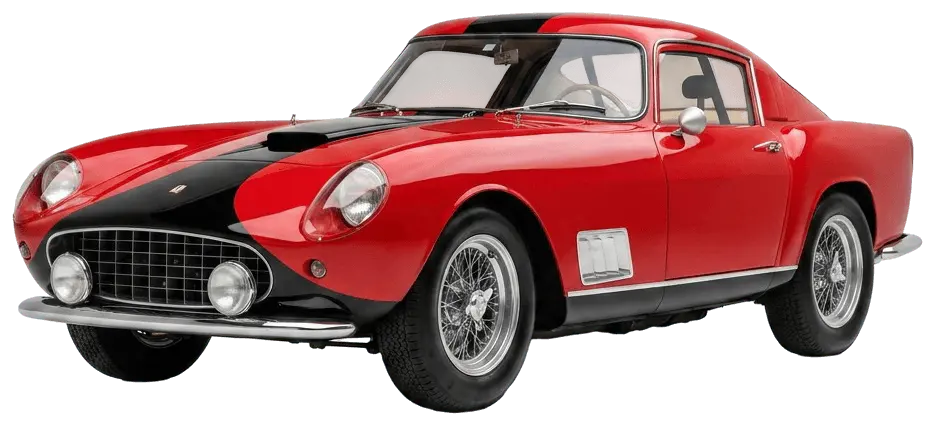
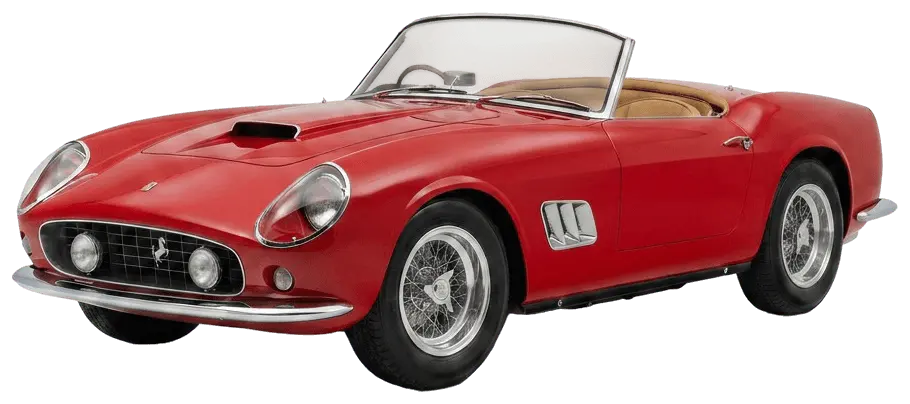
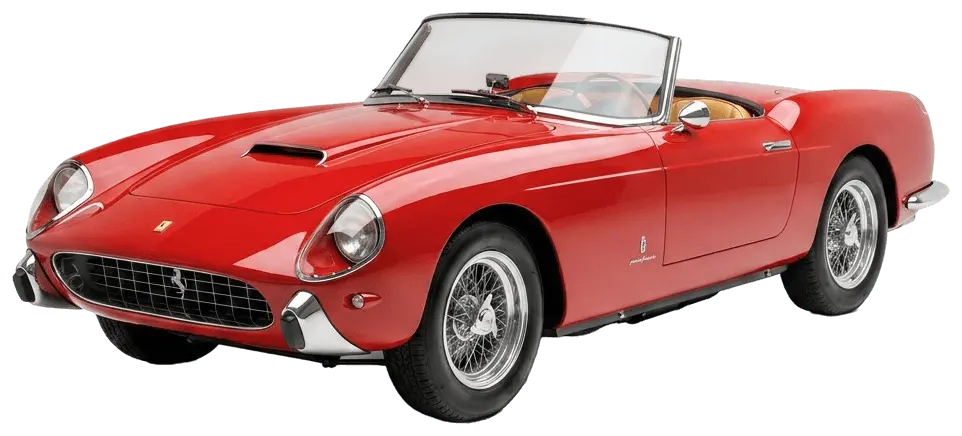
The cars that built the name and now sit at the very top of the market — coachbuilt V12 berlinettas and spiders from the Maranello of Enzo himself, led by the 250 GTO.
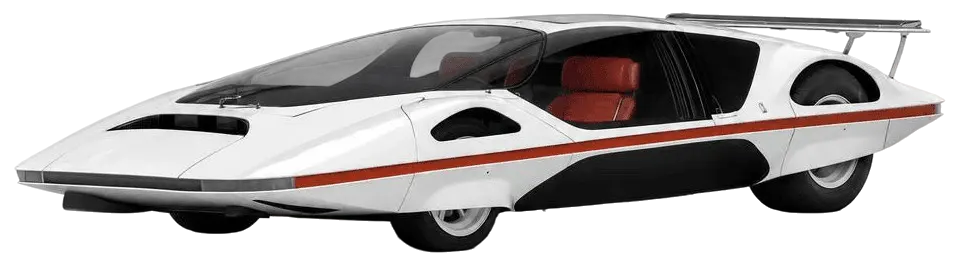
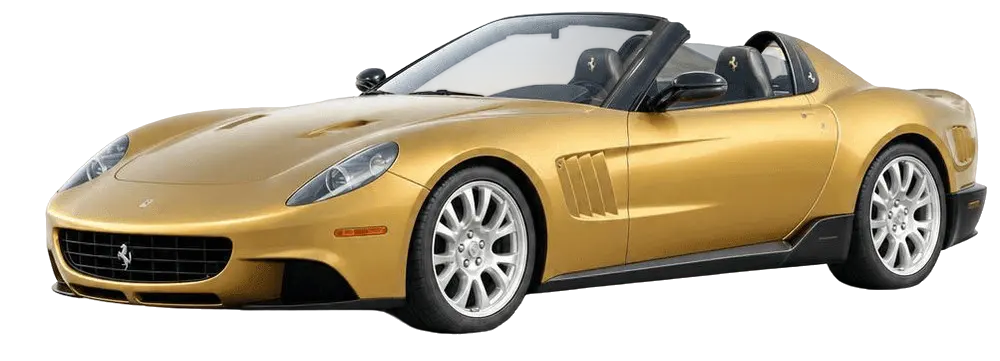
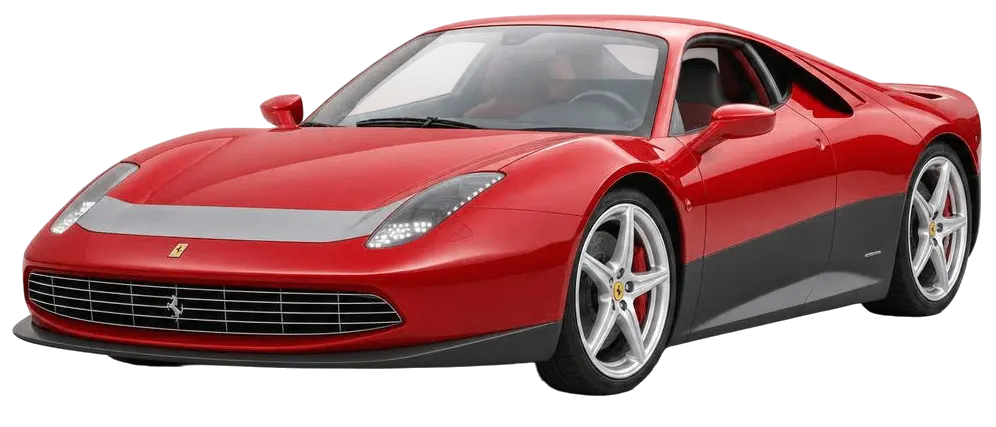
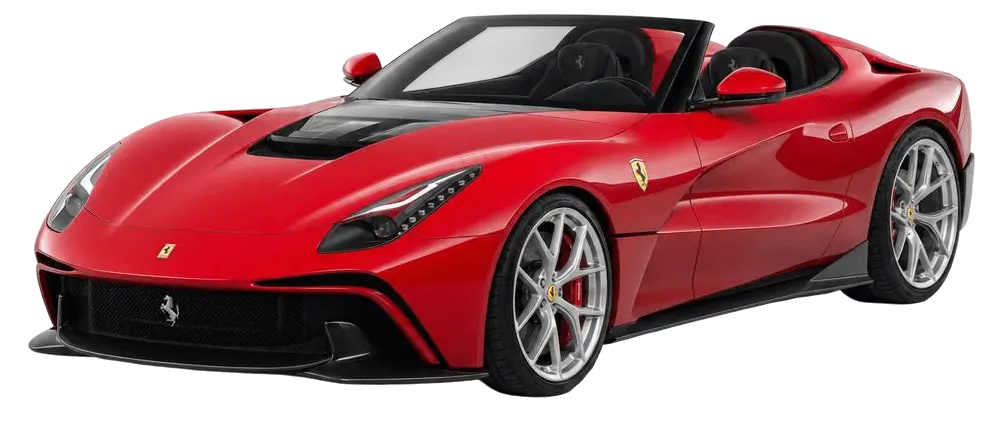
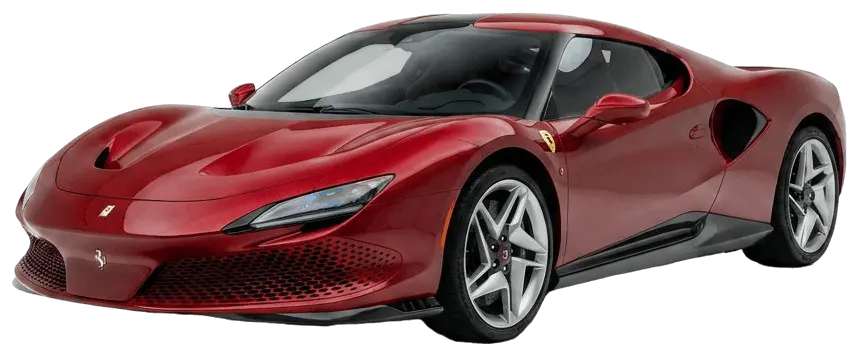
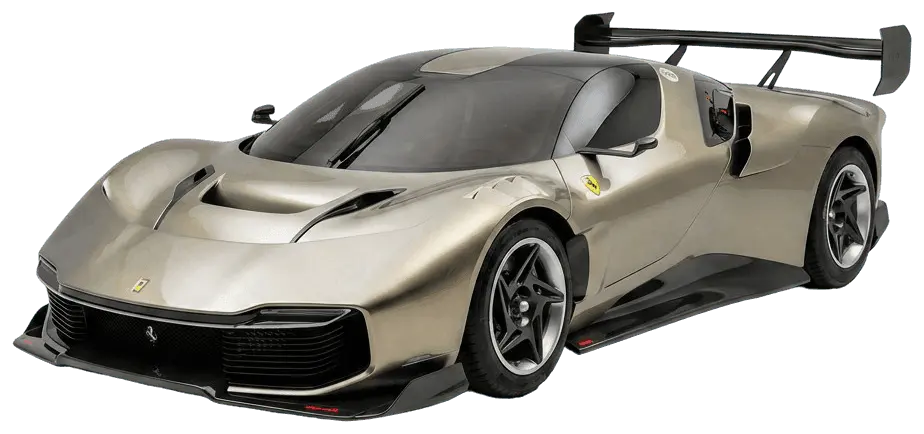
Cars built for a single client through Ferrari’s Special Projects programme, plus the great design studies. By definition the rarest things the factory makes.
The house
Enzo Ferrari built road cars to fund his racing. That order of priorities never changed, and it is the reason a Ferrari road car still feels like a competition machine that happens to be registered for the street.
From the V12 grand routiers of the 1950s to the twin-turbo F40 and today’s hybrid halo cars, Maranello has produced more blue-chip collectibles than any other manufacturer — including the 250 GTO, the most valuable car in the world.
No marque carries a stronger name on a title document. A Ferrari with the right history, the right colour and an unbroken chain of ownership sets the ceiling the rest of the market looks up to.
Selected milestones
1947
The first Ferrari
The 125 S establishes Ferrari as a manufacturer in its own right.
1962
The 250 GTO era
The competition-focused 250 becomes the reference point for a dual-purpose Ferrari.
1987
F40
A stripped, twin-turbo flagship makes the supercar line a defining modern chapter.
2013
Hybrid halo
LaFerrari brings hybrid assistance to the marque flagship while retaining a V12 at its core.
What defines Ferrari
The road-car story is closely tied to Ferrari competition programmes and homologation thinking.
Front-engined V12 grand tourers form a long-running reference line across the catalogue.
For collectible examples, period specification, provenance and ownership records remain material.
The hands
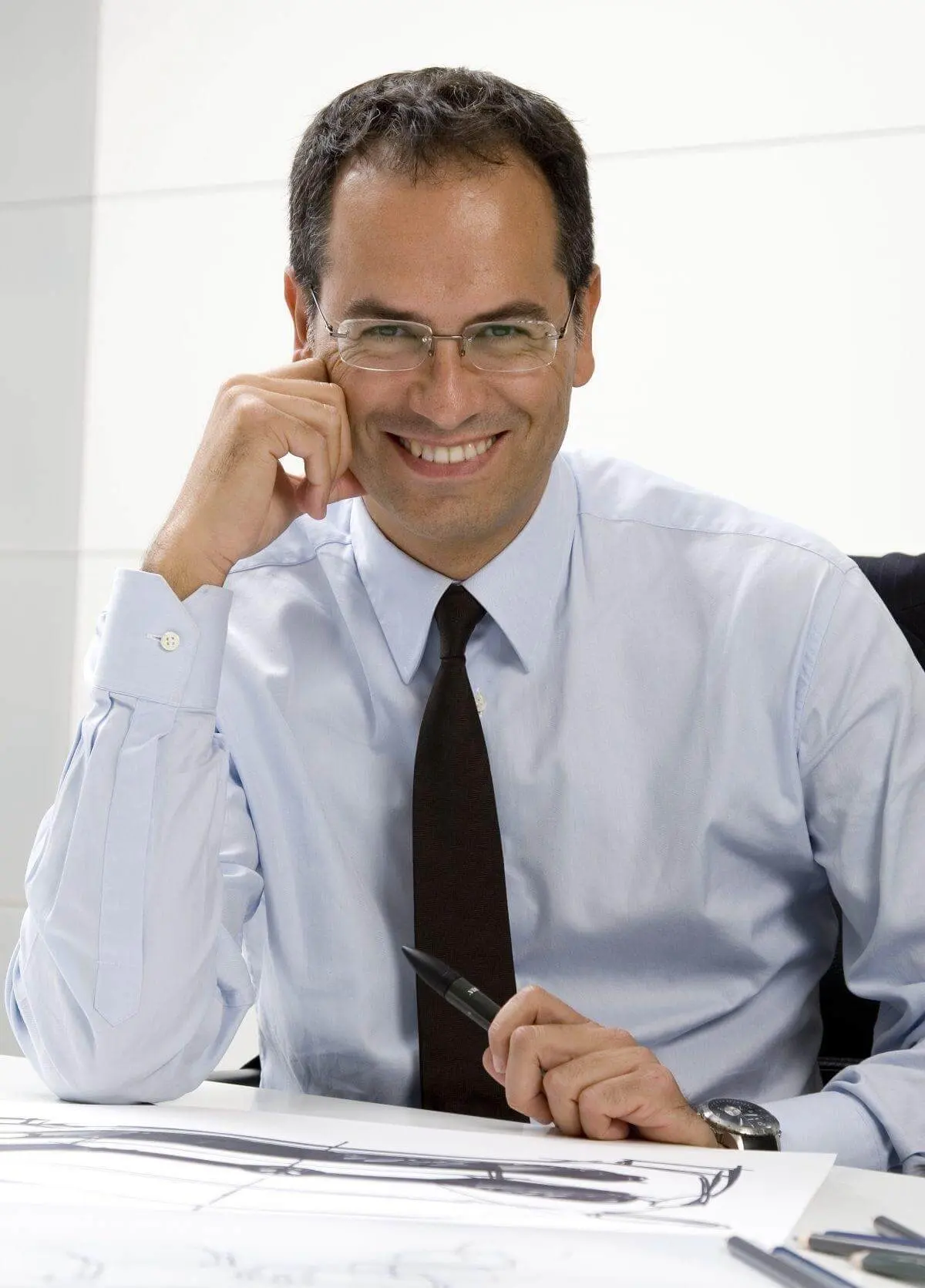
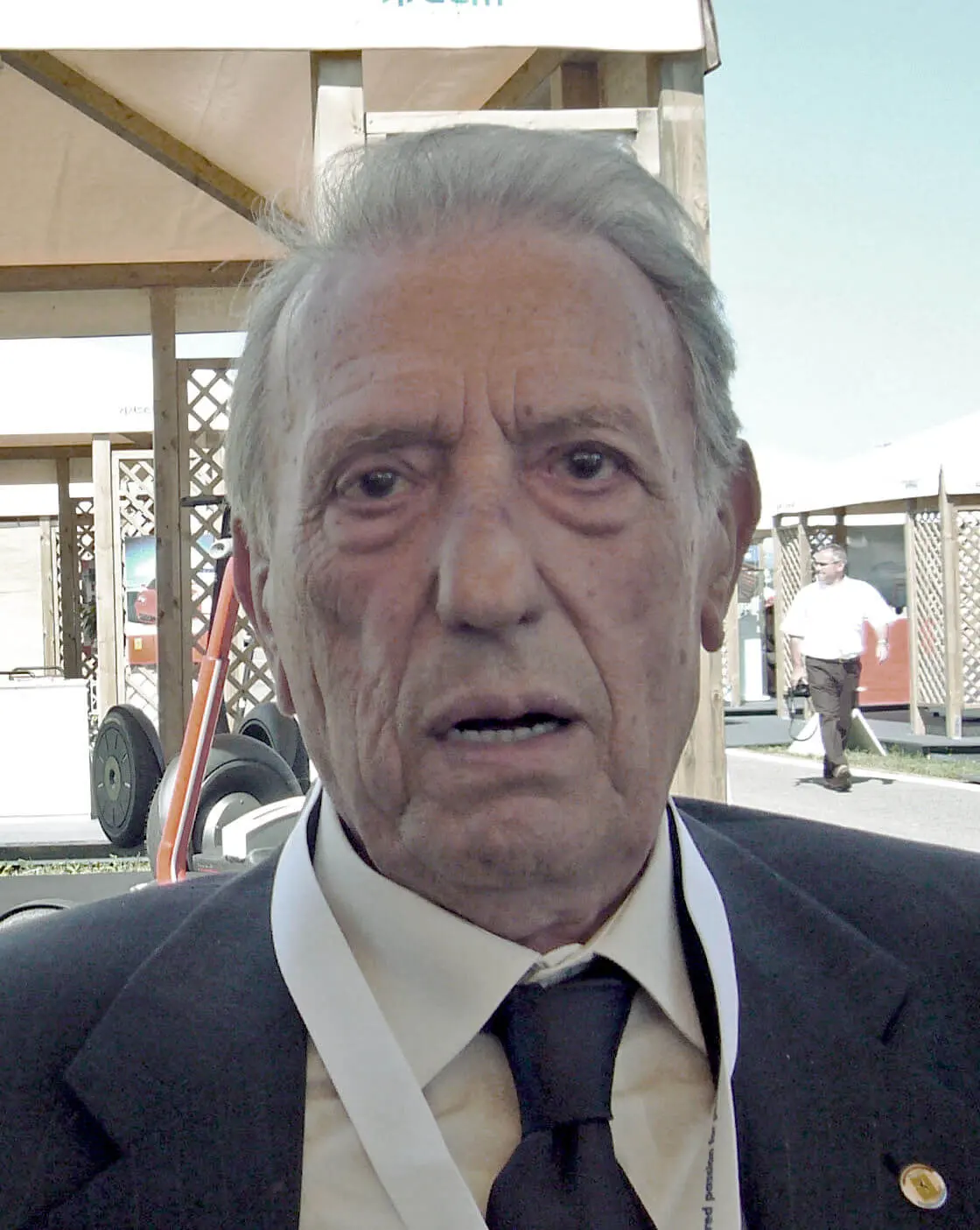
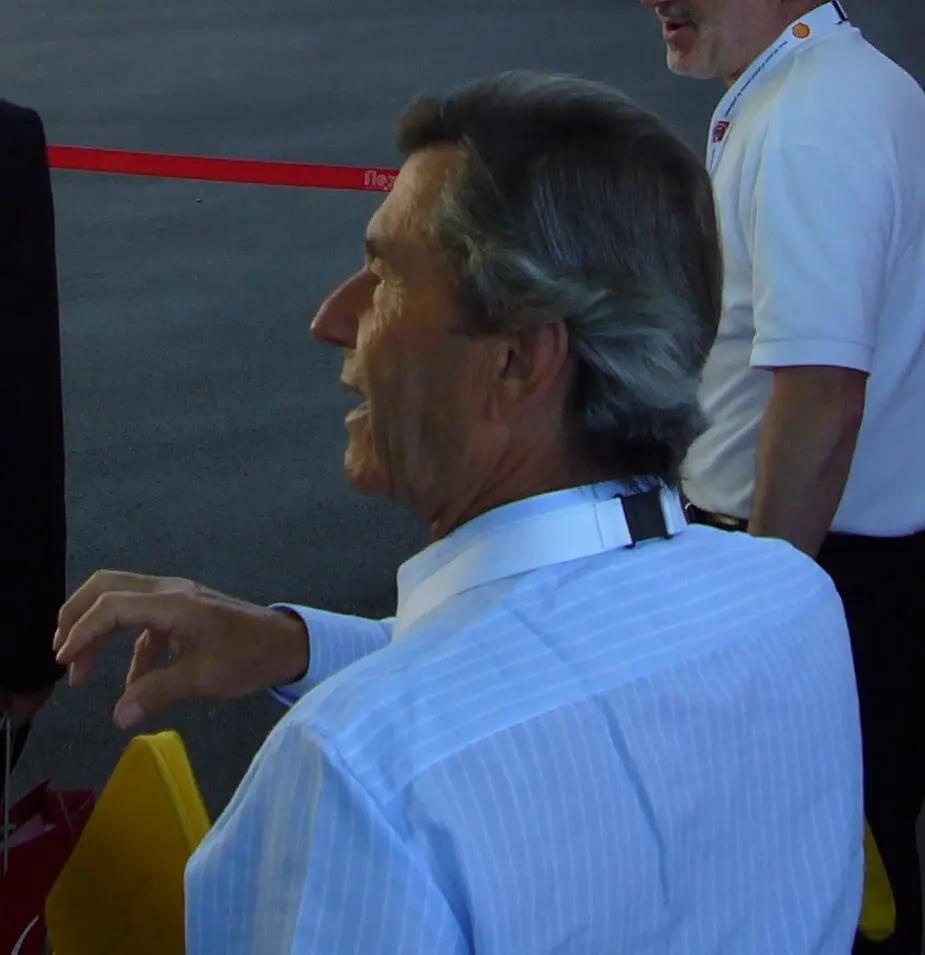
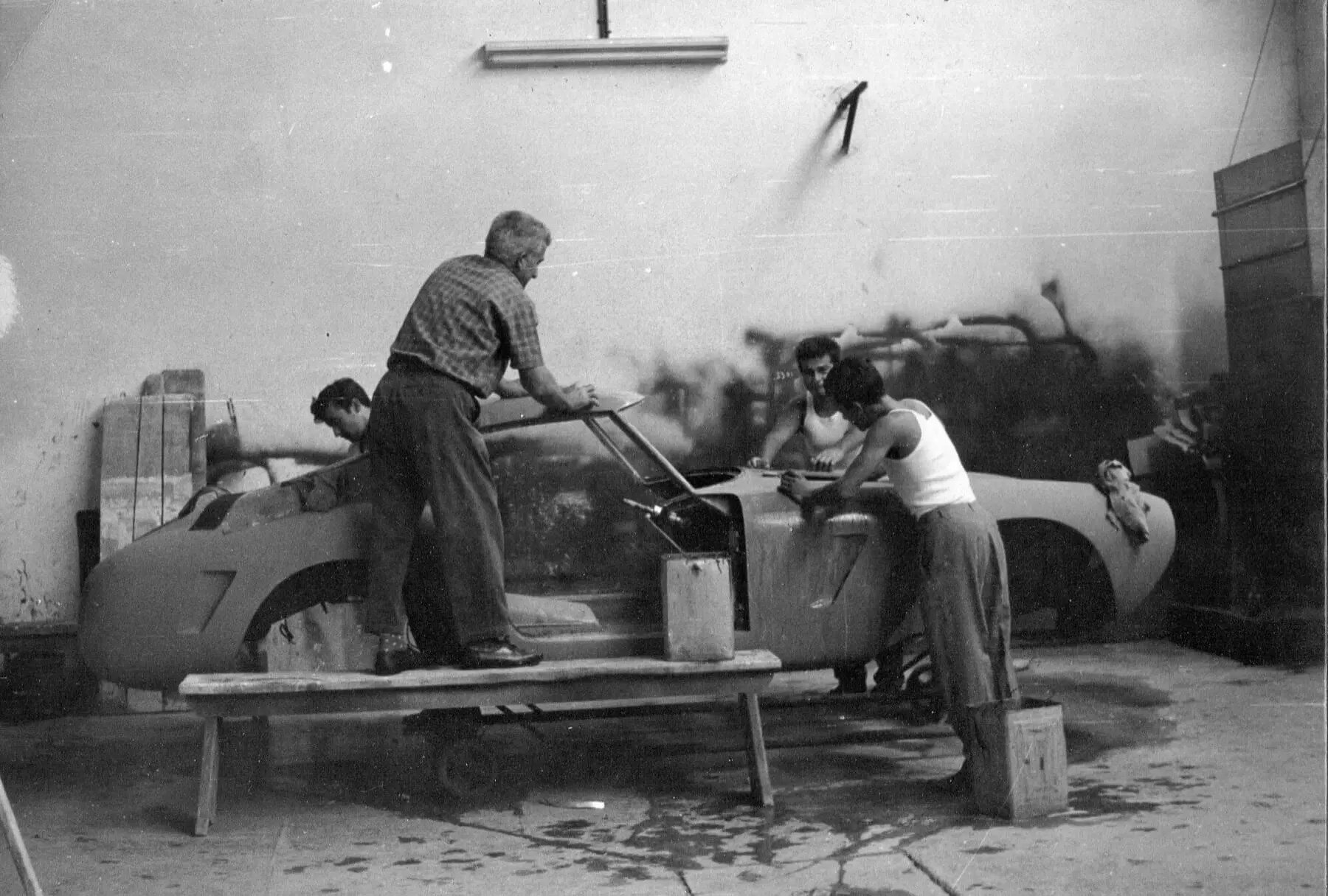
5 names in the register stand behind this manufacturer. Each has a file of their own, following the work wherever it went.
The mark
Ravenna, 1923: Enzo Ferrari wins at the Savio circuit and is received by the parents of Francesco Baracca, Italy’s greatest fighter ace, who had flown a prancing horse on the side of his aircraft. Countess Paolina’s suggestion survives in a single line — put my son’s horse on your cars, it will bring you luck.
Ferrari kept the horse black, as Baracca painted it, and set it on canary yellow: the colour of Modena, his home town. The badge first raced on the Scuderia’s Alfa Romeos at the Spa 24 Hours in July 1932 — and won. It has been on everything since.
1932–1947
The Scuderia’s shield — Baracca’s horse over the S F, first worn at Spa in 1932.
1947–1951
Onto Ferrari’s own cars with the 125 S — the road badge becomes a rectangle, the name beneath the horse.
1951–1981
The long-serving cut — tricolore above, script below, three decades on every nose.
1981–1994
A heavier horse in a silvered frame.
1994–2002
Flattened and brightened — the yellow turns electric.
2002–
The modern redraw: a more muscular horse, the tricolore fused to a single band.