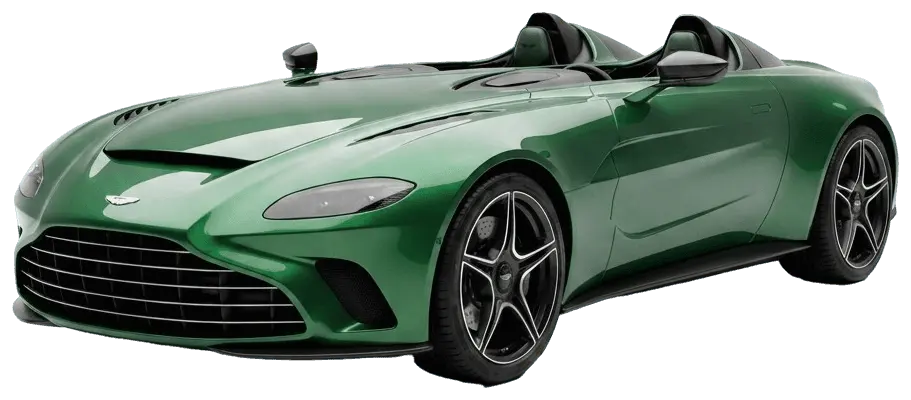
Grand touring as the base
Front-engined, two-door GTs form the continuous road-car line from DB2 through DB12.
Gaydon, England · est. 1913
The grand tourer is the base; racing and coachwork set the hierarchy.
Curated entry points
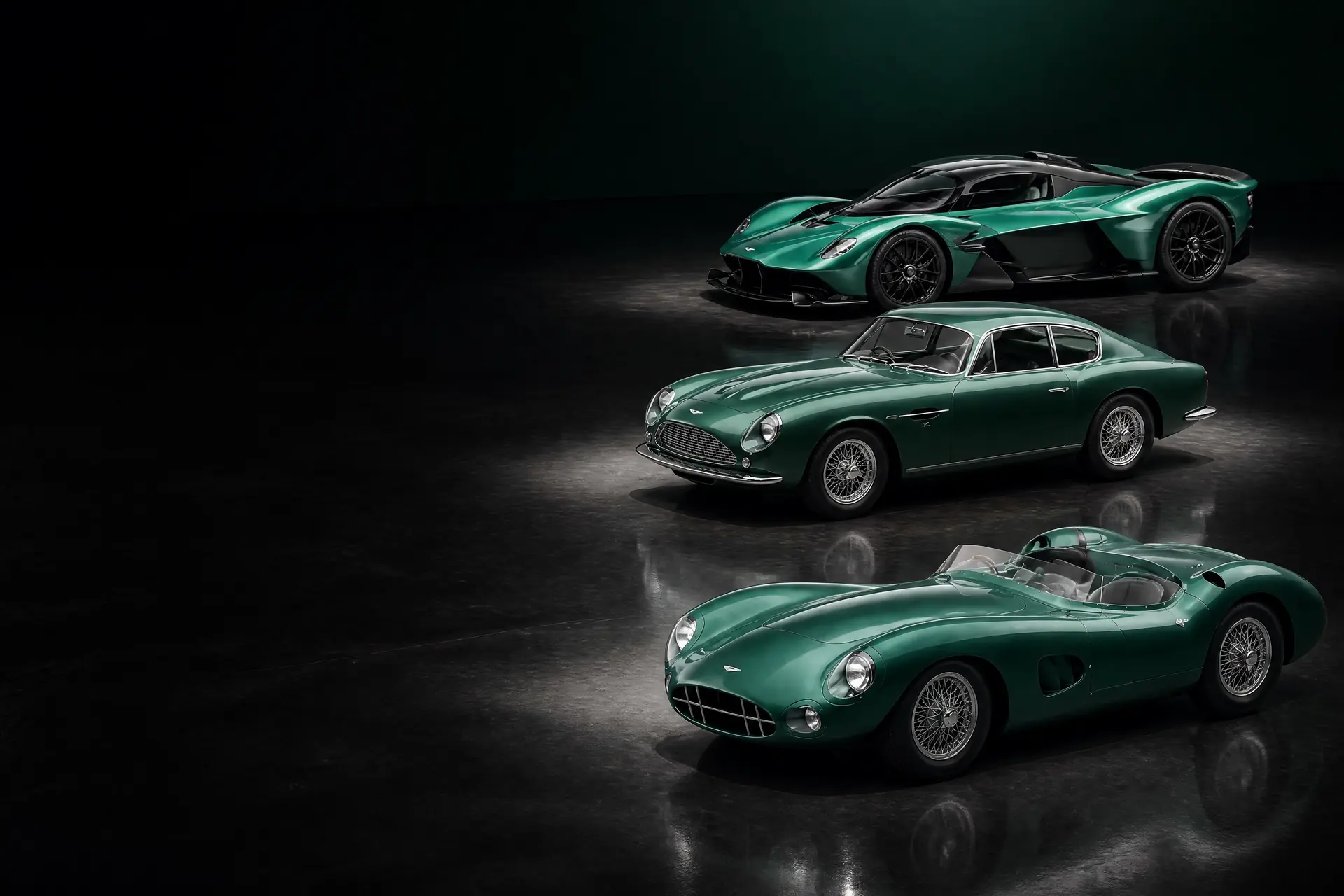
Three cars that explain the manufacturer: its origins, its engineering peak and the shape of its modern ambition.
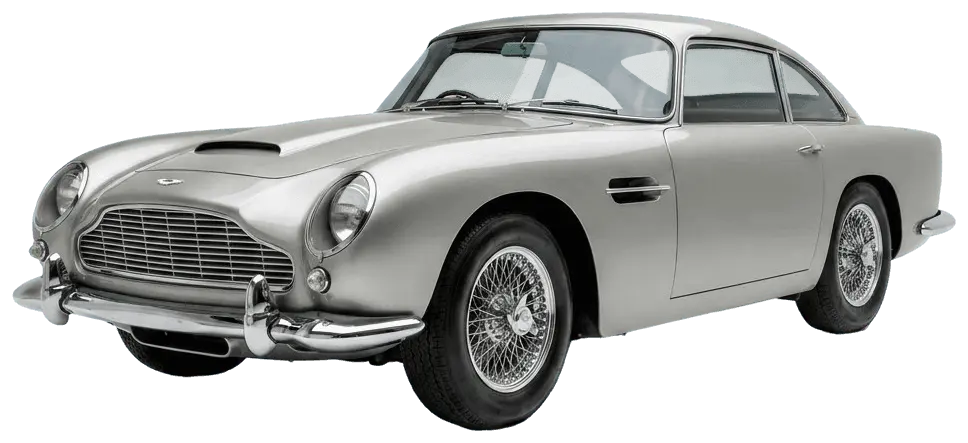
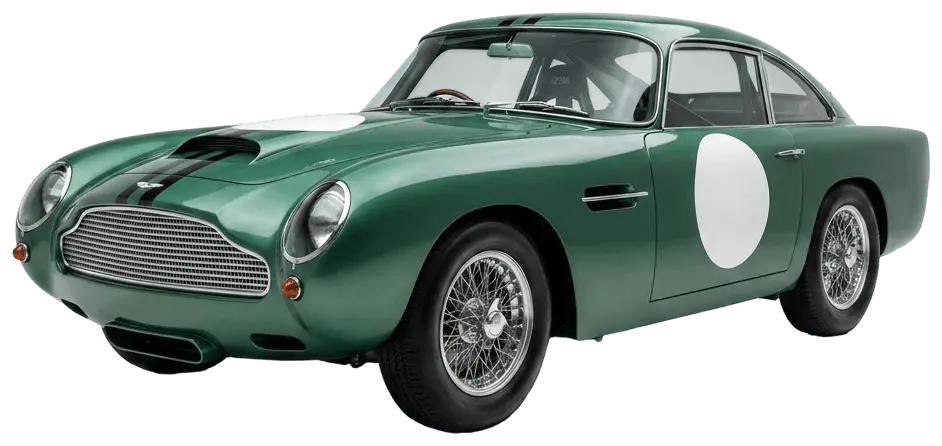
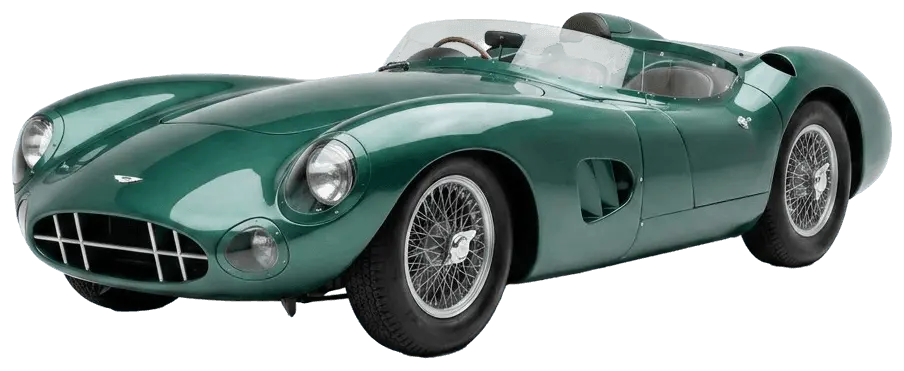 1956–1959
Le Mans winner; five built, a championship sports-racer.
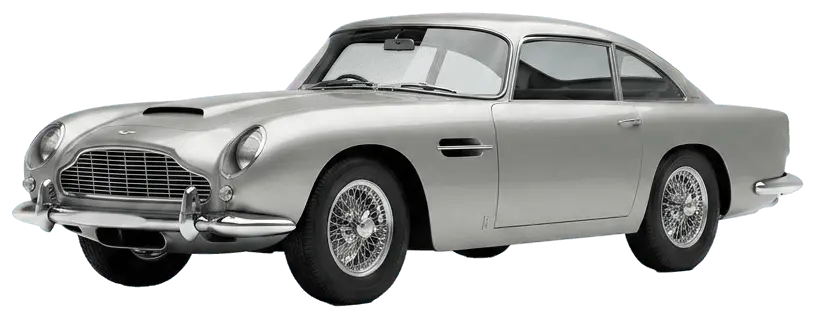
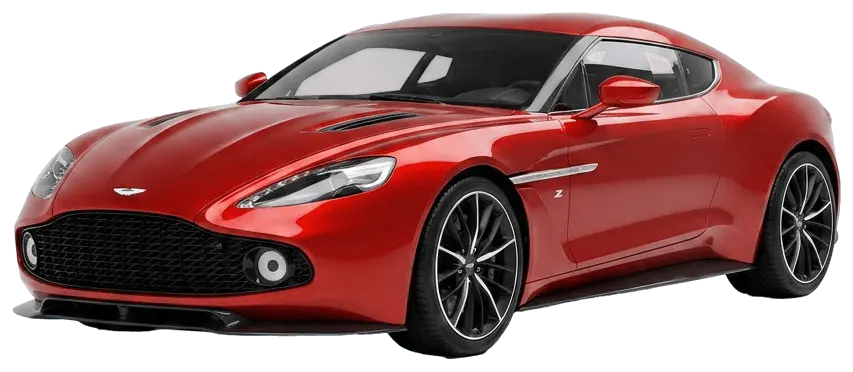
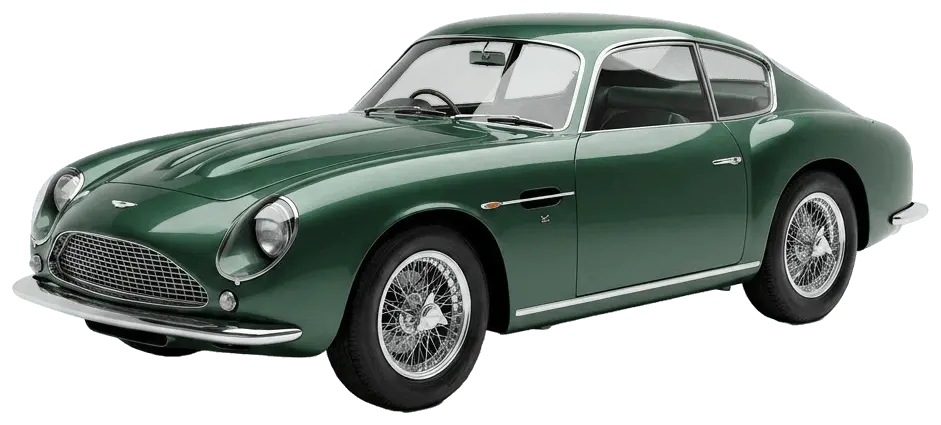 1960–1963
Lightweight Zagato-bodied GT; nineteen originals, fiercely prized.
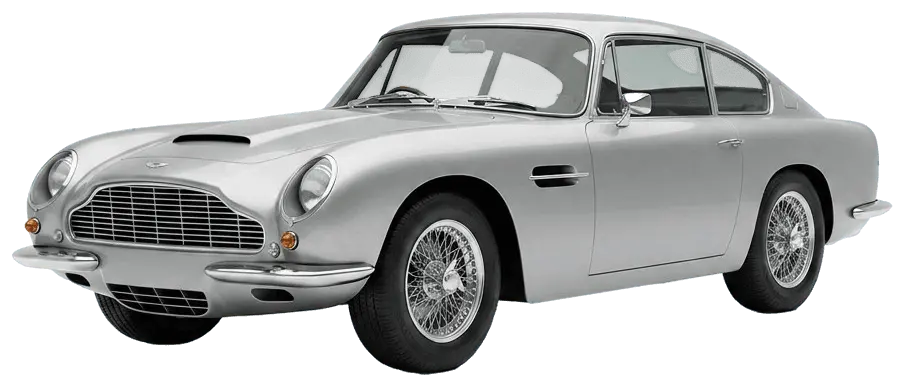
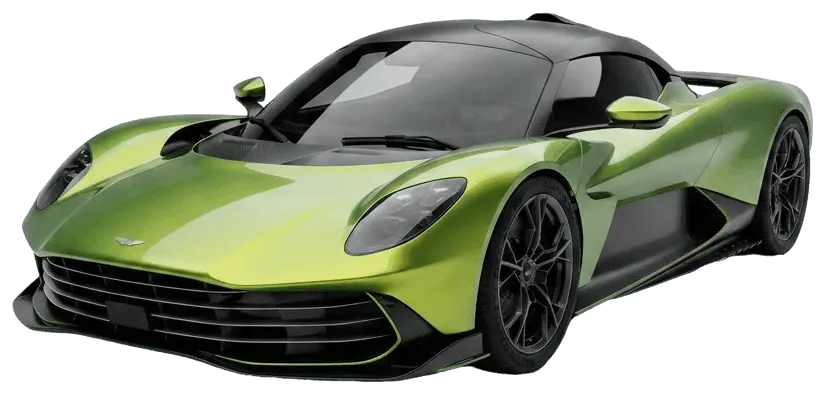
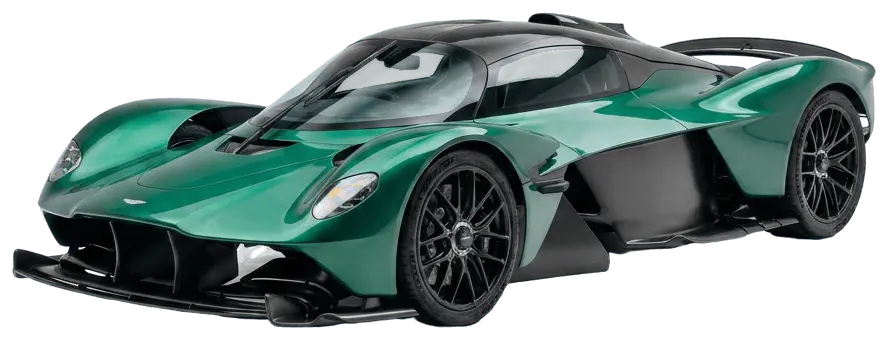 2021–
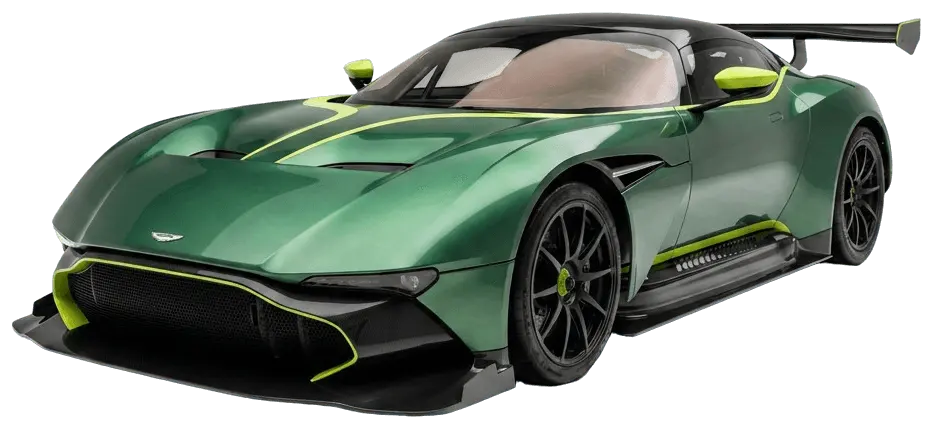
2021–Red Bull-engineered, F1-grade Cosworth V12 road hypercar.
Complete catalogue
16 models · 3 families
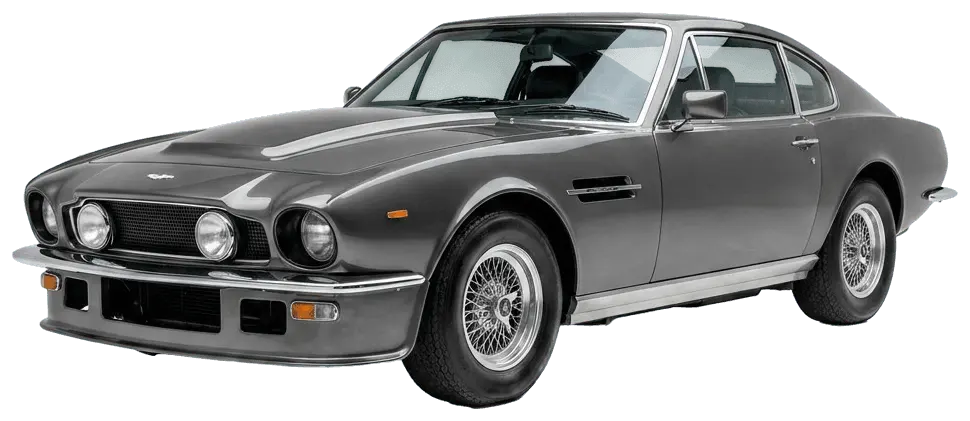
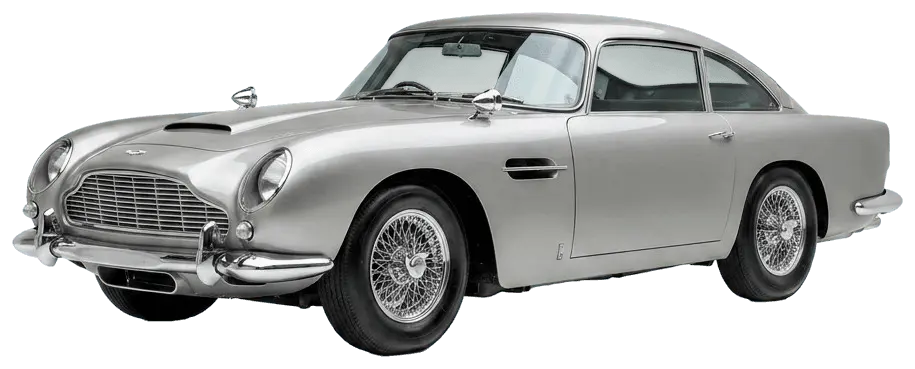
The cars that built the legend — hand-formed aluminium from Newport Pagnell and Milan, the Bond DB5 among them. The blue-chip core of any serious collection.
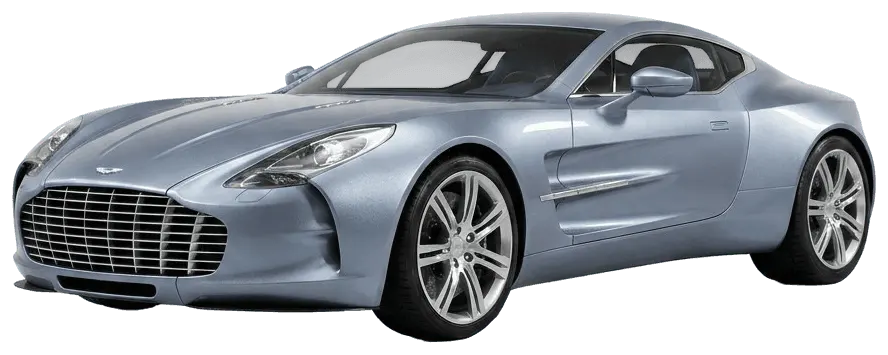
Aston at full intensity — from the One-77 to the Red Bull-engineered Valkyrie. Naturally aspirated V12s and Formula 1 aerodynamics, in the smallest of numbers.
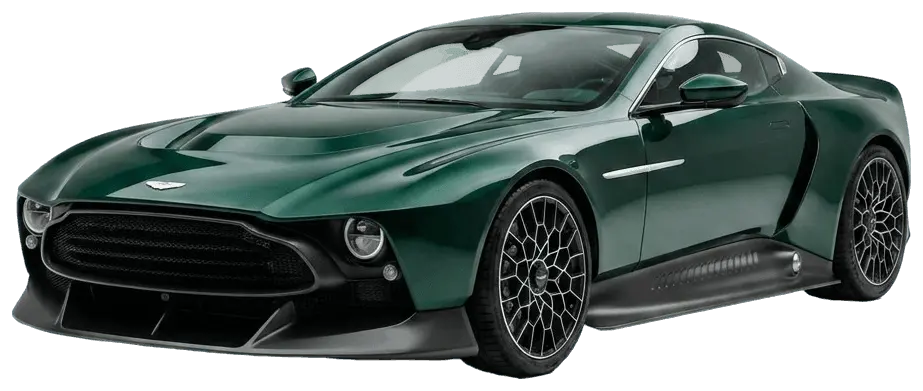
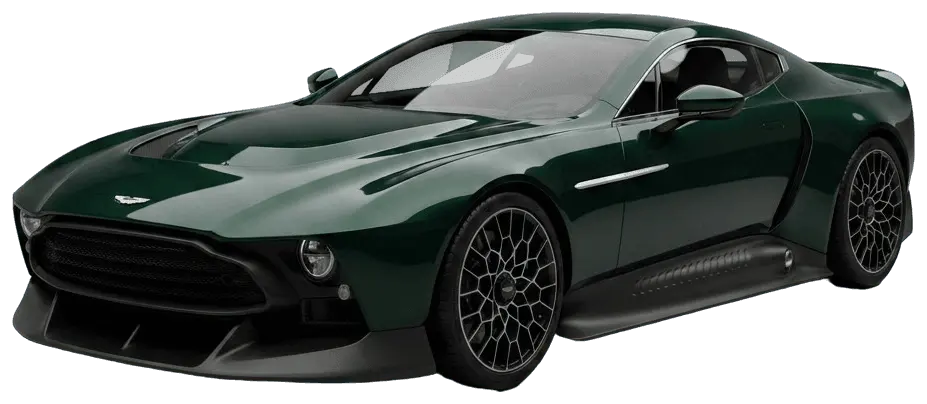
Newport Pagnell craft applied to tiny runs — Zagato collaborations, sanction-built continuation classics and bespoke commissions like the unrepeatable Victor.
The house
Lionel Martin and Robert Bamford founded the company in 1913, the name borrowed from the Aston Clinton hillclimb where Martin raced. A century of near-bankruptcies followed, and the cars that survived it became some of the most coveted gran turismos ever built.
The DB era under David Brown set the template — the DB4 GT Zagato married Newport Pagnell craft to Milanese aluminium, and the DB5 became cinema itself the moment Sean Connery slid behind the wheel as James Bond. Carrozzeria Zagato has returned to clothe Astons ever since.
On the track the DBR1 won Le Mans and the 1959 World Sportscar Championship. Today the Valkyrie, born of a Red Bull Racing partnership, drags that competition heritage into the hypercar age alongside continuation DB4s and bespoke one-offs.
Selected milestones
1913
Bamford & Martin
Robert Bamford and Lionel Martin establish the London business that develops the first Aston Martin.
1947
David Brown and Lagonda
David Brown buys Aston Martin in February and Lagonda in September, securing the six-cylinder engine that powers DB2 and begins the DB line.
1959
The works programme delivers
DBR1 takes first and second at Le Mans as Aston Martin also secures the World Sports Car Championship.
1960
The Zagato branch
A shorter, lighter DB4 GT receives Zagato coachwork; only nineteen originals are completed.
2003
Gaydon and DB9
Aston Martin moves to its first purpose-built factory and unveils DB9, whose aluminium engineering becomes the basis for the next road-car generation.
2021
Valkyrie enters production
The first customer Valkyrie is completed at Gaydon; its hybrid-assisted V12 and aerodynamics-led engineering establish a new technical branch.
What defines Aston Martin
Front-engined, two-door GTs form the continuous road-car line from DB2 through DB12.
Works racing programmes inform engines, structures and the higher-performance branches of the catalogue.
Shorter chassis, lighter panels and Zagato bodies are developed as substantive variants rather than trim packages.
The hands
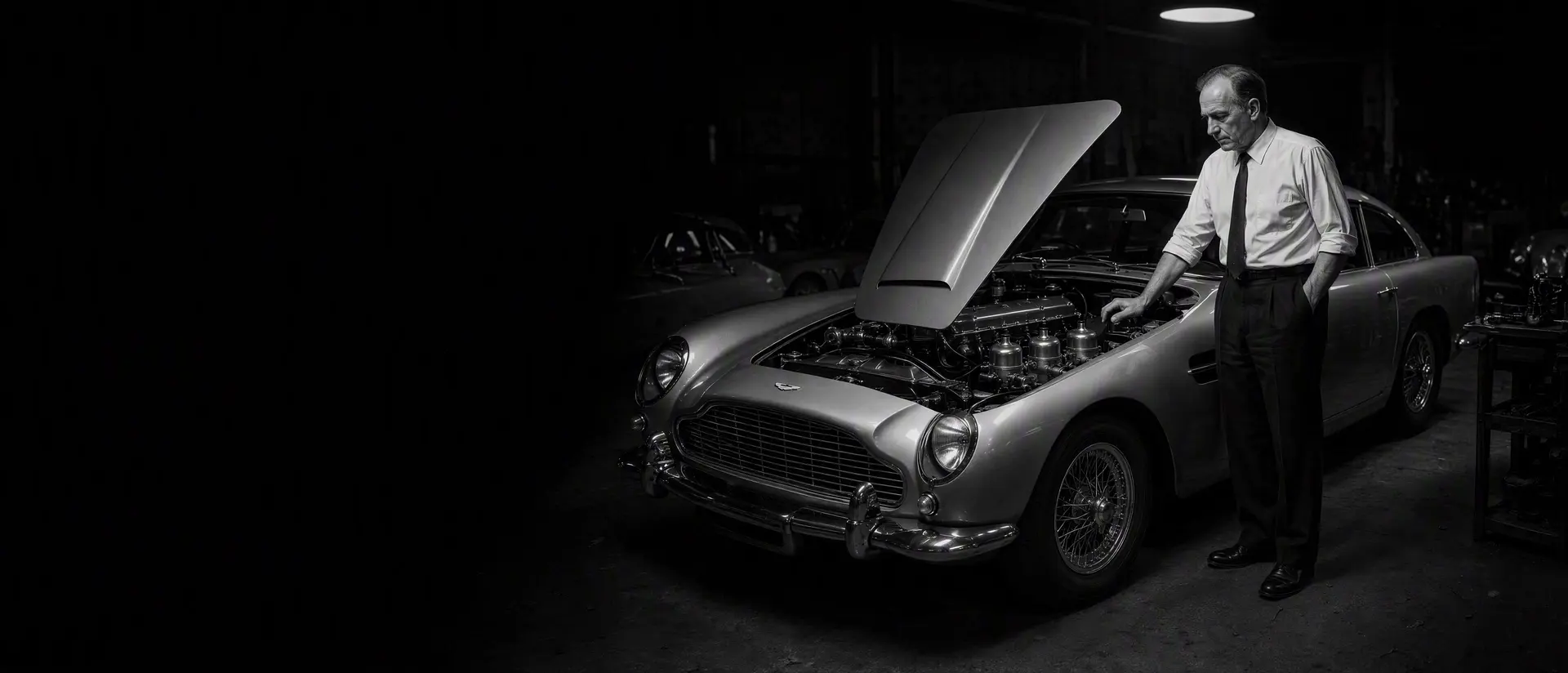
One name in the register stands behind this manufacturer. Their own file follows the work wherever it went.
The mark
The first badge, 1921: an A laid over an M in a plain ring — the button. Wings arrived in 1927, and nobody recorded whose hand drew them. The version that stuck came in 1932 from S. C. H. “Sammy” Davis, sports editor of The Autocar and a Le Mans winner: his interest in Egyptology gave the feathers the scarab’s geometry, a structure that took enamel well. It flew first on the LM1 racer he drove himself.
Ninety years later the change was subtraction: Peter Saville’s 2022 refresh — only the eighth in the company’s history — removed a single line and let the type breathe. The physical badge is still made by hand, at Vaughtons in Birmingham’s jewellery quarter.
S. C. H. “Sammy” Davis, 1932 · refreshed with Peter Saville, 2022
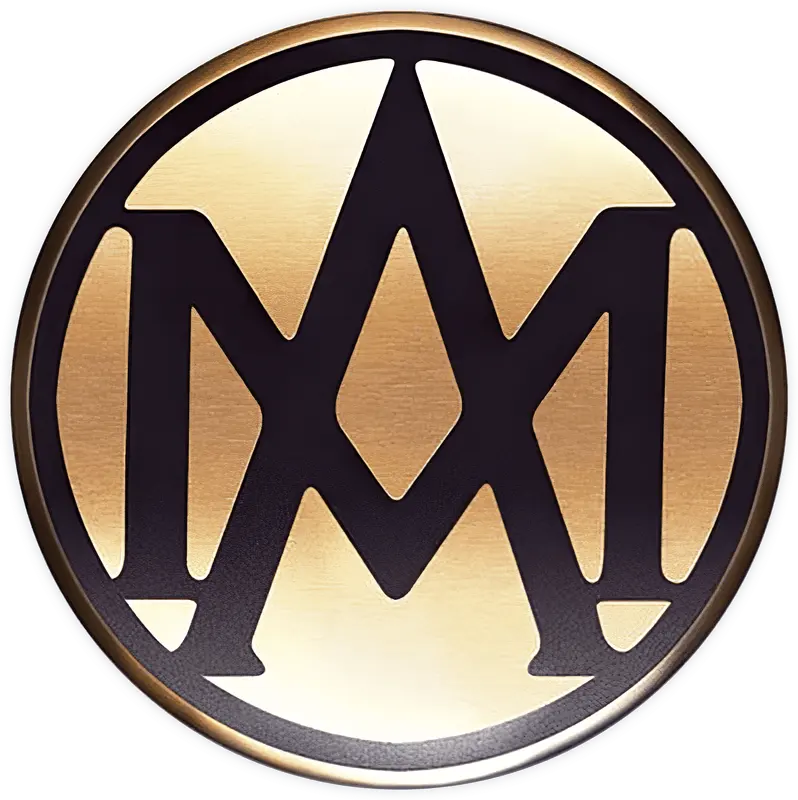
1921–1926
The button: A over M in a ring, before the wings.
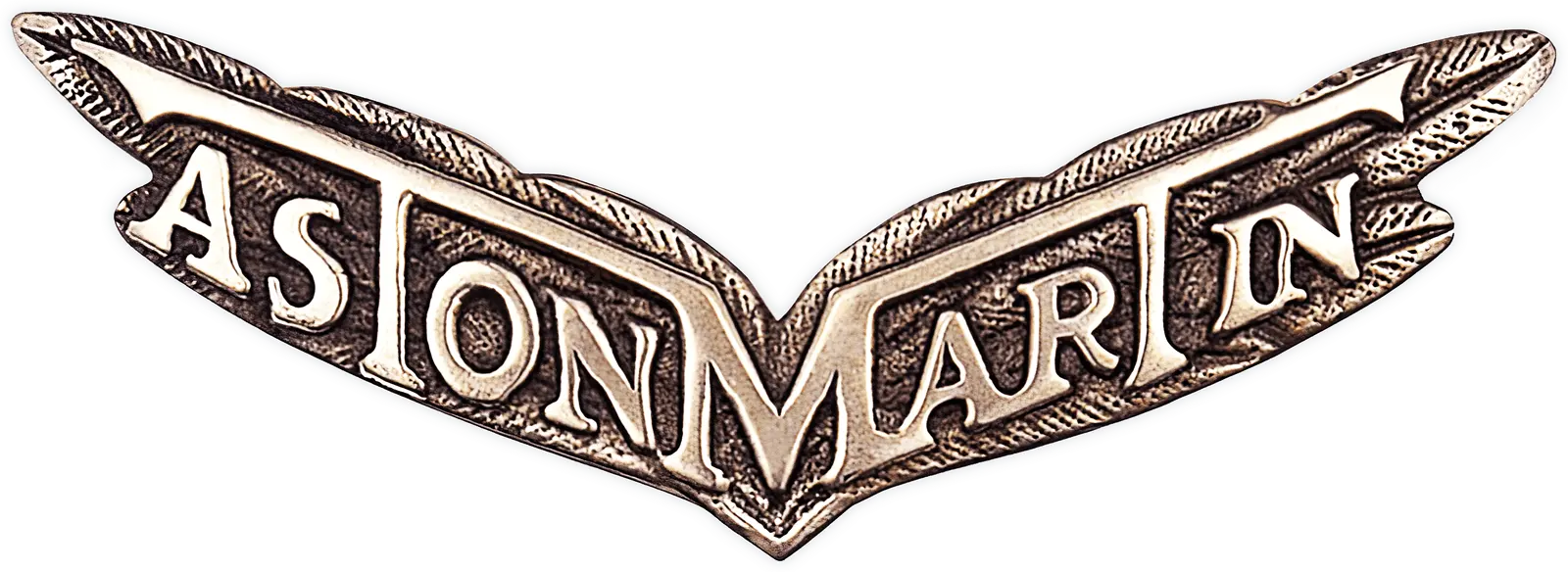
1927–1930
The first wings — the hand that drew them was never recorded.
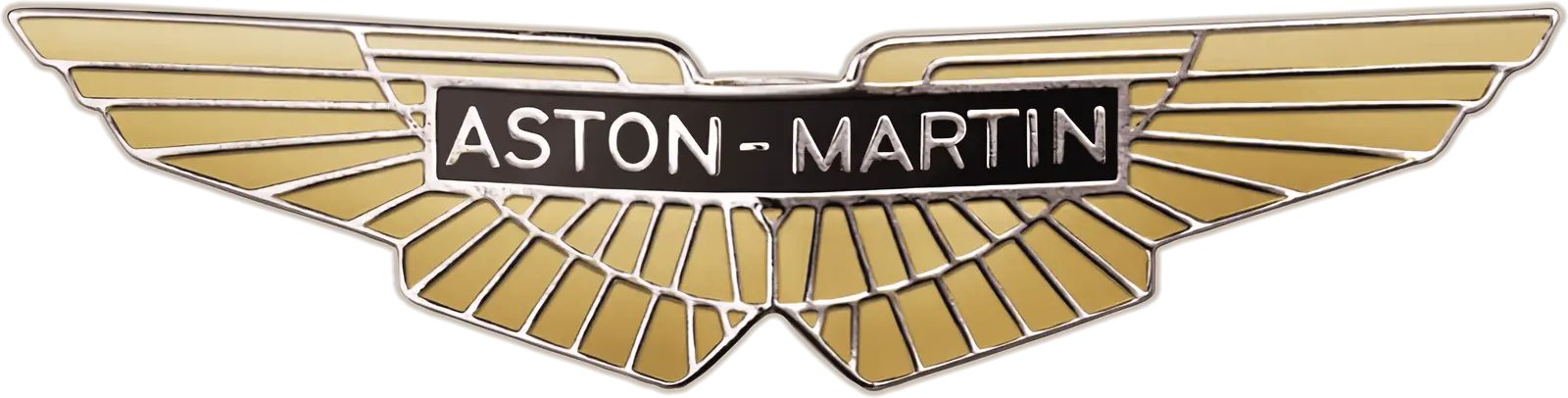
1932–1939
Davis’s redraw: scarab geometry, built to take enamel.
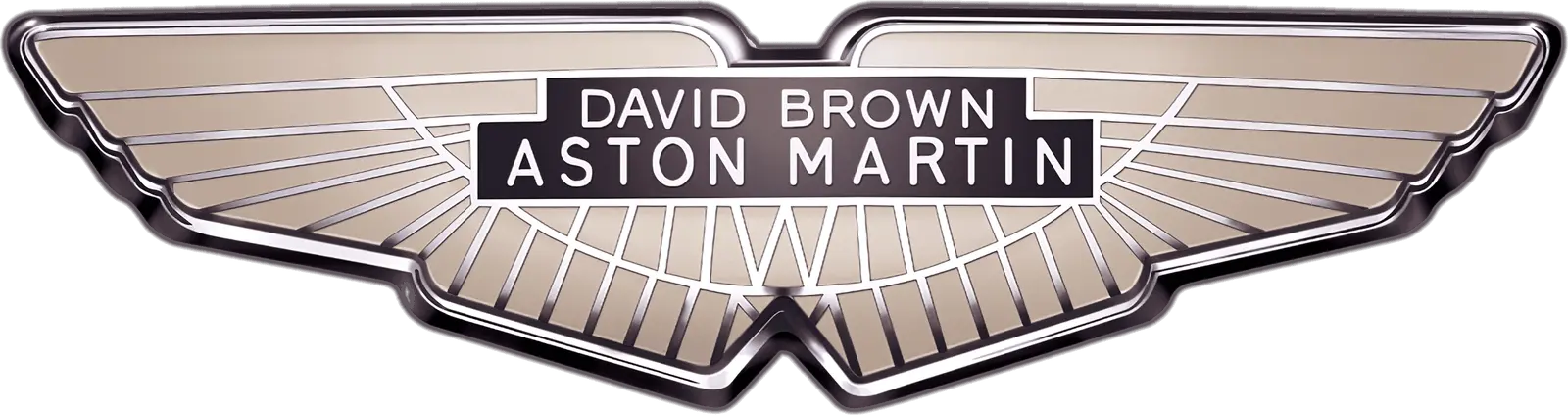
1950–1971
David Brown buys the company and puts his name over the wings.
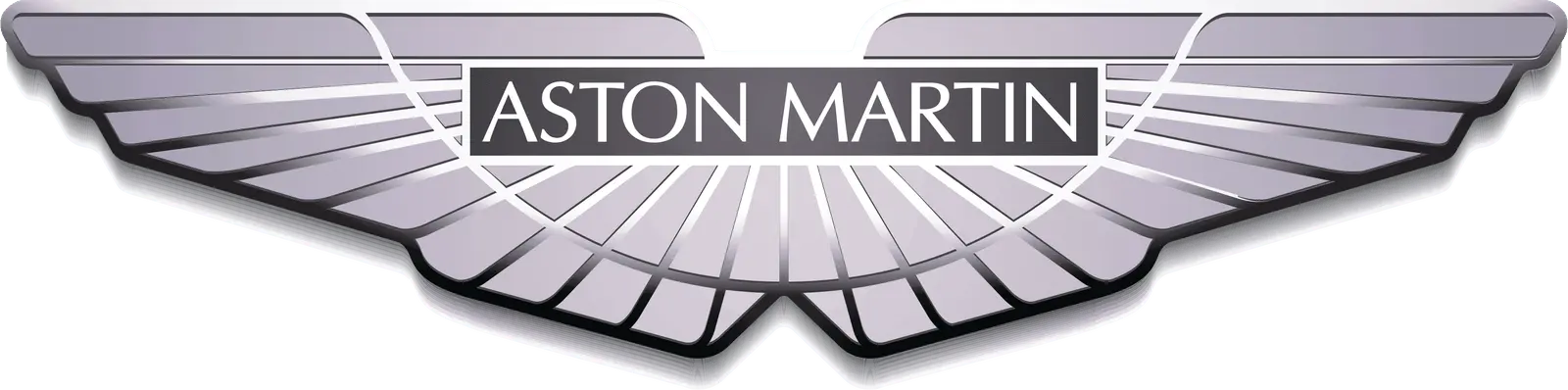
2003–2022
The 2003 cut — the wings the modern era wore.
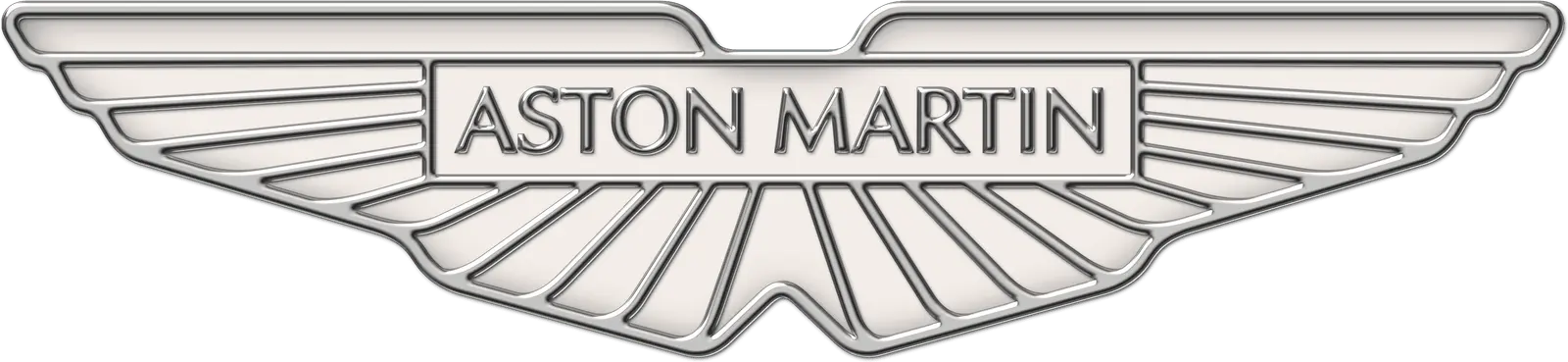
2022–
Saville’s refresh: one line removed, hand-made in Birmingham.