Heritage · Ferrari F40
“I asked the engineers to build a car to be the best in the world. And now the car is here.”
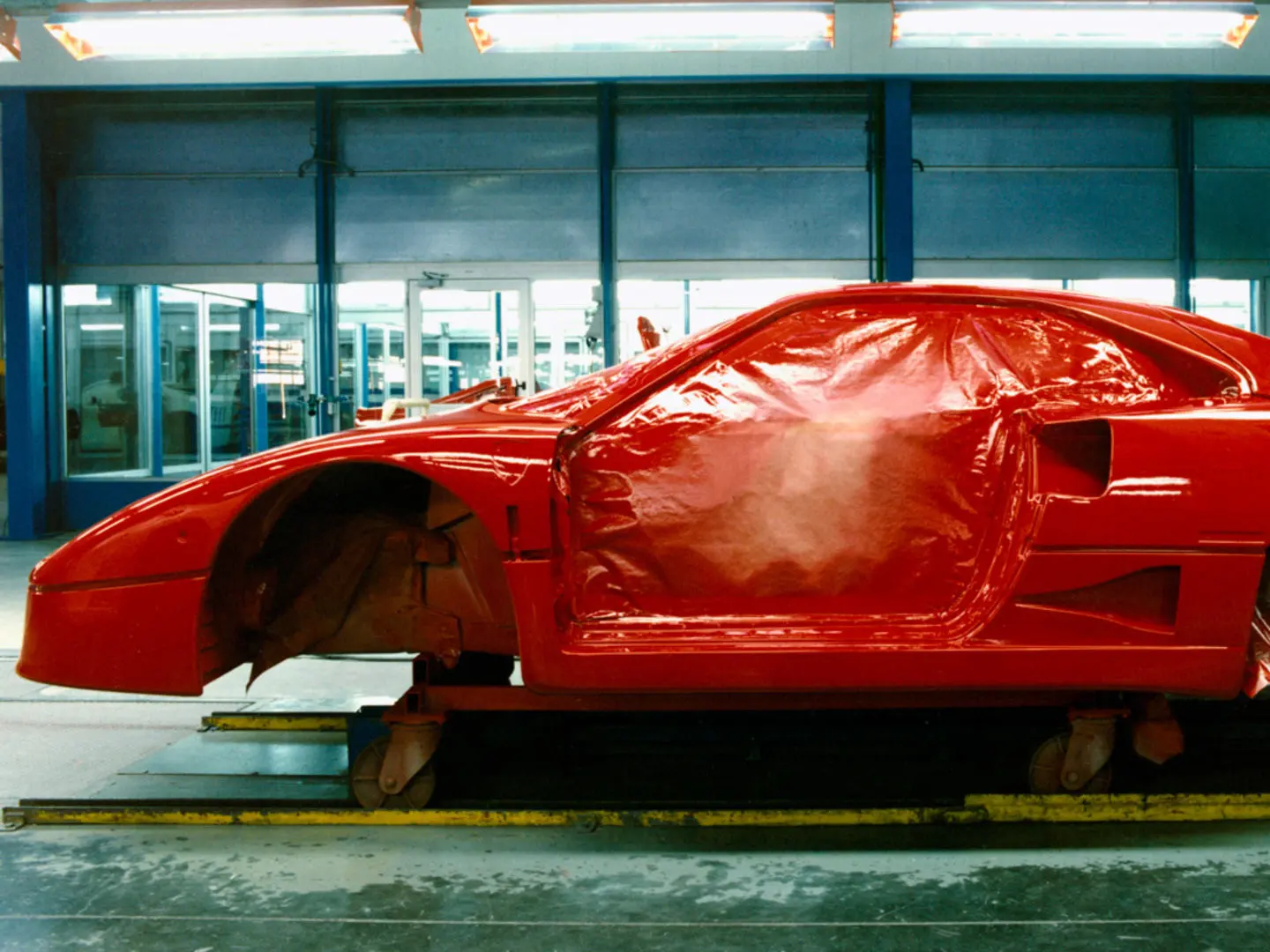
1986 · The order
Eleven months
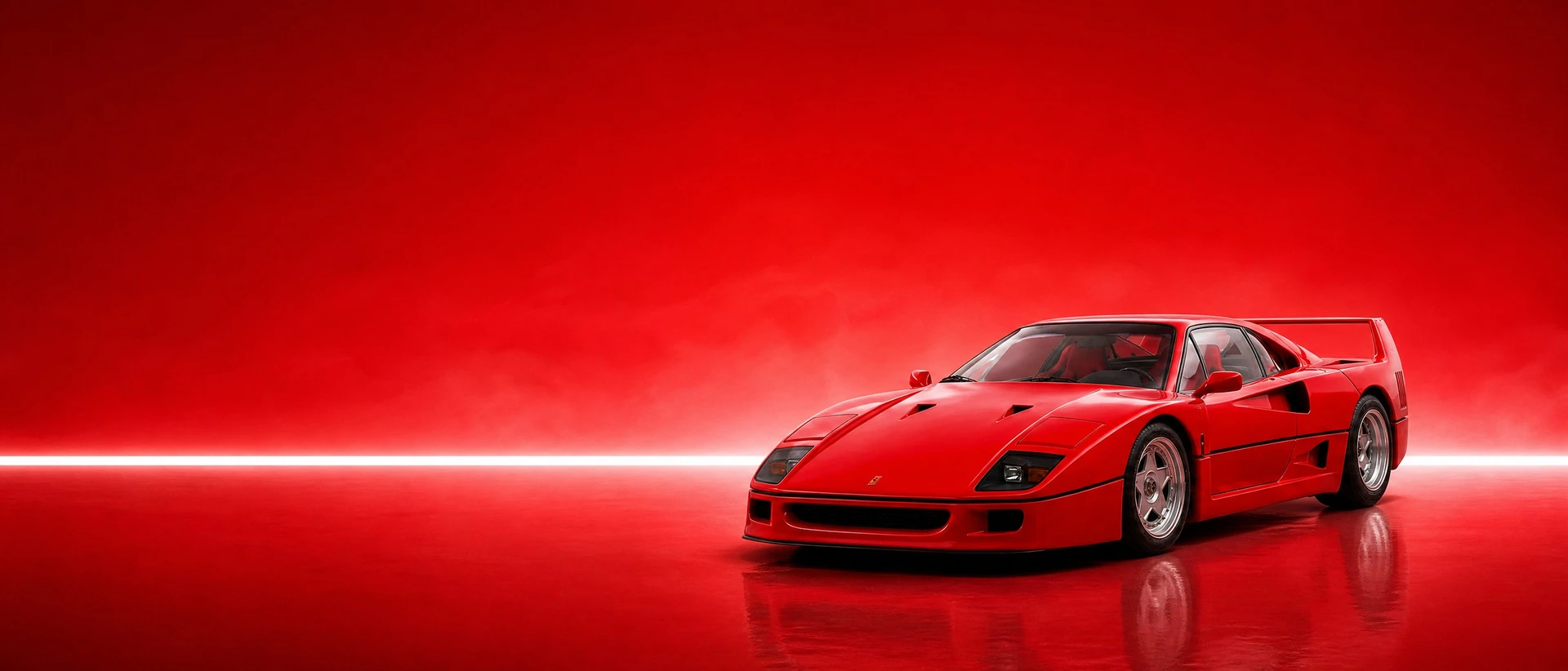
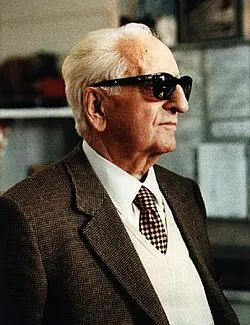
It began as a programme with nowhere left to race. Ferrari held a handful of 288 GTO Evoluzione development cars—five in several chassis accounts, six in Ferrari’s count. When the FIA closed Group B at the end of 1986, they suddenly had no series to run in. Enzo Ferrari, eighty-eight years old, asked his engineers for something else instead. Build a car to be the best in the world, he told them, and build it now.
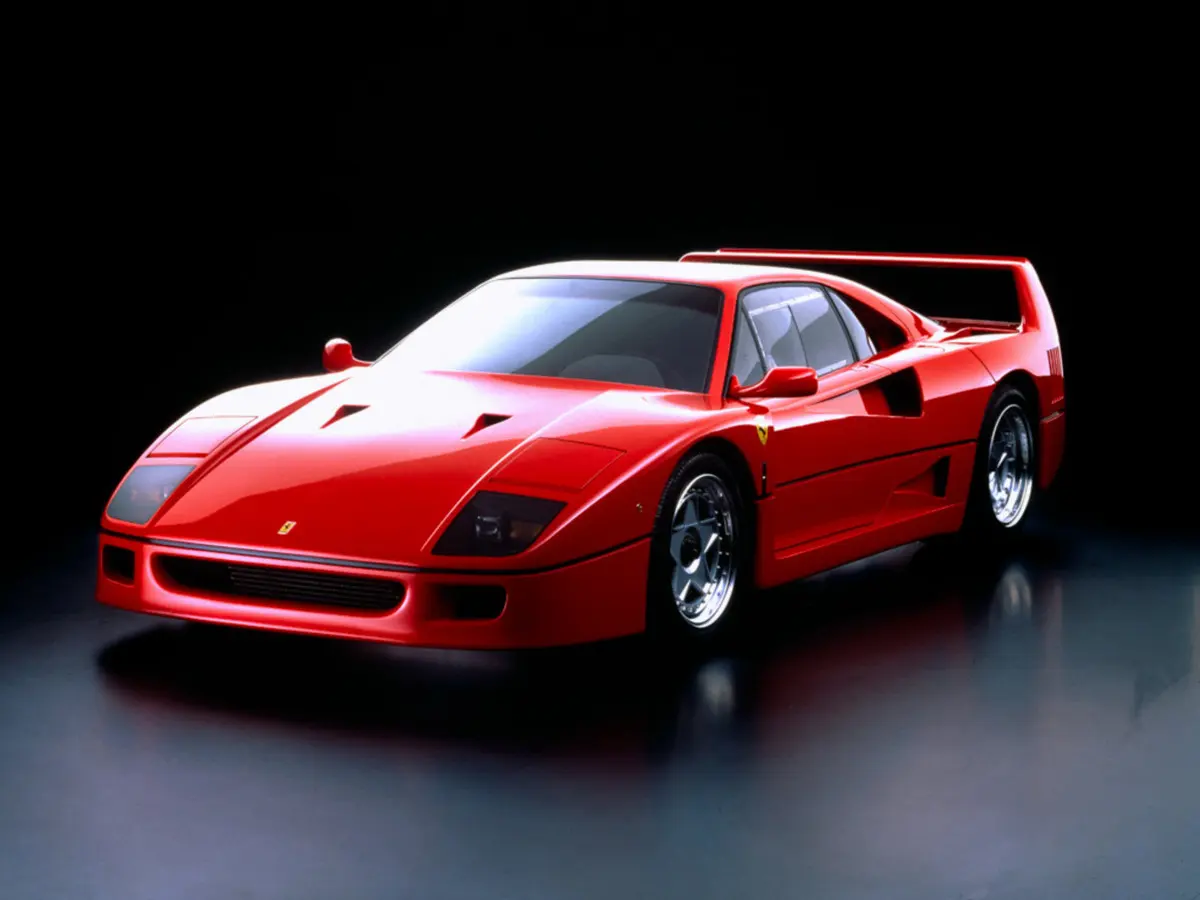
They were given eleven months. Nicola Materazzi brought the turbocharging he had refined on Lancia rally cars; Pininfarina drew the body and pared it in the wind tunnel until nothing on it was decoration. The name was the plainest sentence in the company history: Ferrari, forty years, F40, counted from the first car of 1947.
The hands
The people behind the car
The F40 carries the fingerprints of a small number of people, each of whom had already given Ferrari part of its language.
Nicola Materazzi
Chief engineer
The father of the F40. He carried turbocharging out of Lancia rally cars and aimed it at the road. Enzo gave him eleven months; he returned a car that ran to 324 km/h and asked its driver for nerve, not skill.
Leonardo Fioravanti
Design direction
The hand behind the Daytona, the 308, the 288 GTO. As Pininfarina design director he set the F40 line: nothing styled, the rear wing required rather than drawn. Four decades of Ferraris carry his eye, most of them unsigned.
Pietro Camardella
Body design
Fresh from the Testarossa, he drew the F40 body under Aldo Brovarone. The result hides nothing: NACA ducts, the louvred glass over the V8, the wing that means it. A first major car, and a hard one to follow.
1988
14 August 1988
Enzo Ferrari dies
Thirteen months after the reveal, the Commendatore is gone. Every Ferrari after him would answer to electronics.
The car he personally signed off: a provenance line nothing can replace.
The object
Nothing on it is decoration
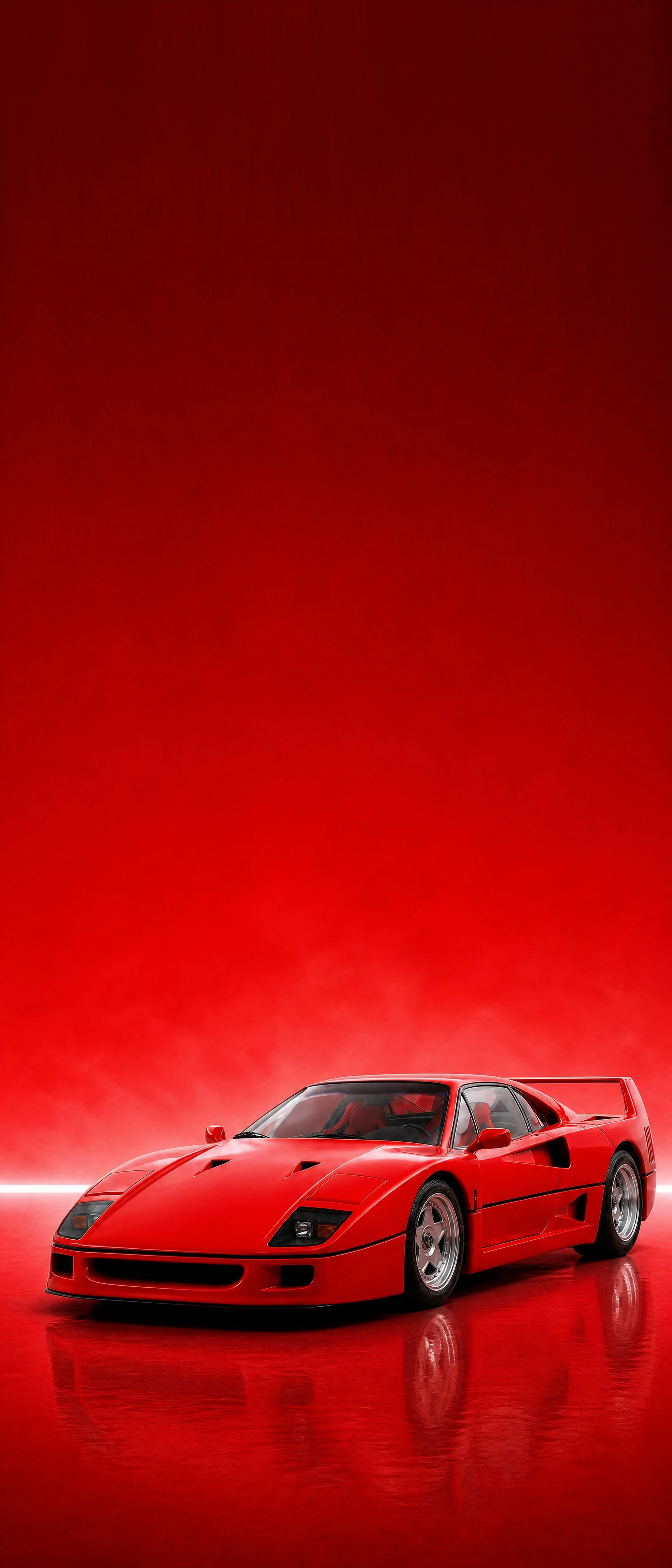
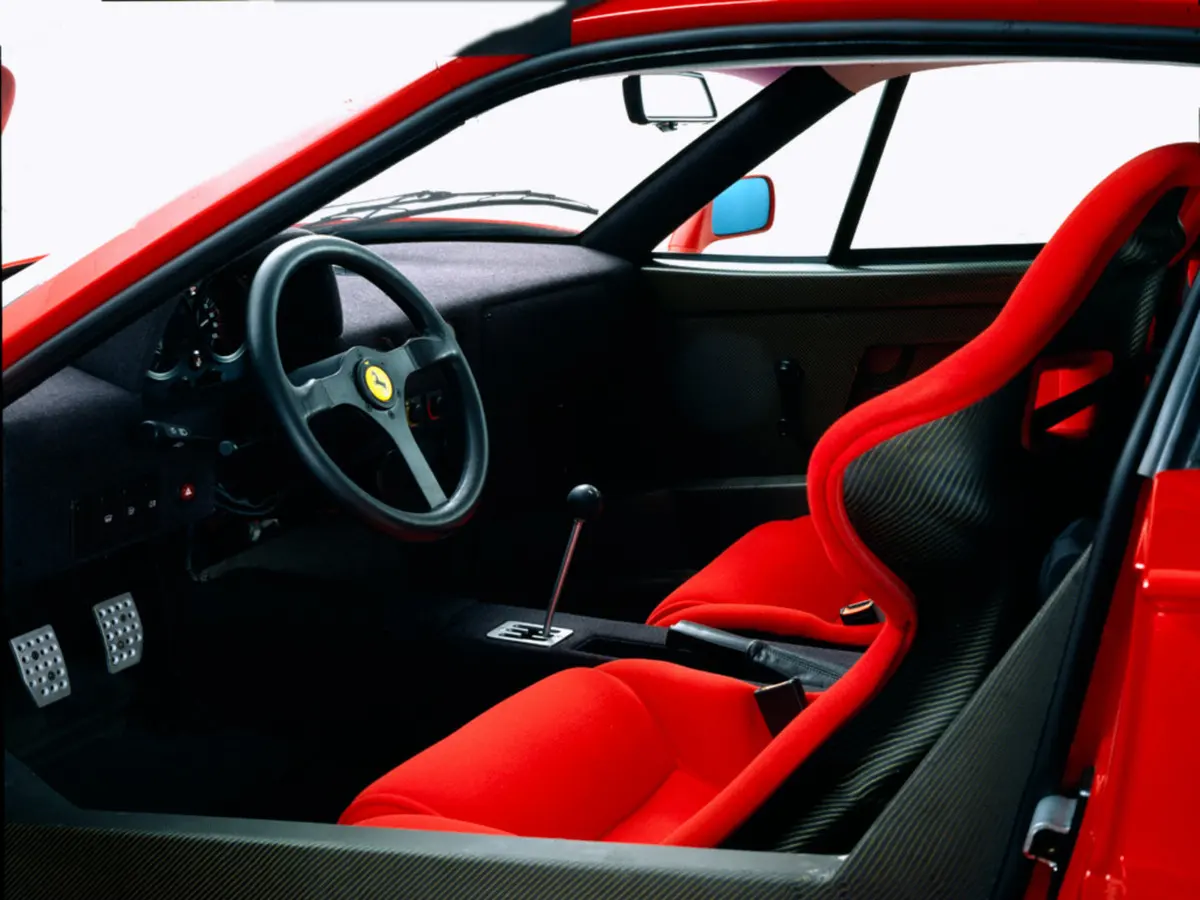
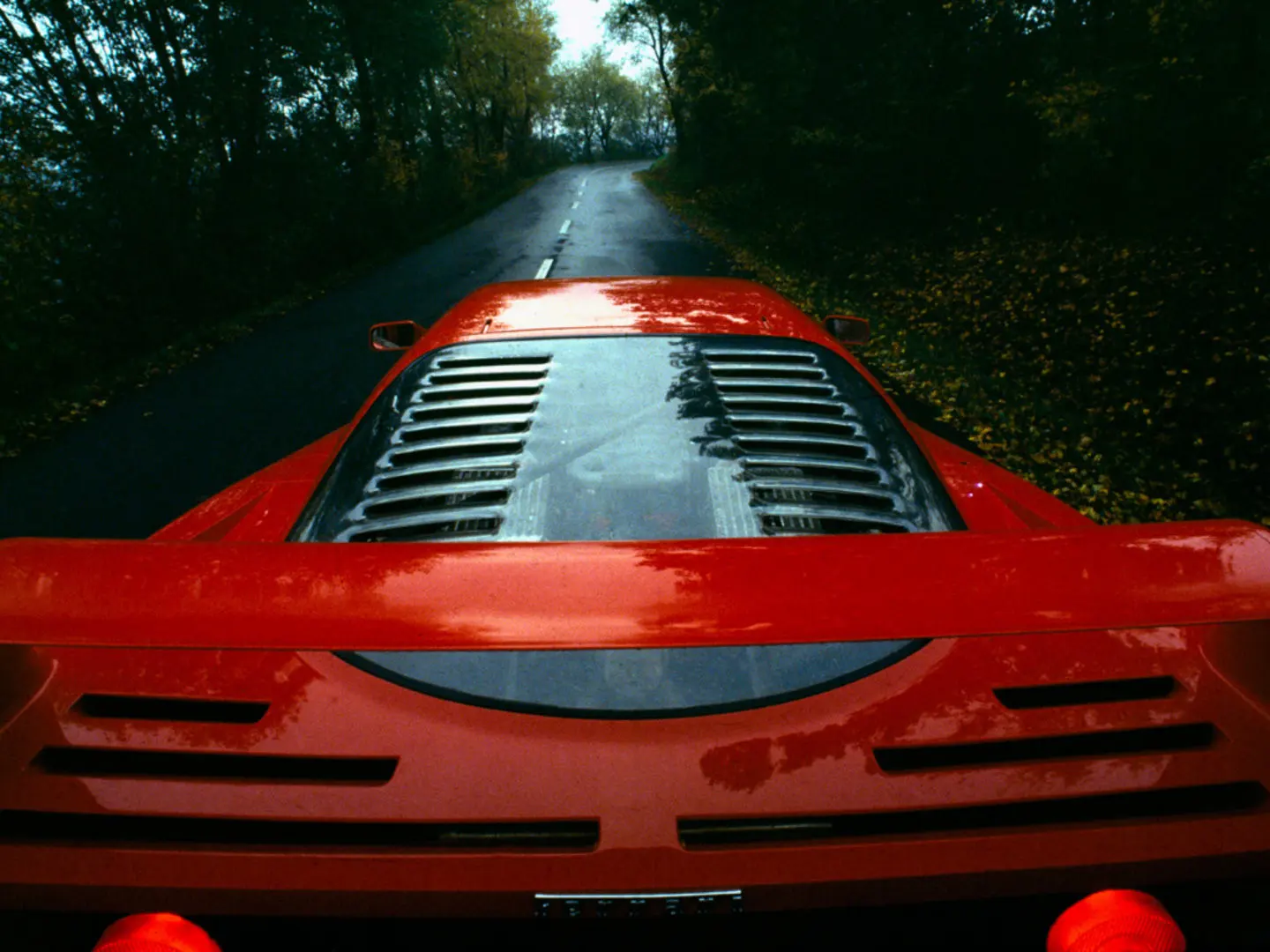
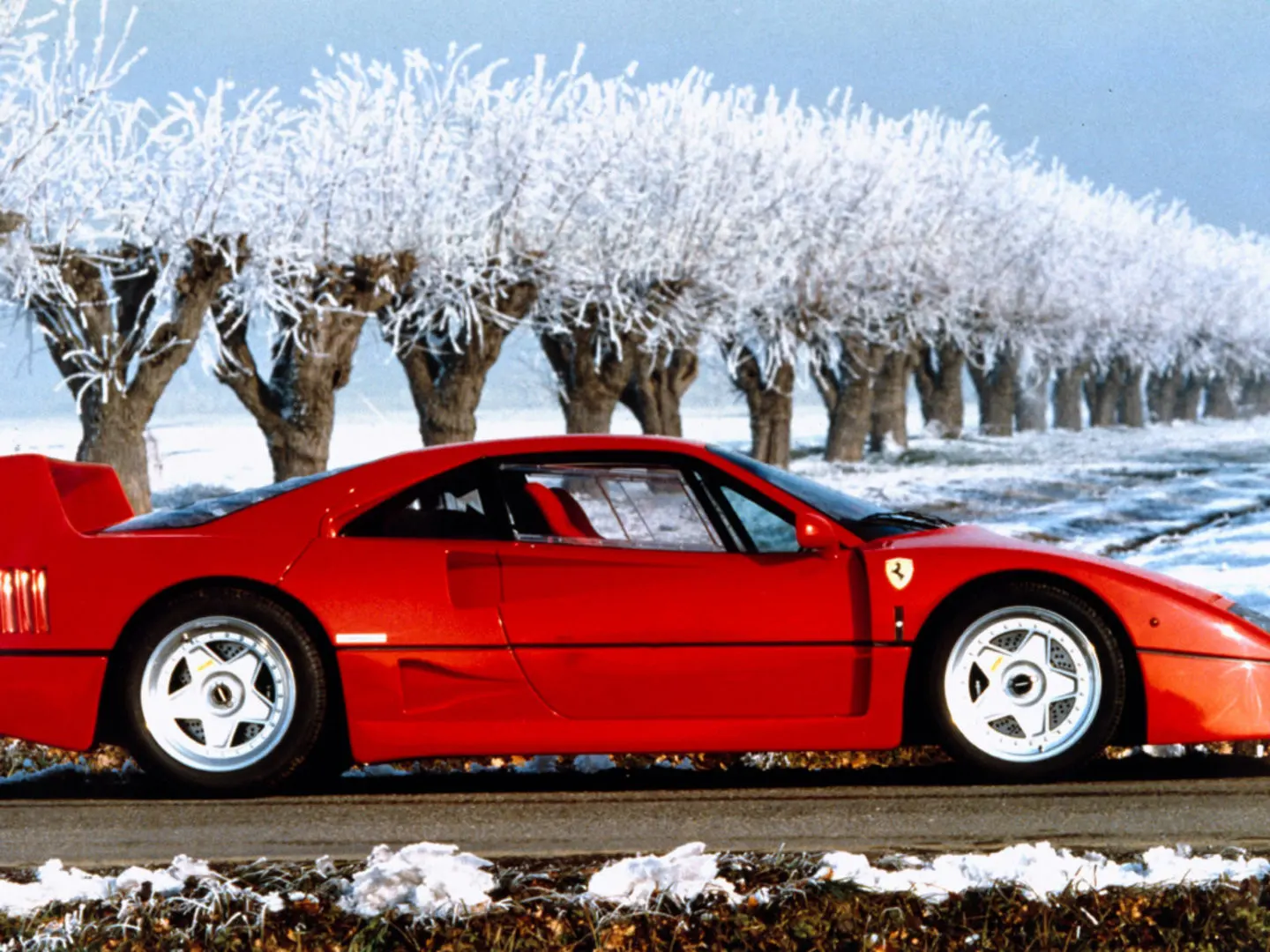
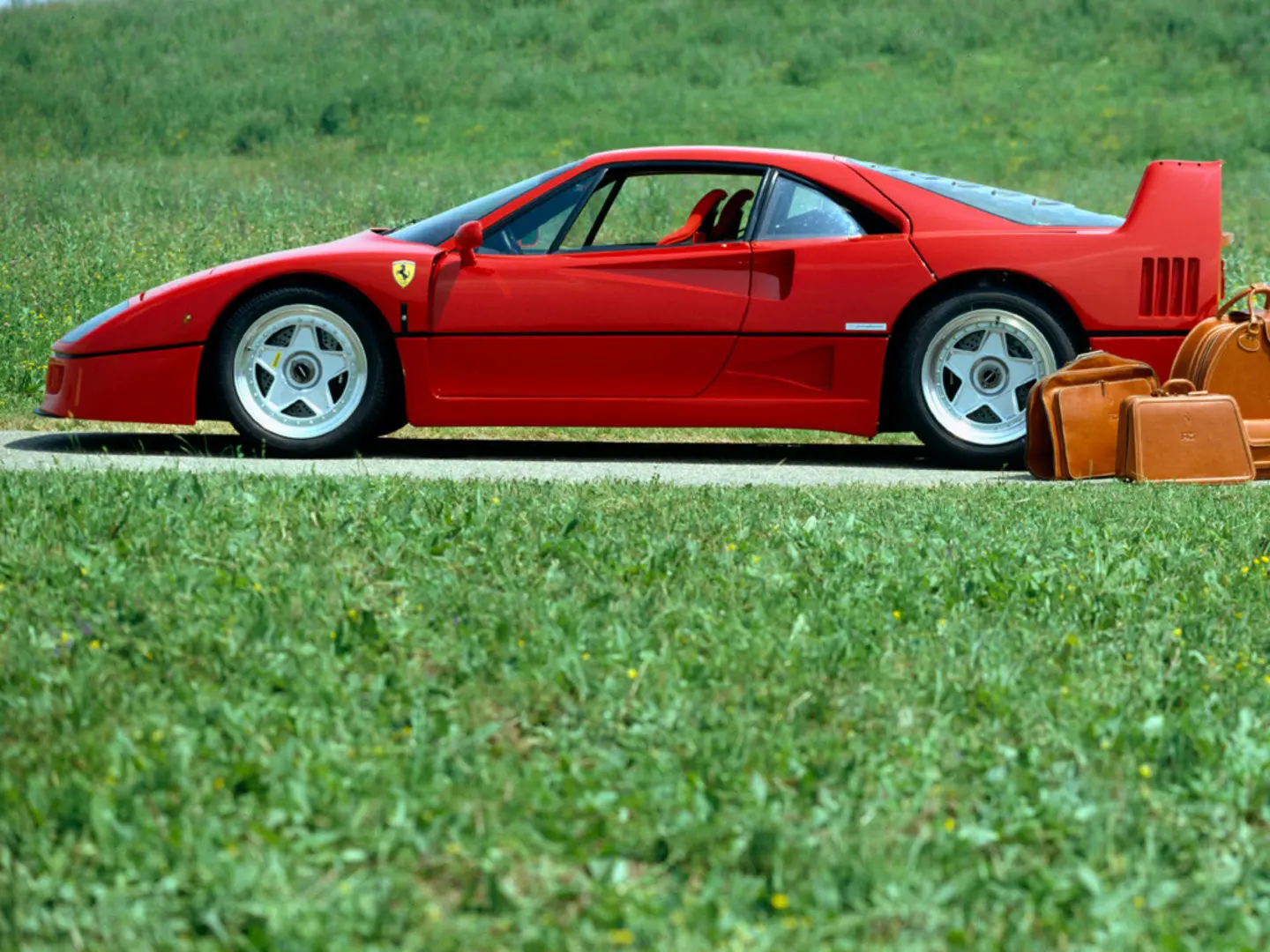
Sit in it before anyone talks about money. There is no carpet, no radio, no servo. The door opens on a cloth strap, the side window is Lexan you can flex with a thumb, and the paint lies so thin that on some cars the weave of the body shows through. None of it is thrift. It is a position: Ferrari built a racing car in 1987 and let it just far enough onto the road to be legal.
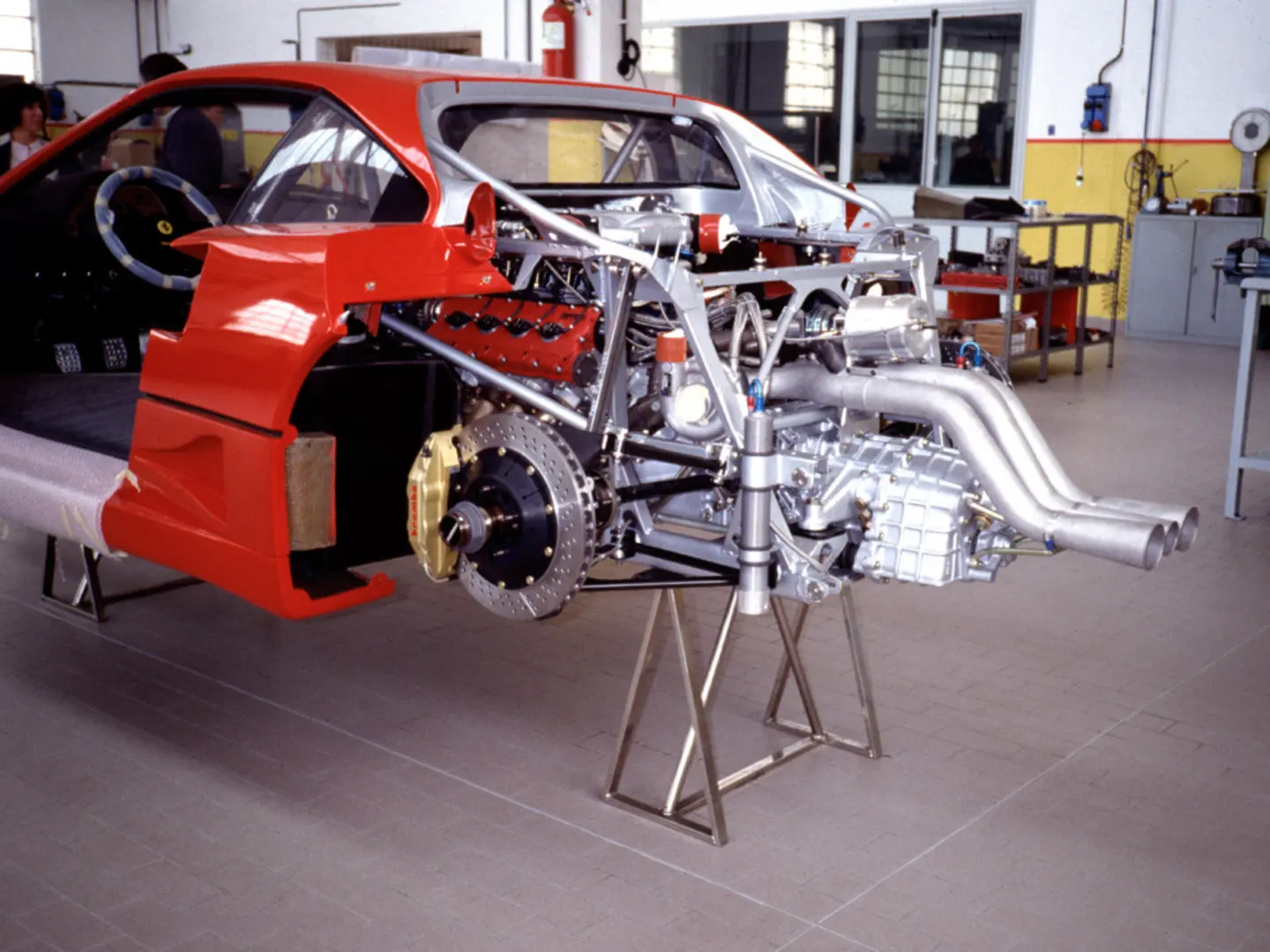
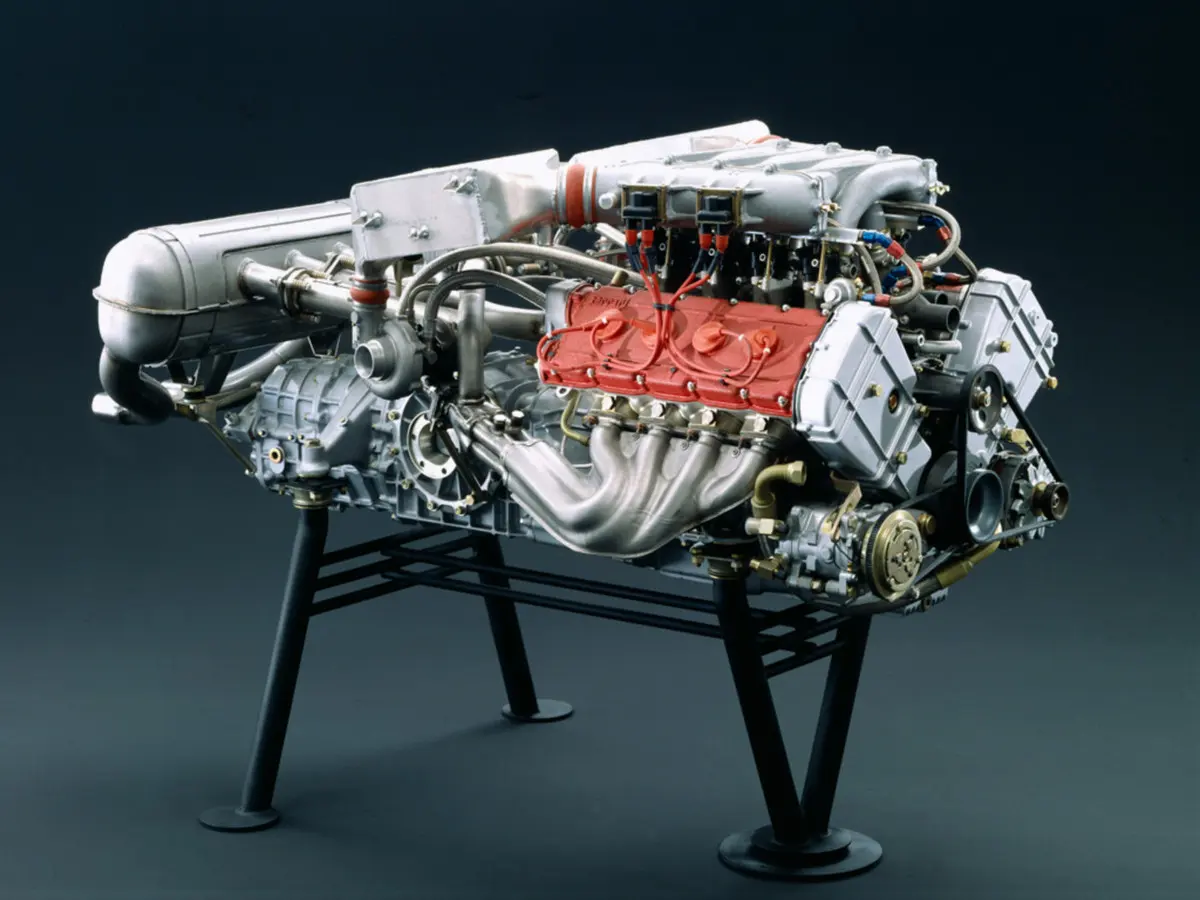
Underneath is a steel tube frame bonded to carbon, Kevlar and aluminium; eleven panels, barely eleven hundred kilograms dry. Behind the louvred glass sits a 2.9-litre V8 with two turbochargers that sulks below 3,500 rpm and then detonates. Four hundred and seventy-eight horsepower, 324 km/h: one of the first road cars to bring two hundred miles an hour within a driver reach, and to ask for nerve in return.
2019
February 2019
The reappraisal begins
An F40 LM takes €4.84M in Paris, the model record at the time. The market starts to read what it owns.
A line under the long undervaluation.
The myth
The last word
It was meant for the Frankfurt show. Ferrari brought the reveal forward to 21 July 1987 in Maranello because Fiat wanted the stage, and Enzo stood in front of the car and said that it was here. Thirteen months later he was gone. Everything that came after him answered to electronics; the F40 was the last that did not.
What happened to it next belongs to the market, and the market lost its head. Before the car was even finished, the people who had ordered one were selling their place in the queue for several times the list price. Then it fell, and for the better part of a decade the most wanted car of its time changed hands as a used Ferrari. Forty years on, it is something else again: the benchmark the rest of the market is measured against.
On the record
Milestones, on a line
The moments that set the F40's standing. Use the arrows, and hover a point to read what happened.
21 July 1987
Unveiled at Maranello
Brought forward from Frankfurt, the F40 is shown at the Civic Centre with Enzo Ferrari standing in front of it.
The last car Enzo presented in his lifetime.
14 August 1988
Enzo Ferrari dies
Thirteen months after the reveal, the Commendatore is gone. Every Ferrari after him would answer to electronics.
The car he personally signed off: a provenance line nothing can replace.
1989
The speculation peak
Before the car is even built, places in the queue change hands for multiples of list. In Germany DM 3.2M is asked; Mansell sells his for about £1M in 1990.
Four to eight times its list price, paid for a car not yet run in.
2006
The bottom
After the bubble burst, the F40 spent over a decade below list. A good car changes hands in England for about £195k.
The most expensive dream of its time, a used Ferrari.
February 2019
The reappraisal begins
An F40 LM takes €4.84M in Paris, the model record at the time. The market starts to read what it owns.
A line under the long undervaluation.
August 2025
All-time record
A 1993 F40 LM by Michelotto takes $11.0M at Monterey, the most ever paid for any F40, though it once crashed hard under its first owner.
Even a damaged history could not hold this one back.
January 2026
Road-car record
A 1992 US car with 458 miles from the Bachman collection takes $6.6M at Kissimmee, the most ever for a standard F40.
Delivery mileage and a clean file at the top of the market.
August 2026
The Iacocca F40
Lee Iacocca's own 1991 F40 — 320 miles from new — takes $8,365,000 at RM Sotheby's Monterey, moving the road-car record up by nearly $1.8M within a season.
Provenance and delivery mileage in one car; the ceiling moves again.